

Twenty-five years after Sept. 11, the generation that answered is still waiting on an answer
By Brian Gilman, Colonel EBS CONTRIBUTOR
Sponsored content
On the morning of April 7, 2004, outside our combat operations center south of Fallujah, one of our platoon commanders handed his patrol overlay to me. Acetate and Sharpie. We talked about whether his platoon was ready. He said they were, in the flat Tennessee drawl he never lost. I approved the plan. I shook his hand. I told him good luck. That was the last time I saw Captain Brent Morel alive.

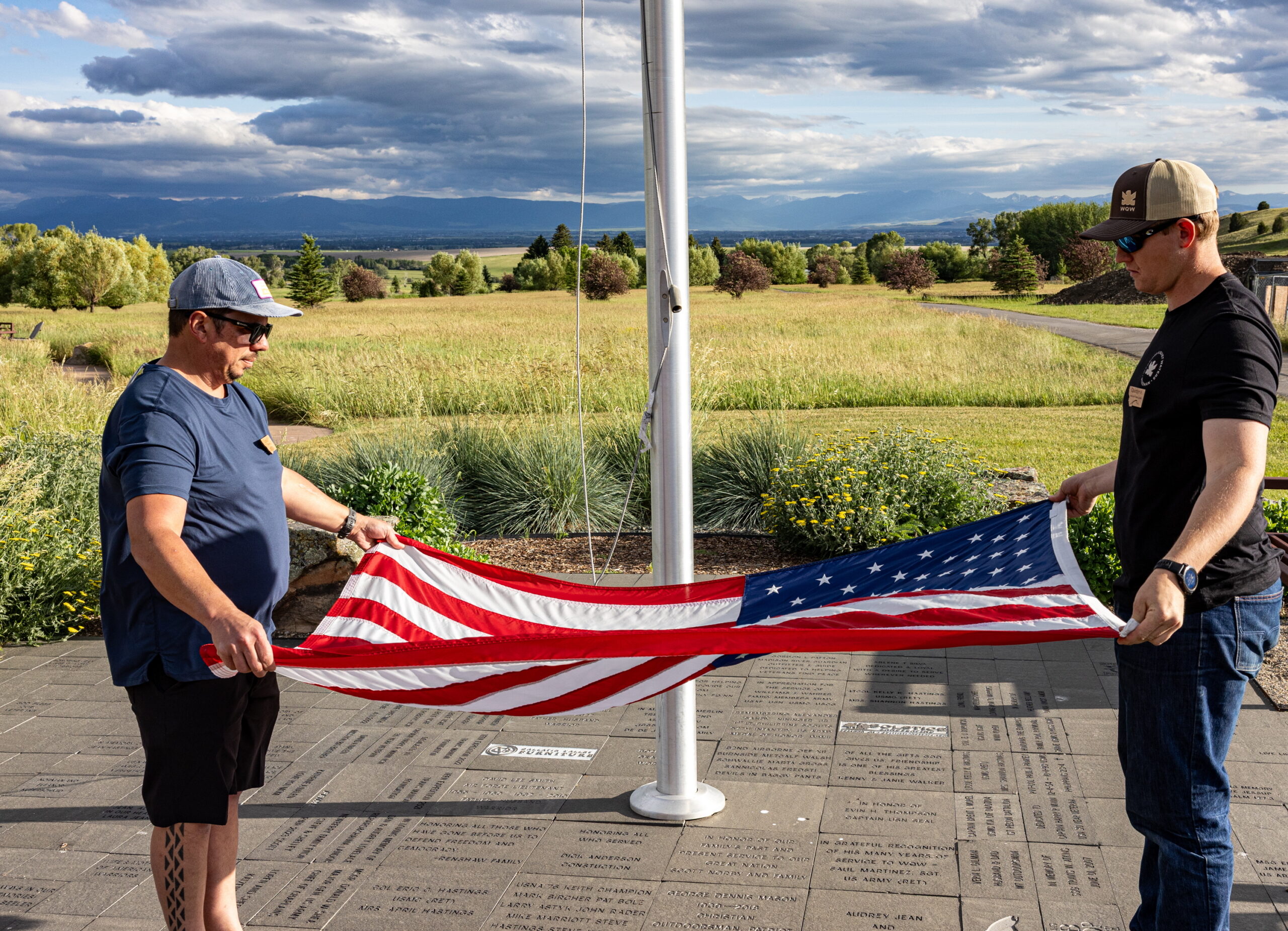
Brent was twenty-seven. He was in Al Anbar because of a Tuesday morning in September of 2001. So was I. So were 2.77 million other Americans across 5.4 million deployments. Most of them raised their hands after they already knew what the job would cost. They went anyway. Every year on this date the country does the same things. Flags at half-staff. Bells. Never forget. Thank you for your service. Those words are not wrong. They are aimed at the wrong morning.

For America, Sept. 11 is a morning. For those of us who fought the wars it started, it is twenty-five years. When Brent’s platoon was ambushed, I went out with the quick reaction force. By the time we reached the site, the light was going long through the smoke off his platoon’s vehicles. Mortars still fell in the next field. His Marines were on the objective, holding ground the enemy had held an hour before.
Brent’s Marines finished the fight standing on the enemy’s ground. That is the standard. I remember thinking they had met it. I did not know yet. Brent had been medevac’d with the critically wounded. It was not until we got back that the battalion executive officer told me he was gone. I put my head in my hands. I said a prayer. Then I walked outside to be alone.
I trained Brent in his qualification course. I recruited him into 1st Reconnaissance Battalion. I planned the operation he was killed on and put my name on it. Twenty-two years later, I can still tell you exactly what that mission was for. So could Brent. We were sent to take the fight to the enemy abroad so they could never do it here again. We did
that. The grander aims belonged to other men. Democracy. A stable region. Four administrations owned those goals, two from each party, and none delivered. I accept that grade. It says nothing about what we did at our level.
What I cannot square is that we quit. We stopped trying to win and walked away from everything we had already paid for in blood, time, and treasure. Iraq did not end. It thinned out. Afghanistan did not end either. It collapsed in eleven days while we watched it on our phones, and thirteen more Americans were killed at an airport gate covering the way out. The bill went to the people who carried the rifles.
Twenty-five years on, the world is not safer. America does not feel more secure. And a country that was never more united than on Sept. 12, 2001 has never felt more divided than it does today. The question is not whether America remembers. America remembers. The harder one we ask in private.
Did it matter?
Brent answered the question with his life. The rest of us are still living inside it. The cost is still being paid, and not mostly by the people you would expect. An estimated 30,177
post-9/11 service members and veterans have died by suicide, against 7,057 killed in war operations. Here is what almost nobody says. In the VA study behind the “22 veteran suicides a day” figure, the average age of the veterans who died was 59. This wound takes decades to open. The Marines who were nineteen years old when they went into Fallujah are in their early forties now.
If that pattern holds, the worst of this is not behind us. It is in front of us. Our sacrifice mattered. Whether it goes on mattering was never Brent’s to settle. He paid the last
full measure, and gave us everything he had or would ever have. Making it matter falls to the living. To you, and to me, because I came home. These men and women do not want to just be remembered. They want to keep mattering, and to build futures as meaningful as their pasts. They already have what that takes. The discipline, the
loyalty, the willingness to put the team ahead of themselves: our families, our communities, and our country need all of it right now.
The federal government will not deliver it. In 2023, 61% of the veterans who died by
suicide had not been seen by VA health care that year or the year before. The system never touched them. What reaches these men and women is community.
Look at where this country actually puts its money. Americans gave $617 billion to charity last year. Education received $92 billion. Military and veterans causes have never cracked one percent of the total. In the most recent year measured, $3.7 billion. That is about $200 a year for every living veteran in America. We are not short on gratitude. We are short on follow-through.
Keep your eyes on this after the flags come down. Find the people doing this work in your community and fund them like you mean it. Not a gesture and not charity. Make an investment in the most capable Americans this country has produced. Twenty-five years ago, they answered.
Make it matter.
Brian Gilman is a retired Marine colonel with four combat tours in Iraq and Afghanistan and the CEO of Warriors & Quiet Waters, which walks alongside post-9/11 combat Warriors in Montana. Captain Brent Morel was posthumously awarded the Navy Cross for his actions on April 7, 2004. Learn more at wqwf.org.