


By Benjamin Alva Polley EBS COLUMNIST
Each year, fisheries departments across Montana and other Western states spend thousands, sometimes millions, of dollars trying to suppress lake trout, also known as mackinaw.
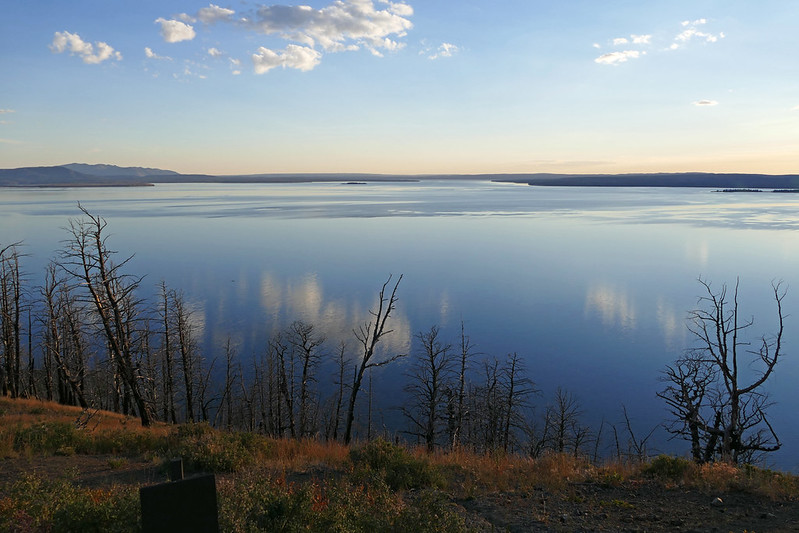
In Yellowstone Lake, lake trout were likely introduced in the 1980s, probably by people rather than through natural dispersal. They are not simply another trout in the system. Native cutthroat trout use shallow water and run into small tributary streams to spawn. Lake trout stay deep and rarely come near shore. They eat cutthroat trout, but their impact is not only about predation. It is also about where they hold the lake’s energy and nutrients.

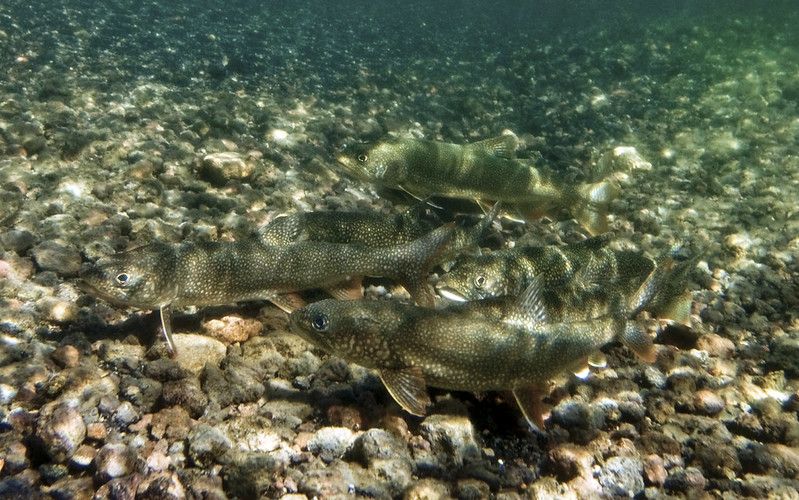
For centuries, cutthroat trout helped move energy out of the lake and across the surrounding landscape. In late spring and early summer, they left deeper water and crowded into shallow areas and tributary streams to spawn. For a brief season, food gathered in narrow ribbons of habitat. Grizzly bears fed heavily near the lake. Otters and mink hunted trout in the shallows. Eagles and ospreys circled above, waiting to snatch fish from the water. Aquatic insects rose and fell with these yearly pulses. Nutrients that began deep in the lake did not stay there; they moved into streams, shorelines and nearby forests as fish dug nests, stirred gravel, spawned and died.
When lake trout numbers exploded, that flow of energy to shorelines and streams began to break down. Cutthroat trout declined by about 90%. Nutrients that once moved annually from nearshore waters into tributaries remained trapped offshore, in deeper water. Energy that had been widely available along shorelines and spawning streams became much harder for animals to reach. Osprey pairs nesting around Yellowstone Lake fell by about 85%, closely tracking the loss of surface-feeding cutthroat trout.
Yellowstone Lake did not stop functioning. It began functioning differently. More energy stayed deep. The ties between the lake and the surrounding land weakened. Bird populations declined, aquatic insect communities shifted, and the physical disturbances created by spawning fish diminished. A system that once pulsed with brief, powerful bursts of activity became flatter, more constant and far less generous to the land around it.
These underwater changes unfolded alongside other, more visible shifts on land. Grizzly bears, often treated as indicators of ecological change in Yellowstone, were facing several pressures at once. As cutthroat trout runs declined, whitebark pine, another high-energy food source, was also being lost across much of the region. Climate change was affecting the abundance of army cutworm moths in high-mountain areas. In an already stressed system, the loss of concentrated energy from cutthroat spawning runs added another serious strain.
Yet this is not the Yellowstone story most people hear.
Lake trout do their work out of sight, in deep water. Their influence is felt mostly as absence: fewer otters, fewer eagles, weaker flows of nutrients from lake to land. There is no single dramatic, picture-perfect moment when everything visibly changes.
This is where the familiar Yellowstone comeback story begins to break down. What we often celebrate as recovery may, in some cases, be a more limited adjustment: an ecosystem reshaping itself within tighter boundaries than before. Yellowstone has been changed again and again. Predators were removed. Grazing animals boomed. Beavers declined. Grizzlies were hunted. Lake trout invaded. Wolves were reintroduced. Food sources shifted with the climate. These changes did not arrive one at a time, and they did not end with any single management action.
Research on Yellowstone Lake shows that the lake has been fundamentally reshaped by lake trout, a major transformation that rarely appears in the park’s popular narratives.
That gap says more about us than it does about ecology. We are drawn to what we can see: the return of a large predator moving across an open landscape. We pay far less attention to what is missing, such as the quiet replacement of native cutthroat trout by a deep-dwelling fish, or the unseen unraveling of links among lakes, streams, forests and wildlife.
Ecosystems are not built only around which species are present. They are built around connections. When those connections change, whether through the collapse of a fish population or the rerouting of energy into deeper water, the effects spread outward in ways that may take decades to notice.
If we cling too tightly to simple comeback stories, we will keep overlooking the quieter truths beneath the surface, in Yellowstone and in many other places.
Benjamin Alva Polley is a place-based storyteller. His words have been published in Rolling Stone, Esquire, Field & Stream, The Guardian, Men’s Journal, Outside, Popular Science, Sierra, and WWF, among other notable outlets, and are available on his website.