

By Jon Trapp EBS COLUMNIST
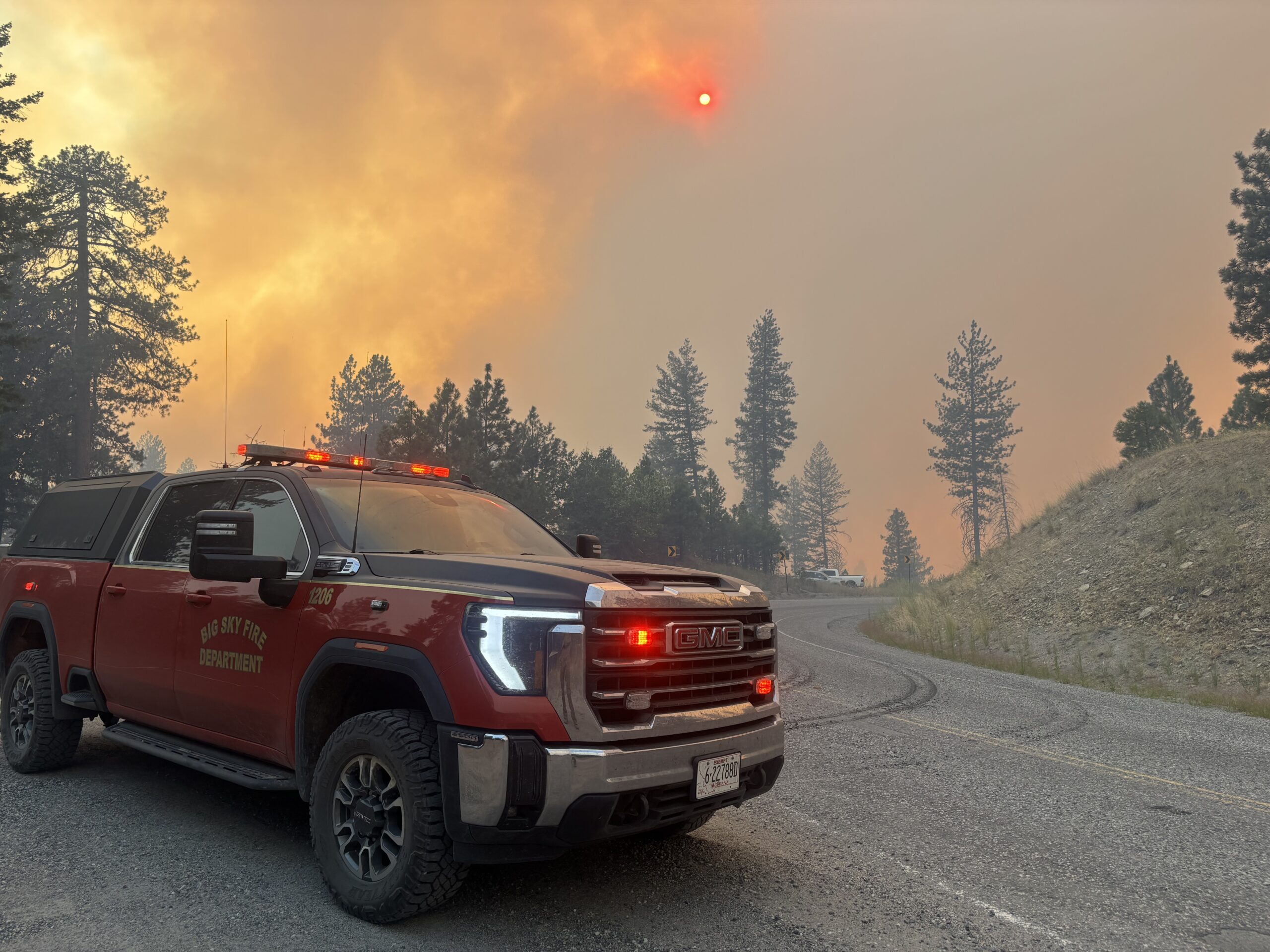
Last month I deployed to help with the Kaiser Canyon Fire, northwest of Spokane. As I arrived at the incident, which is over 138,000 acres, I saw firefighters working hard and people frantically trying to save their homes. Some private citizens with bulldozers were scraping out lines around homes, hoping that would stop the approaching fire. Still, 23 homes burned.
Shortly after I returned to Big Sky, the Old Trails Fire started near Spokane. We all watched the news and social media as the devastation unfolded. Over 1,300 structures were destroyed, with 527 of them being residences. I saw one report where a woman spoke through tears, wondering how her neighborhood became engulfed in flames.

At the end of June, we hosted the first Wildfire Film Festival in Big Sky. The free event nearly filled The Waypoint theater. There were many short films on preparedness and wildfire. One of the films featured the fire chief from Spokane, speaking about preparing for wildfire. I know Spokane had a very robust wildfire education program. Yet as wildfires continue to burn through communities in the West, there are still so many people who do not understand the risk.
Many of the homes that burned down in the fires that devastated Spokane, Paradise and Lahaina could have been saved. Not by firefighters, but by the homeowners. What can we do to help those who have not yet lost their homes? How do we reach those who don’t think wildfire preparedness applies to them?
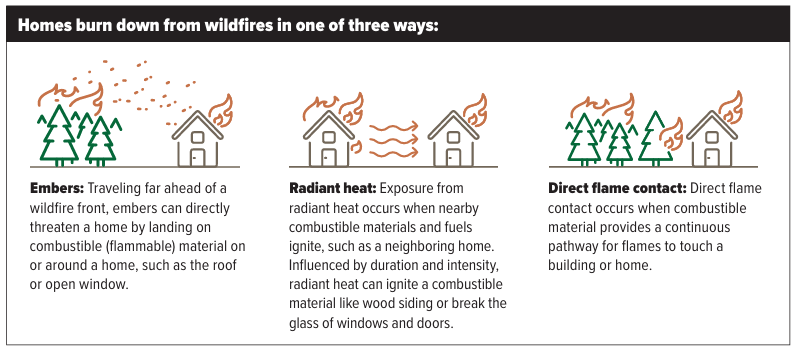
Wildfire is a series of ignitions that are driven by fuels, weather and topography. We know that most homes burn down because airborne embers find a receptive spot to take hold and smolder. Because of this, we know that putting a dozer line around your home isn’t enough to save the structure. Another way a home burns is through direct contact with flames from vegetation or combustible materials next to the structure. And the last way homes catch on fire is due to radiant heat from fires burning within 30 feet of the home.
Fire Adapted Big Sky is a local group of Big Sky Fire Department, Gallatin County Sheriff’s Office, private, county, state and federal partners who recently updated the Big Sky Wildfire Action Guide. Hard copy versions of the guide are being distributed at places like the farmers market and the fire department. Online versions can be found on the fire department’s website and FABS’ webpage.
The guide also describes the “Ready, Set Go!” Program and how to sign up for alerts. With all the fires burning around the region, everyone should be ready. For more information visit the Big Sky Fire Department and FABS websites.