
By Dave Zinn EBS COLUMNIST
Where are my gloves? What do I need for a day in the backcountry? Shoot! I almost forgot my boots in that flailing, lost feeling while trying to pack for the season’s first day of skiing or riding. February and March’s automatic actions seem impossibly time-consuming and challenging in the first days of winter. Like packing for those first winter days, our avalanche skills atrophy during the summer months. Pre-season beacon drills go a long way toward brushing the dust off, but planning to take an avalanche course to learn the basics or enhance your avalanche skills is even better.
An abundance of incredible commercial providers offer a series of recreational and professional track avalanche classes locally and throughout the state. Providers offer both motorized and non-motorized programs focusing on critical skills for safe travel in and around avalanche terrain, including interpreting regional avalanche forecasts, developing appropriate travel plans based on that forecast, identifying terrain where avalanches may occur using maps and in the field, evaluating snowpack stability and enacting an avalanche rescue should an accident occur.

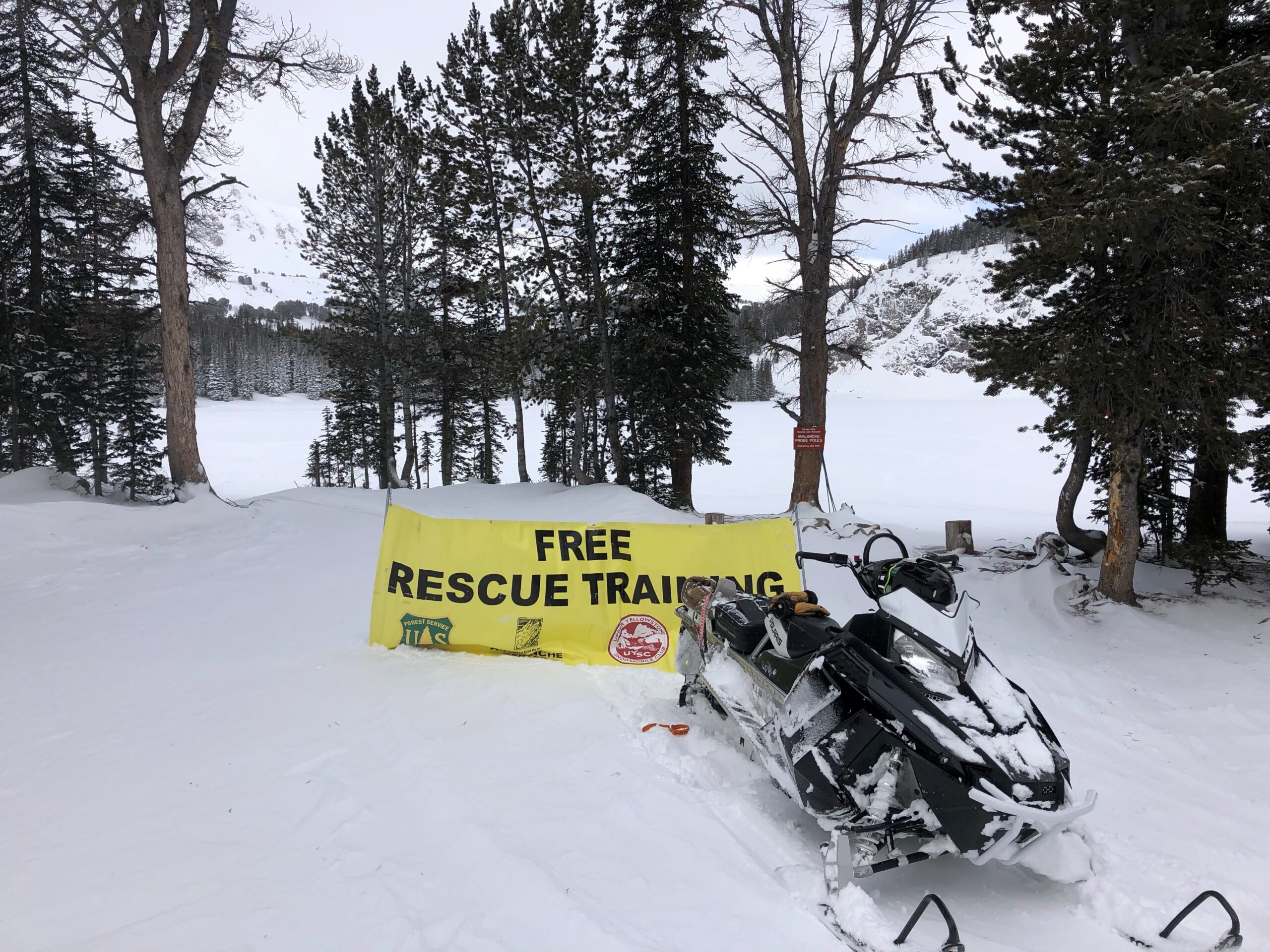
The nonprofit partner of the Gallatin National Forest Avalanche Center, the Friends of the Avalanche Center offers over 100 free and low-cost avalanche classes each winter to thousands of participants. Unlike local commercial providers, the Friends do not offer courses with recreational or professional level certifications, focusing instead on reaching as many people as possible with awareness level education, including the Avalanche Fundamentals Class, Companion Rescue, 1-Hour Know Before You Go and school outreach. These courses will help you understand the basics (which may be enough for you) and serve as a stepping stone for more in-depth courses.
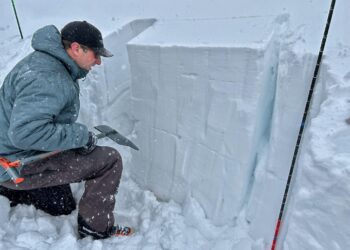
The Avalanche Fundamentals program is an excellent starting point, offering both classroom and in-the-field learning. The classroom days feature discussions about avalanche terrain, mountain weather and snowpack, backcountry decision-making and avalanche rescue. During the accompanying field day on snowmobiles or skis, participants get hands-on practice. For several of the Gallatin National Forest Avalanche Center forecasters, including me, Avalanche Fundamentals was our first formal avalanche training!
If you invested time and energy leveling up your avalanche education last season and are taking this season off before reengaging next year, refresh your skills with informal practice sessions. Beacon drills are low-hanging fruit. Gather backcountry partners and bury a beacon or two in the snow or leaf piles, and re-familiarize yourself with your rescue equipment. Every avalanche professional in the region is doing the same thing. Regardless of how many times you have practiced in the past, ensuring seamless use and deployment of your gear saves lives when seconds matter.
In the same way that we need to relearn how to pack for a day in the mountains each season, we also need to brush the dust off our avalanche skills and find a way to level up this season. A quick trip to the Gallatin National Forest Avalanche Center education pages will connect you to online learning resources, recreational and professional level certification courses and abundant free and low-cost avalanche training from the Friends of the Avalanche Center. Visit mtavalanche.com/workshops/calendar for more information and to register for programs.
Dave Zinn is an avalanche forecaster wit the Gallatin National forest Avalanche Center.