


By Fischer Genau DIGITAL MEDIA LEAD
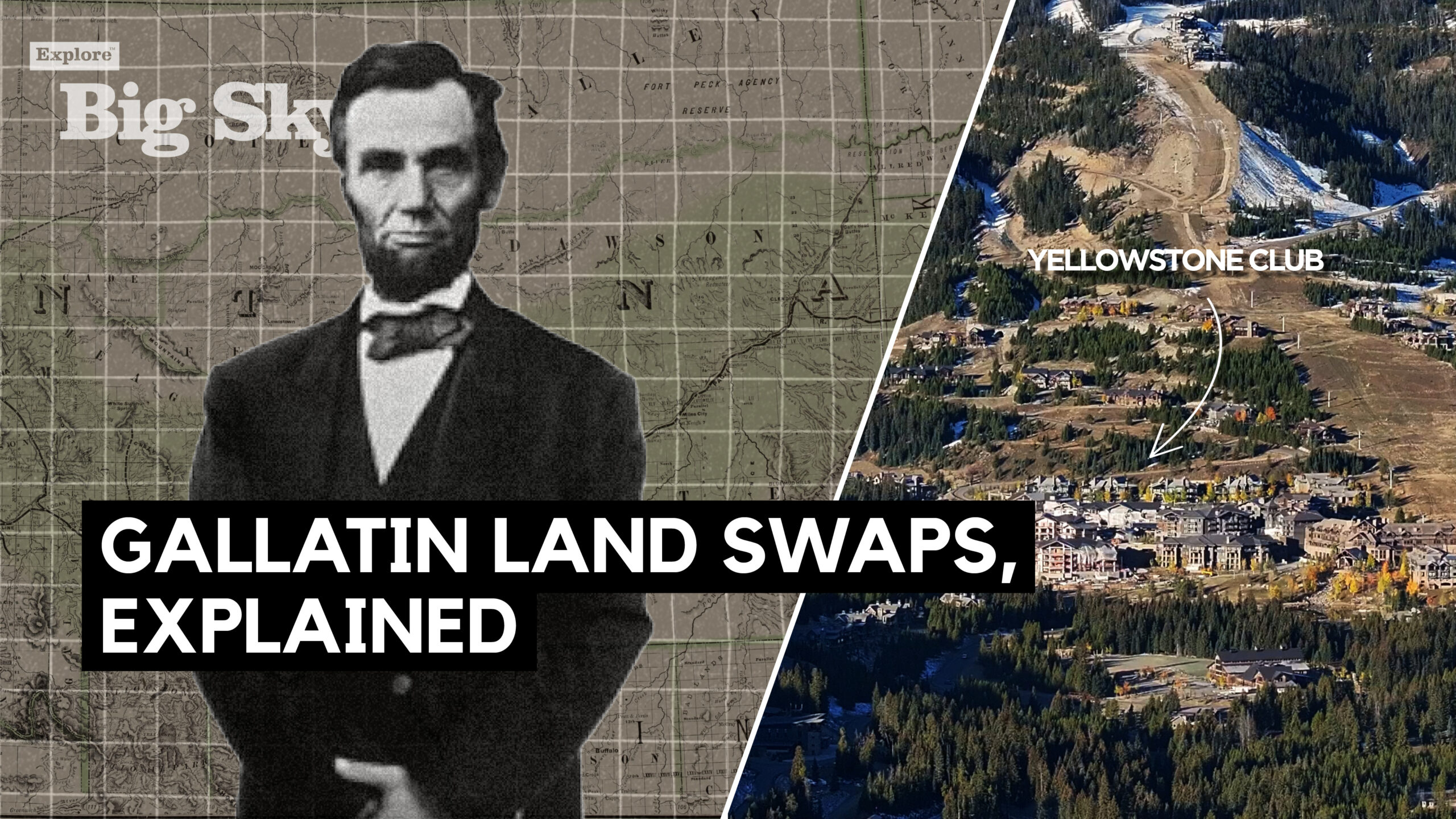
EBS Explains is a new YouTube series produced by Outlaw Partners that dives deep into a broad range of topics touching Big Sky and southwest Montana. Watch our explainer video about the Gallatin land swaps, and subscribe to our YouTube channelto stay up to date on new videos and releases.
At a hearing in Washington, D.C. on March 23, 1993, Montana representative Pat Williams stood in front of Congress and told them that Montana was facing a “real public lands disaster.”

“I submit that the days of relatively gracious corporate neighbors in and around the Gallatin are over, and increasingly important recreation and watershed and wildlife habitat lands will be subdivided, will be harvested, will be posted off limits, will be sold for private hunting rights, unless this legislation is signed into law by this spring,” Williams said.
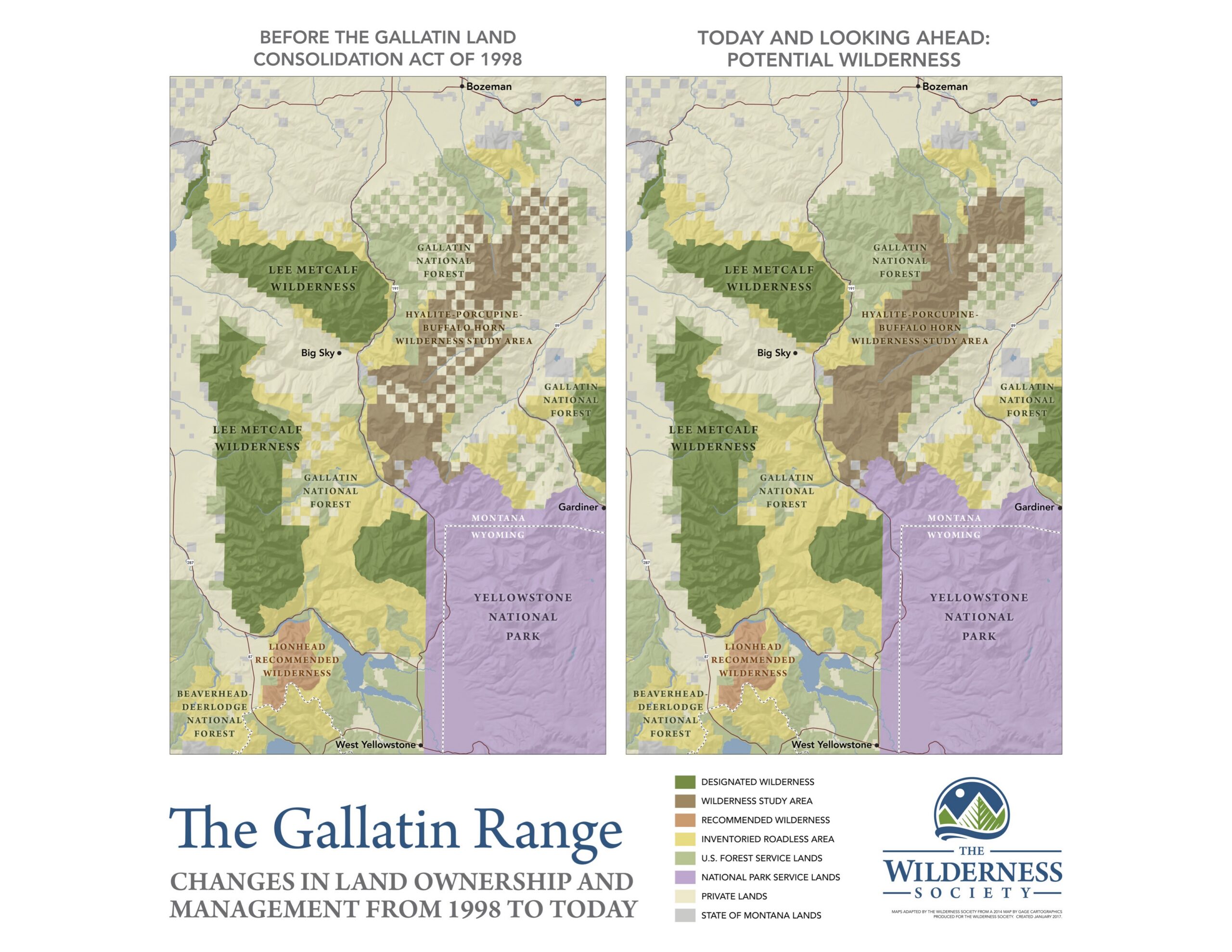
He was talking about the land immediately surrounding Big Sky, which had remained wild but was in danger of development, due to its odd checkerboard pattern of ownership that left wildlife habitat hopelessly intermingled with private land. Williams’ plea was heeded, and in 1993, the Gallatin Range Consolidation and Protection Act was signed into law, followed by another act in 1998. Together, these two pieces of legislation swapped a smattering of lands between the U.S. Forest Service and Big Sky Lumber Company in the Bridgers, Bangtails, Gallatins, and the Flathead and Lolo national forests for 101,000 acres of formerly checkerboarded lands, uniting wildlife habitat in the region.
This episode had lasting consequences for the future of both public land and private lands in Big Sky, and it’s a story that began almost 200 years ago.
Gallatin land swap timeline
1864
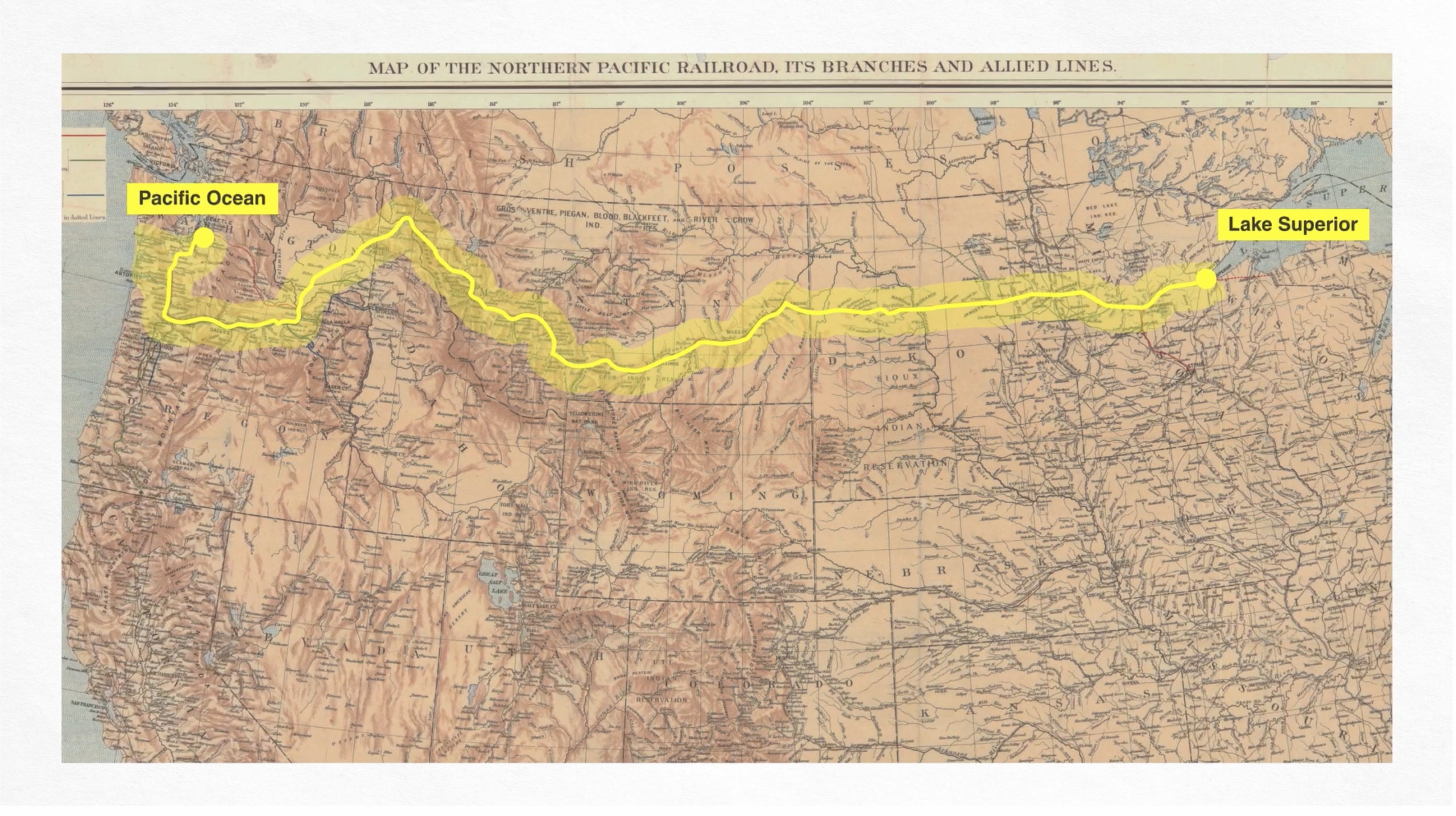
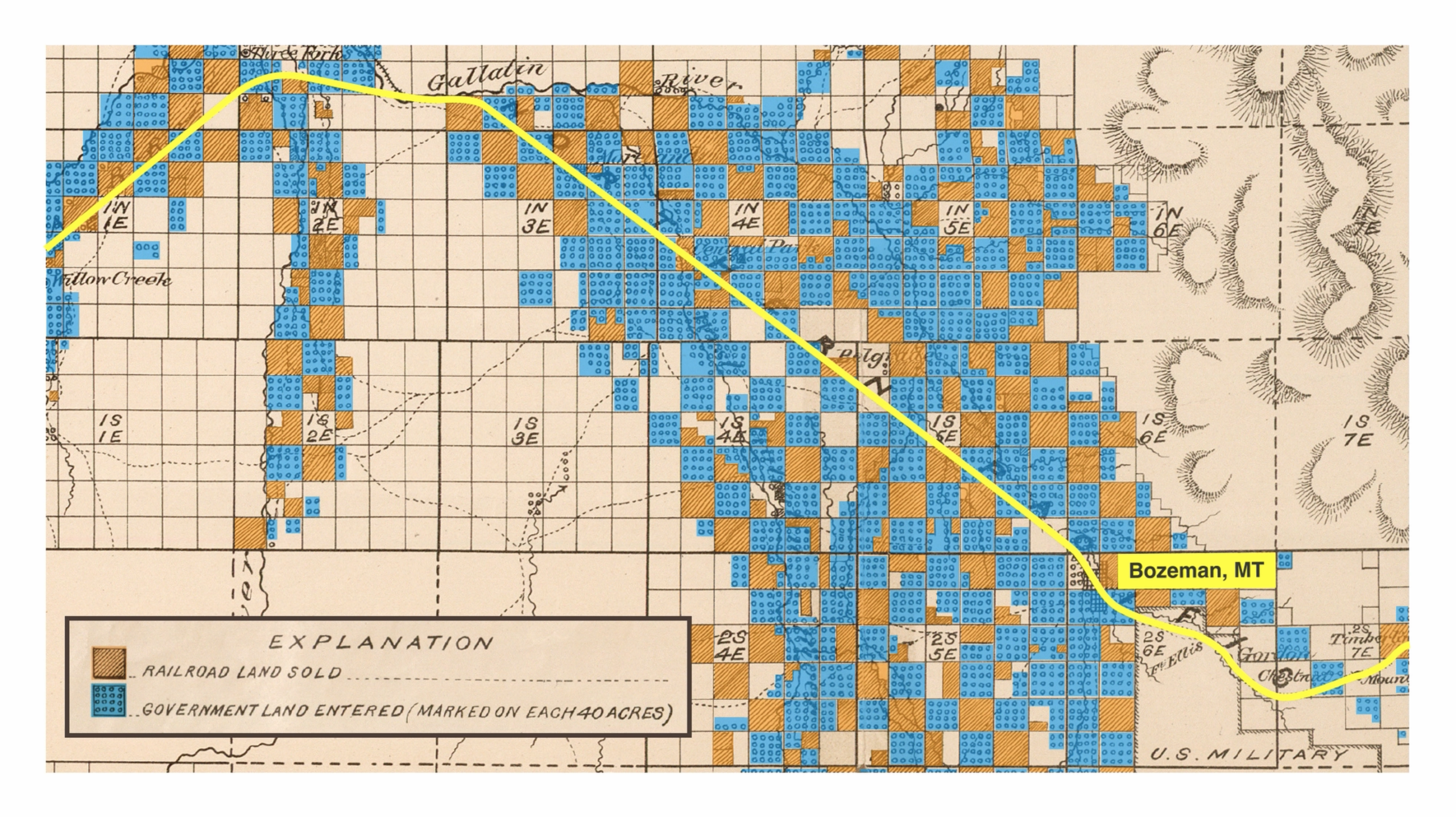
Abraham Lincoln signs the Northern Pacific Railroad Charter, giving the Northern Pacific Railroad Company 40 million acres of land in alternating 1-mile squares. This creates a checkerboard pattern of ownership along the new route from Lake Superior to the Pacific Ocean, which cuts all the way across Montana.
1977
The Hyalite Porcupine-Buffalo Horn Wilderness Study Area is established, temporarily protecting the Gallatin Range.
1991
Entrepreneur and developer Tim Blixseth purchases 146,000 acres of land in the Gallatin Range from the Plum Creek Timber Company for $27.5 million.
1993
Montana representative Pat Williams helps pass the Gallatin Range Consolidation and Protection Act, also known as Gallatin I.
1998
The U.S. Senate passes the Gallatin Land Consolidation Act of 1998, or Gallatin II. Together, these two acts gave the Gallatin Forest Service 101,000 acres of land spanning the Gallatin National Forest and Hyalite-Porcupine Buffalo Horn Wilderness Study Area, while the Blixseth’s Big Sky Lumber received a smattering of accessible, timber-rich land including a 15,200-acre parcel of land southwest of Big Sky. This mostly solved the checkerboard problem in the region and finally united wildlife habitat in the Gallatin Range.
1997
Blixseth begins construction on the Yellowstone Club in the 15,200-acre parcel obtained in the swap.
2008
After a decade of success, the Yellowstone Club files for bankruptcy during the Great Recession.
2009
CrossHarbor Capital Partners, a Boston-based private equity firm, buys the Yellowstone Club out of bankruptcy and continues operations.
2026
The Yellowstone Club continues to grow in stature and reputation. Its nearly 900 members are worth around $290 billion, and it’s attracted everyone from CEOs and tech founders to pro athletes and movie stars, bringing new business and attention to southwest Montana.