
By Carli Johnson SOCIAL MEDIA COORDINATOR
Each fall, Yellowstone National Park settles into a quieter rhythm as summer crowds disperse and the landscape shifts toward winter. Roads and campgrounds begin to close, seasonal workers leave the park and surrounding gateway towns, and wildlife begins preparing for long, cold winter months ahead.
Although Yellowstone saw near-record visitation this summer, it didn’t surpass the all-time high set in 2021. By early November, most interior roads close to vehicle traffic, leaving only the northern corridor between Gardiner and Cooke City open year-round. Luckily, this stretch offers some of the best off-season wildlife viewing in the park.

Autumn wildlife activity peaks in September and October. Wolves become more visible as they hunt intensely before winter settles in. Bears enter the pre-hibernation phase called hyperphagia, when their appetite increases, and they are driven to forage constantly to build fat reserves for hibernation. Meanwhile, bison, elk and other ungulates continue their fall rut, and visitors can hear bugles, grunts and clashes as they compete for mates.
Even in summer, Lamar Valley is a top destination for wildlife watchers, but as the park grows quieter, its magic becomes even more serene. With fewer cars on the road and more wildlife activity, the shoulder season gives visitors rare access to one of Yellowstone’s most vibrant ecosystems.
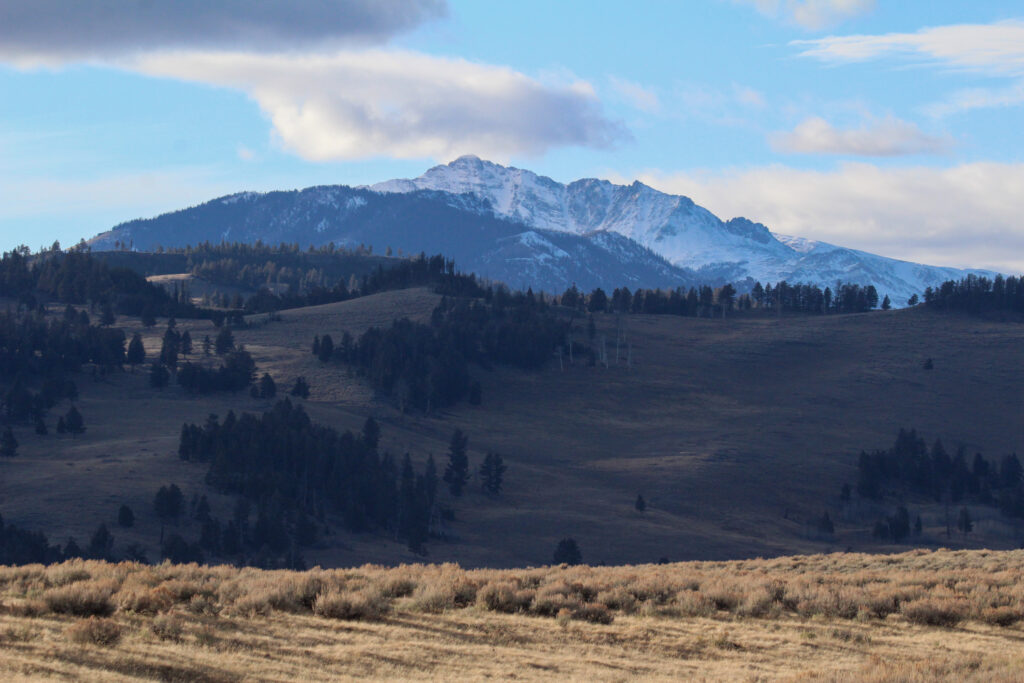
Electric Peak in Yellowstone National Park. PHOTO BY CARLI JOHNSON 
Bison graze in Yellowstone National Park. PHOTO BY CARLI JOHNSON 
Bison graze in Yellowstone National Park. PHOTO BY CARLI JOHNSON 
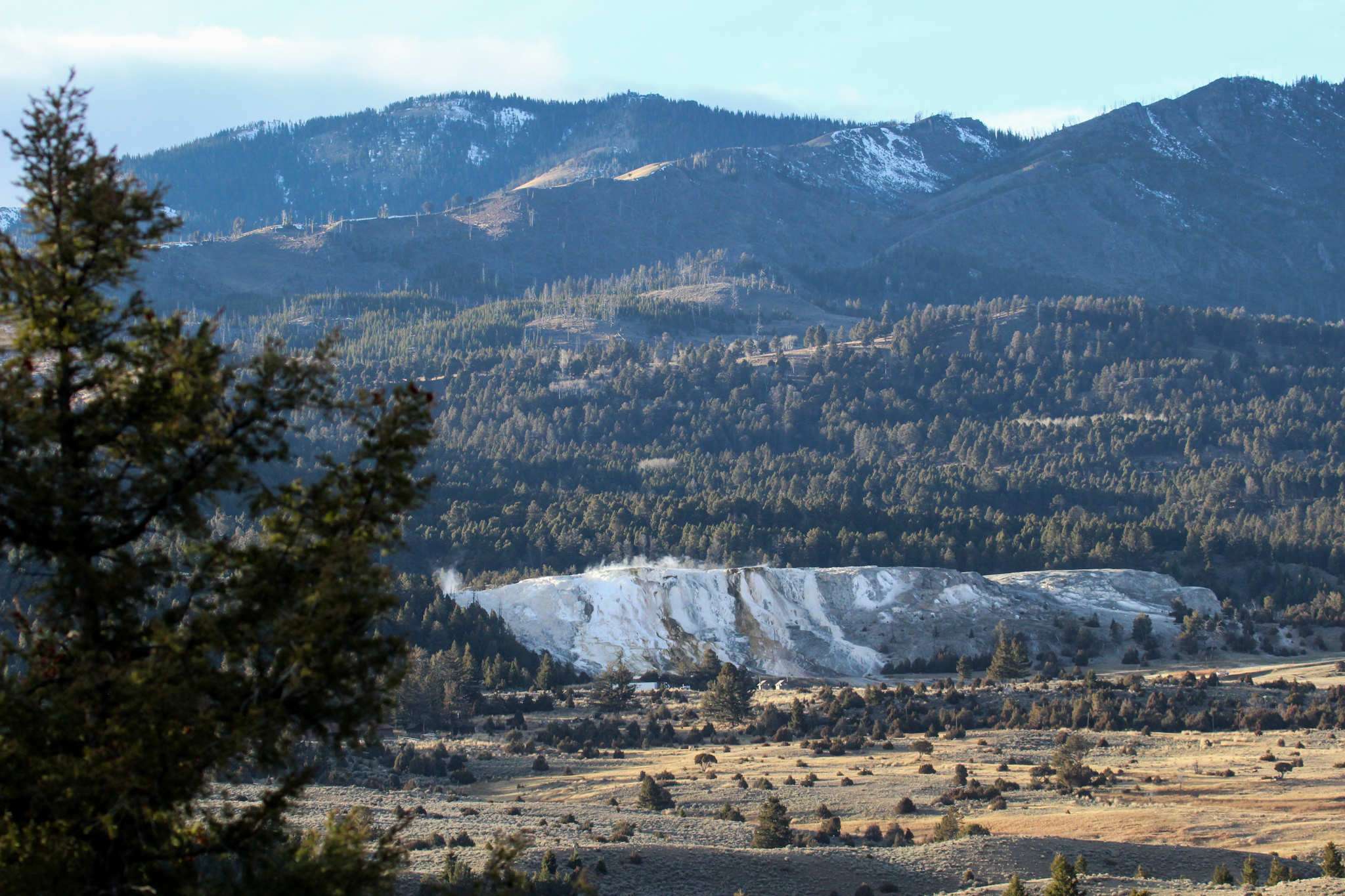
Yellowstone National Park. PHOTO BY CARLI JOHNSON 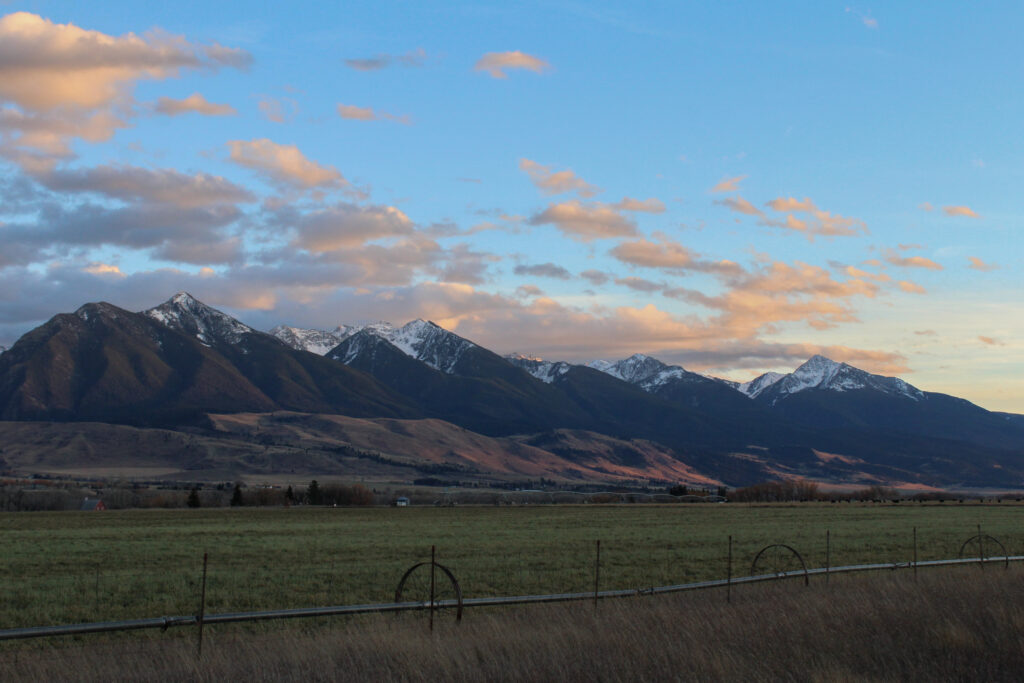
The Absaroka-Beartooth mountains in Paradise Valley. PHOTO BY CARLI JOHNSON 
Emigrant Peak in Paradise Valley. PHOTO BY CARLI JOHNSON