



Monopoly not offsetting bills with market sales as projected
By Keila Szpaller DAILY MONTANAN
Your power bill is slated to go up again if you’re a NorthWestern Energy customer.
On July 1, the average electricity bill for a residential customer is hitting $131, up from $124.34 in May, according to data from the utility.

Just four years ago, the average for one month was still less than $100 — $91.27.
The monopoly utility filed the rate increase with the Montana Public Service Commission on June 3 as a quarterly adjustment of variable costs, such as fuel.
The increase comes in the midst of inflation, concerns data centers will jack up rates even more, and a pause by the PSC on a cost-sharing tool that used to mean savings at times for customers.
NorthWestern Energy spokesperson Jo Dee Black said the utility’s rates remain “below the national average electric rate,” and its system is more reliable.
“Affordability is a top concern for our Montana customers, who also expect and need reliable service that is sustainable,” Black said in an email. “It’s central in how we operate and invest.”
But conservation watchdog Montana Environmental Information Center said the rates don’t need to be as high as they are.
Nick Fitzmaurice, with the Montana Environmental Information Center, said the rate increase comes following two other rate increases approved by the PSC in the past several years, and before the most recent case is even fully settled.
The new rate is 44% more than rates in August 2022, the utility’s previous rate case, MEIC said.
“It’s outrageous that in the midst of the current affordability crisis, NorthWestern would quietly ratchet up our electricity rates even further,” Fitzmaurice said in an email.
A look at increases in the last 10 months shows much of it coming from ongoing variable costs, such as fuel.
It also shows NorthWestern Energy’s plans to offset costs by selling power on the open market fell far from its goal, and customers may take the hit.
In the last 10 months, NorthWestern expected it would bring in $180.1 million in revenue from market sales, according to MEIC and data from NorthWestern.
But it only brought in $17.7 million instead during the same period. That money helps offset the ongoing variable costs, but the sales didn’t happen as projected.
NorthWestern said it made projections more than two years ago, but actual results vary based on weather, fuel prices and regional market conditions.
“Lower natural gas prices and energy demand – due to warmer 2025-2026 winter temperatures in the West – contributed to lower wholesale electricity prices,” Black said.
For the past 10 months, total net variable costs are $97.8 million more than NorthWestern projected in its base costs.
The PSC approves the base amount, and in the past, all customers, residential and commercial, would have benefited from this missed projection because of a cost-sharing tool.
If NorthWestern needed to collect extra money from customers retroactively to make up the difference, customers would get a 10% break.
(If it overestimates, the utility keeps 10% of the extra.)
But earlier this year, the Public Service Commission hit pause on that cost-sharing tool.
The PSC said the tool was designed to keep supply costs low, but commissioners wanted to reevaluate it to be sure it’s working as intended.
A PSC spokesperson said last week commissioners haven’t yet set a hearing on the issue.
If the tool was still in place, NorthWestern would bill customers for just 90% of the undercollection, and customers would get a $9.8 million credit.
But the PSC’s decision to suspend the tool means customers may be billed for the entire amount, without the $9.8 million credit.
It means NorthWestern may get the full $97.8 million.
The quarterly increases filed by NorthWestern are generally automatic, albeit interim until the PSC takes up an annual review later this year.
PSC spokesperson Jamey Petersen said the PSC does not comment on costs that are still subject to review, but it wants to ensure the sharing mechanism is reasonable.
“The Commission must allow utilities to recover prudently incurred costs of providing service,” Petersen said.
Fitzmaurice said the new filing by NorthWestern shows the utility indeed presented an artificially low base amount of those variable costs in the most recent rate case, as MEIC argued at the time, “to hide how much of an increase it was actually leveling on customers.”
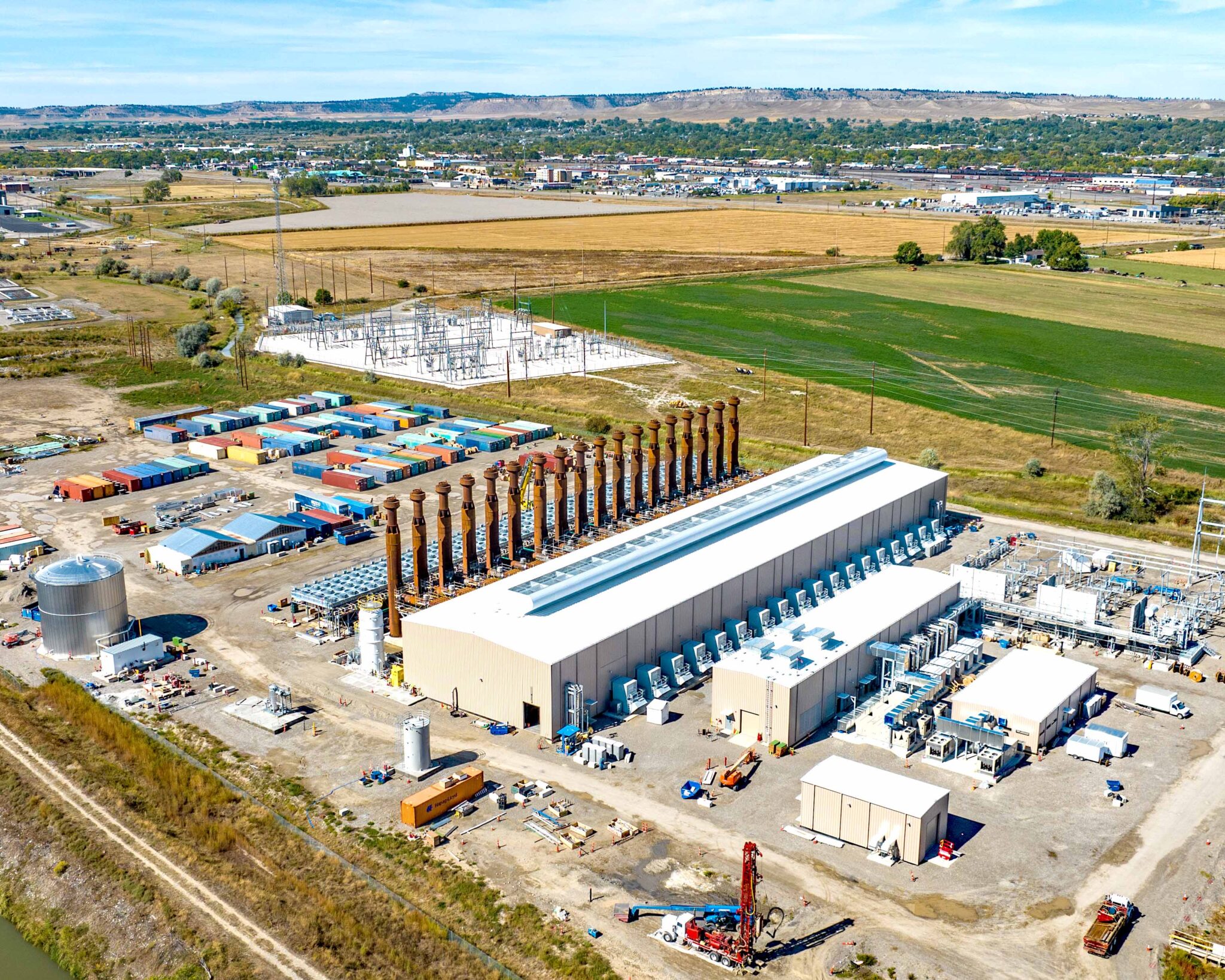
He also said NorthWestern’s inability to sell power shows the infrastructure for which customers are paying — including the new methane-fired plant in Laurel — is way too expensive.
That’s because wholesale customers are buying cleaner, lower cost power elsewhere, he said, and NorthWestern Energy is having a hard time competing.
NorthWestern estimated it would run its new Yellowstone County Generation Station in Laurel much more than it did the last 10 months.
It estimated the base variable costs for the plant would be $32.7 million for 10 months, according to its filing. It spent $13.5 million instead.
Black said NorthWestern is focused on the long-term benefit for Montana customers, and its ownership of the coal-fired plant at Colstrip and the new Laurel plant make it more reliable.
“Over the long term, this positions our Montana customers to continue receiving reliable service at more stable and affordable rates as market conditions change, while reducing exposure to risks from volatility in wholesale energy markets during periods of peak demand,” Black said.