

Rick Bass and The Montana Project bring music, stories and seedlings in support of the Yaak Valley’s old-growth forest
By Mira Brody VP MEDIA
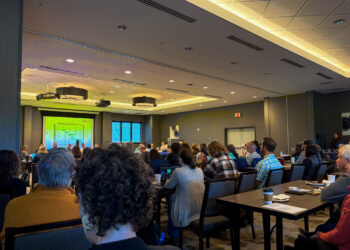
As the crowd filed out of Willson Auditorium in Bozeman on Oct. 2, boxes of seedlings waited by the doors for attendees to collect after Climate Aid: Black Ram Guitar Festival.
“The seedlings are a curious investment these days, as it will take them 30 years to become net positive in carbon storage,” author and event producer Rick Bass told the audience before the night ended. “Will we even be here in 30 years? Yes. Montana will be here, come what will.”
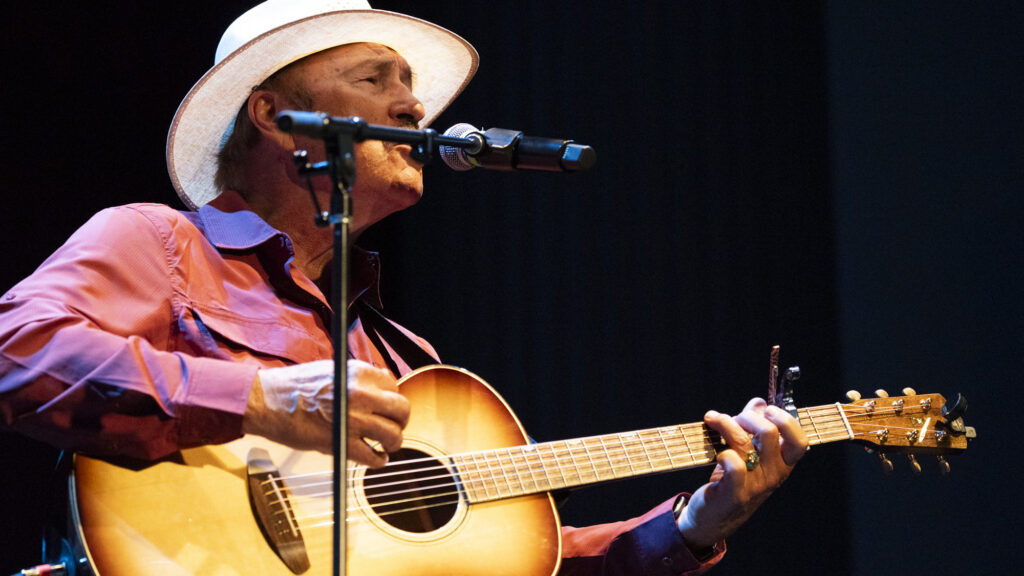
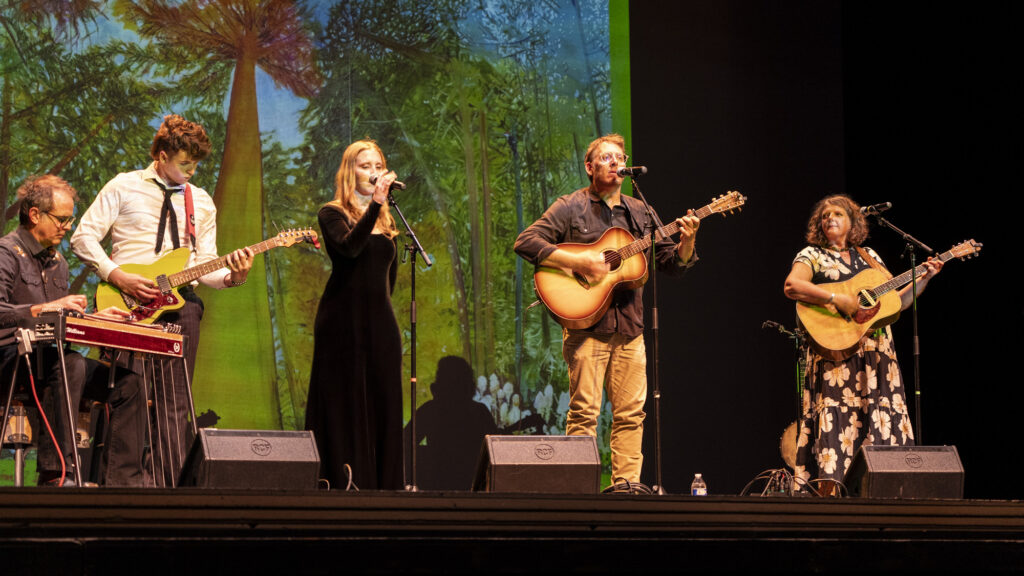
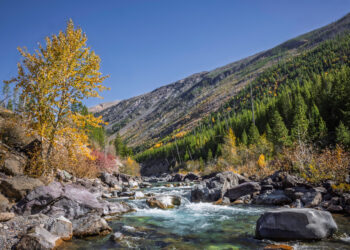
The trees were a parting gift after the benefit concert organized by The Montana Project. The festival, which had previously stopped in Missoula and Portland, Maine, and now Bozeman, supports efforts to protect old-growth forest in northwest Montana’s Yaak Valley from the proposed Black Ram timber sale. As Bass puts it, it offers “a Montana-made solution” to a larger-scale climate aid effort.
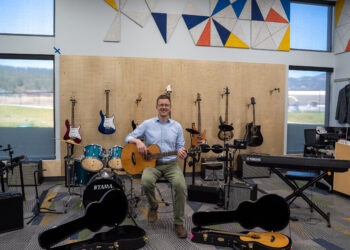
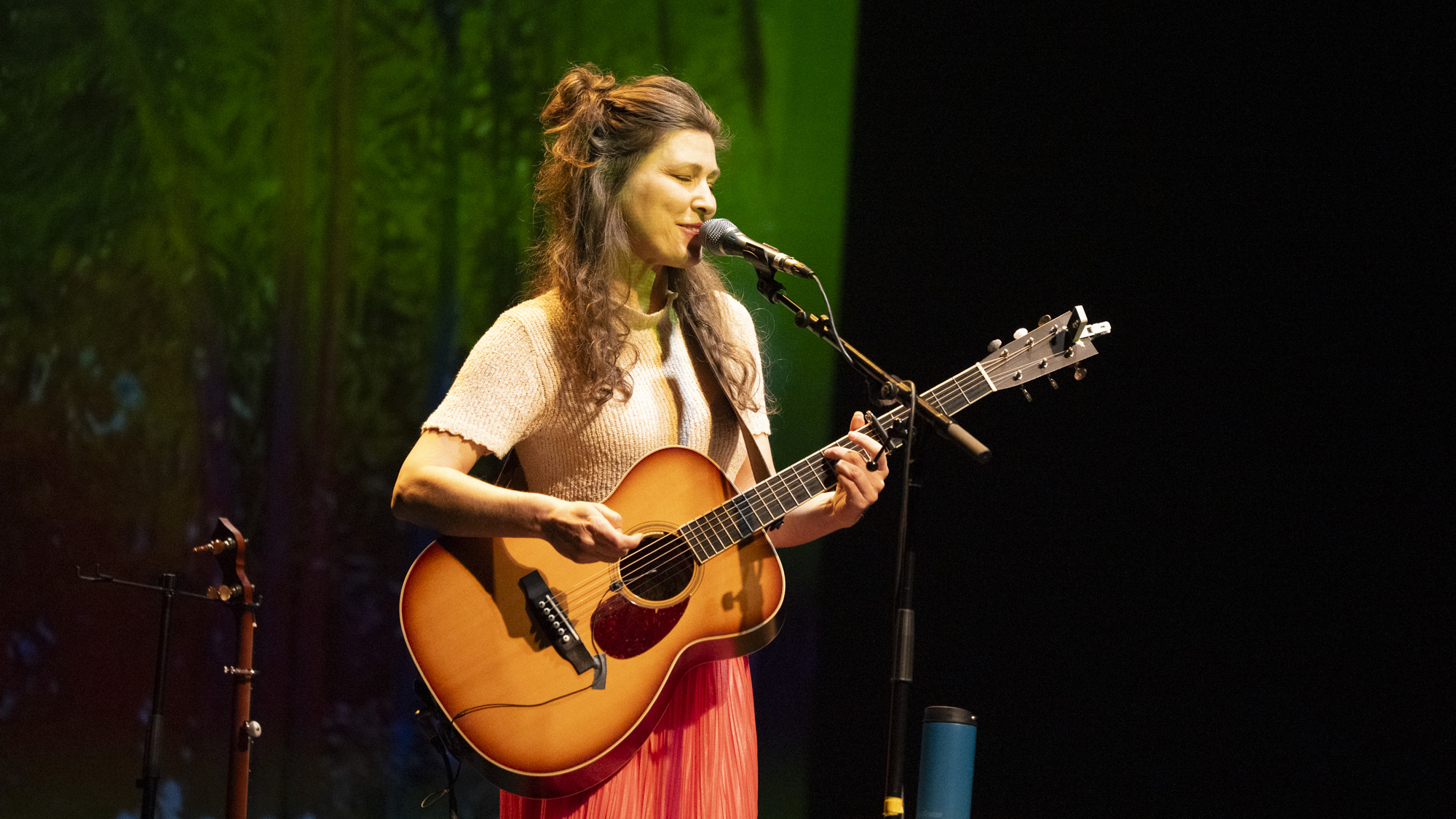
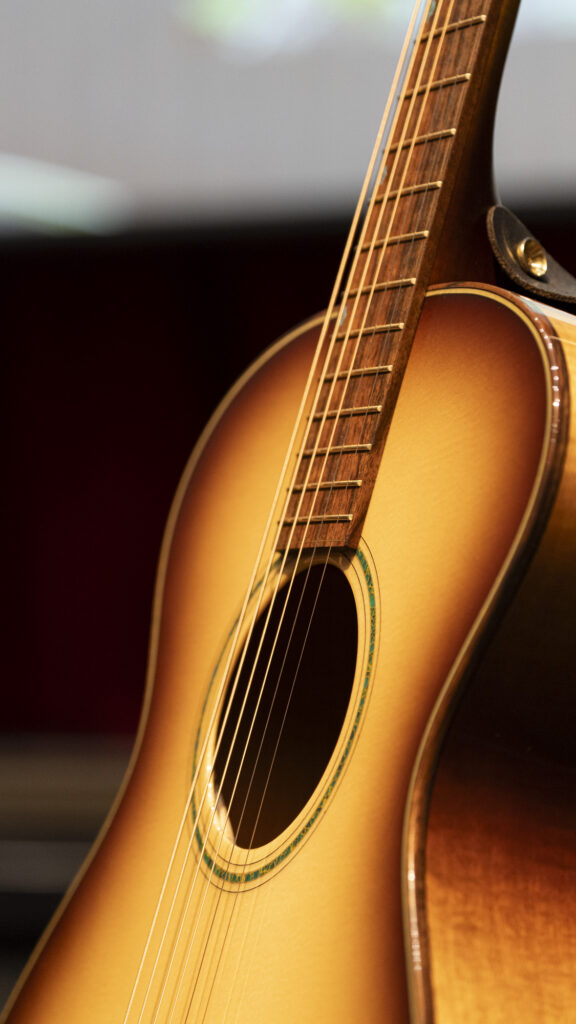
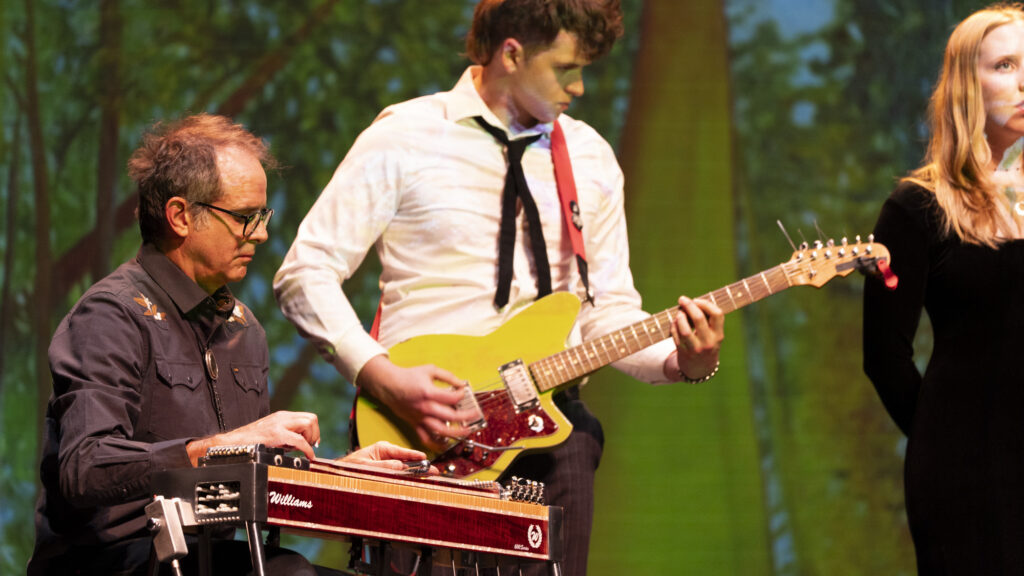
At the center of the night was the Black Ram guitar itself, built from a salvaged 315-year-old Engelmann spruce that fell in the valley’s oldest forest. Musicians passed it among themselves throughout the evening.
“The song learns the grain of the wood. The grain of the wood learns the song,” Bass said.
Emcee Bill McKibben introduced a lineup of speakers, poets and musicians. They included Leslie Caye and singers from the Confederated Salish and Kootenai Tribes; Jack Barksdale; Eric Funk; Nora Spielman and Liz Schmidt; an ensemble set featuring Ruth Moody, Caroline Keys and Gibson Hartwell; performances by Jack Gladstone and Rob Quist; and Moody led the closing set.
Between sets, writer and Indigenous Led co-founder Cristina Mormorunni recalled the words of Crow Chief Plenty Coups on the loss of the buffalo to his people: “… when the buffalo went away the hearts of my people fell to the ground, and they could not lift them up again. After this, nothing happened.” The Crow people experienced a deep loss of identity, she said. The same thing is at stake in the Yaak.
“The planetary crisis is a crisis of relationship,” Mormorunni said. “The way we heal this crisis is to hang in places like the Yaak. She’s still there.”
In an interview with EBS after the event, Bass expanded on the power of relationship, particularly among the musicians and supporters who mingled after the final song.
“Artists, particularly the most accomplished ones, working at the outer edges of their craft, crave collaboration,” Bass said. “And because art—like humanity these days—can be an increasingly solitary existence, the creation of community—a festival, a reading, a goal, a purpose—feels incredibly good.”
Bass hopes building relationships will carry the message of the project’s Climate Aid events. He hopes to hold more soon in Texas, New Mexico and again in Portland, Maine.
“I would love one to be built at the scale of Farm Aid,” Bass said. “The idea is portable and scalable.”
McKibben ended the night with a call to carry the evening forward.
“Friends, you have been filled with great beauty tonight,” McKibben told the audience. “And your job now is to go out in the world and into the next few weeks, to pour some of that beauty back out where it is needed.”
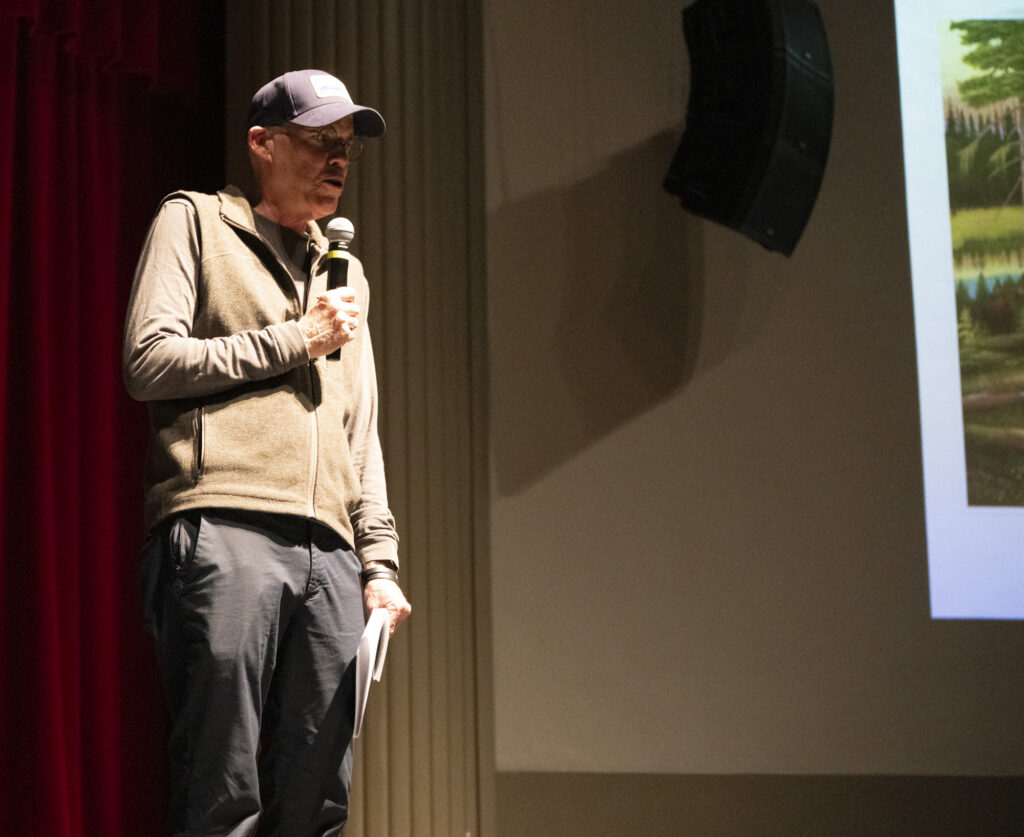
While McKibben’s words rang through the auditorium, Bass’ quieter reflection pairs best with the symbol of taking a small seedling on the way out, one that won’t benefit its caretaker for another generation.
“We don’t know where we’ll make landfall, or how long the journey will take,” he said. “But when we get there, we will want shade.”