

By Eric Ladd PUBLISHER
We are living through a divisive moment in America. Politics increasingly feels less like a debate over ideas and more like a line drawn through our communities, families and friendships. We consume different news, follow different feeds and too often seem to inhabit entirely different versions of the same country.
It has me wondering: Could music help heal some of that divide?
While a concert certainly isn’t going to solve America’s problems, throughout history, music has had an unusual ability to bring people together. Woodstock became a symbol of a generation searching for peace. Live Aid united musicians and audiences across continents around famine relief. Farm Aid turned a concert into a decadeslong movement supporting American farmers. After 9/11, the Concert for New York City gave a grieving country a place to gather and begin healing.
Different audiences and for different causes, but the same basic idea: Artists have a unique ability to gather people, deliver a message and get us to ask ourselves some bigger questions. Music also gives us something increasingly rare: a shared experience.
For a few hours, you can put the phone away, stop reading the headlines and bury yourself in a crowd of thousands of strangers. Nobody asks how you voted before singing the chorus with you. Nobody checks your political affiliation before dancing beside you. The music takes over and, for a moment, the labels we place on one another disappear.
In the span of about a week, I had the opportunity to experience two very different examples of that idea on two different coasts.
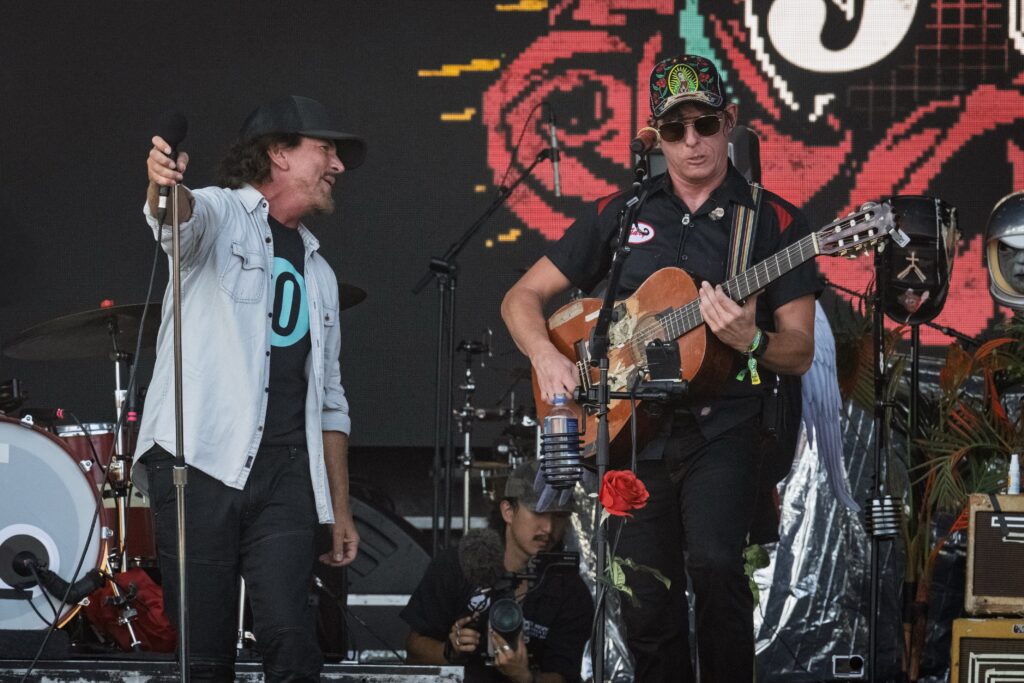
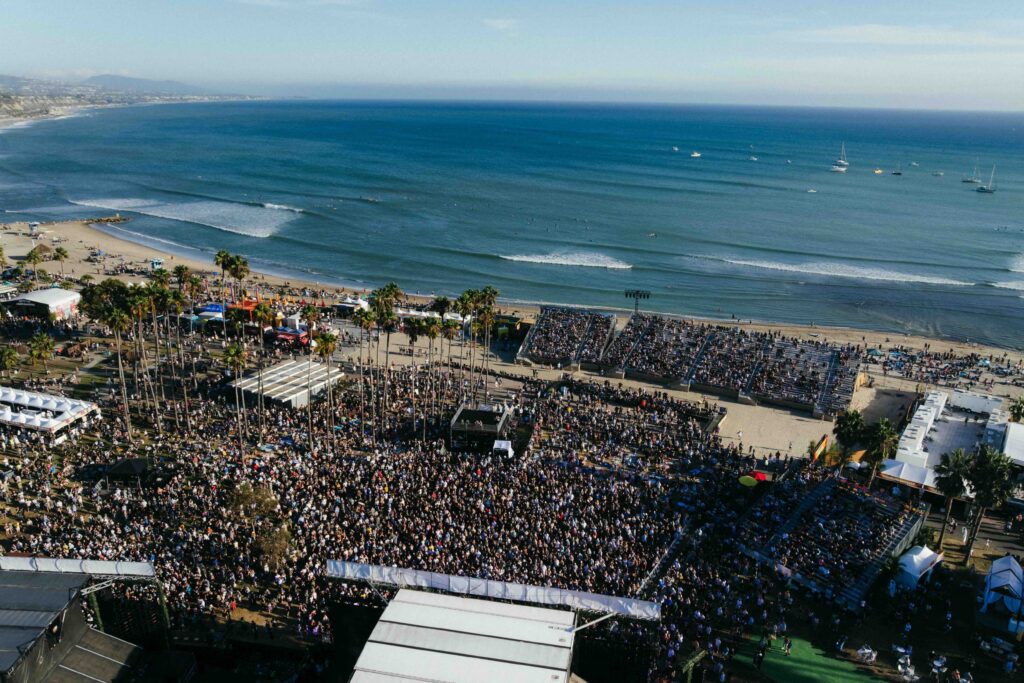
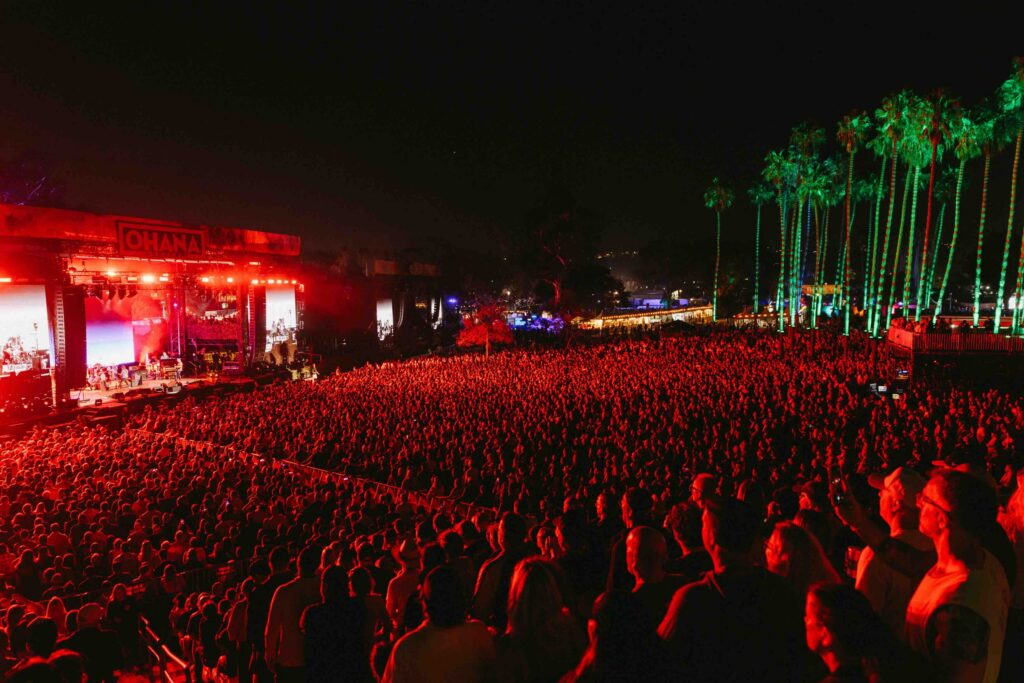
The first was the 10th anniversary of the Ohana Festival at Doheny State Beach in Dana Point, California. Co-founded by Eddie Vedder and Pearl Jam manager Mark Smith, Ohana has evolved into something more meaningful than another stop on the festival calendar. This year’s lineup stretched across genres and generations, including Pearl Jam, Maná, Tyler Childers, Alabama Shakes, Jon Batiste, Billy Idol, Pixies and others.
Ohana also intentionally connects music with environmental stewardship. Its Storytellers Stage brings conservationists, athletes and artists into the festival to talk about the natural world and our responsibility to it.
Days later, I traveled across the country for something altogether different.
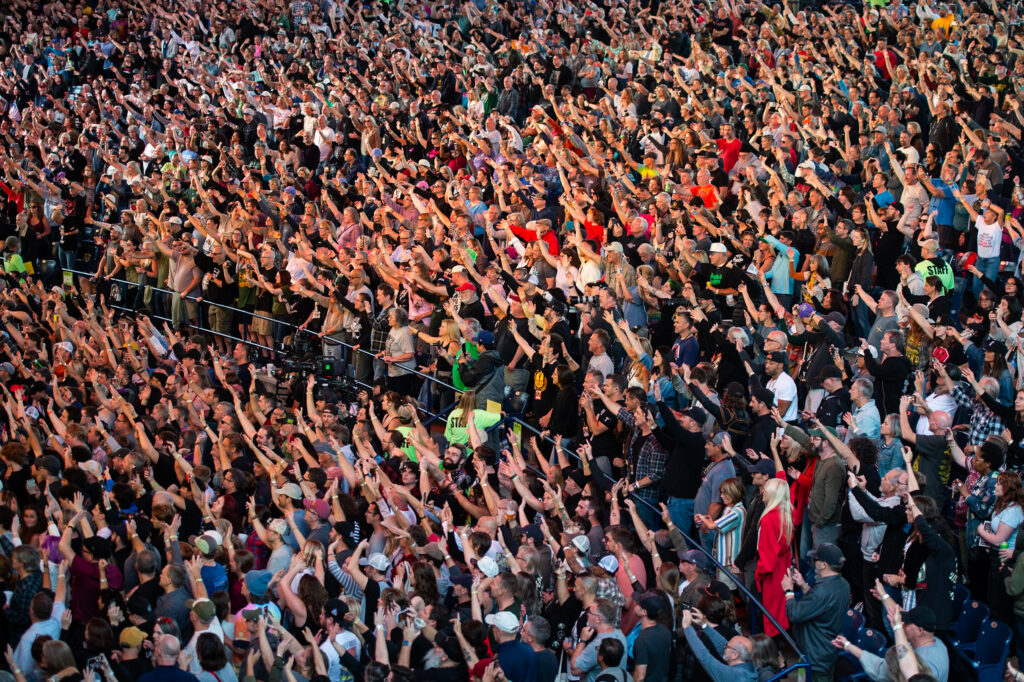
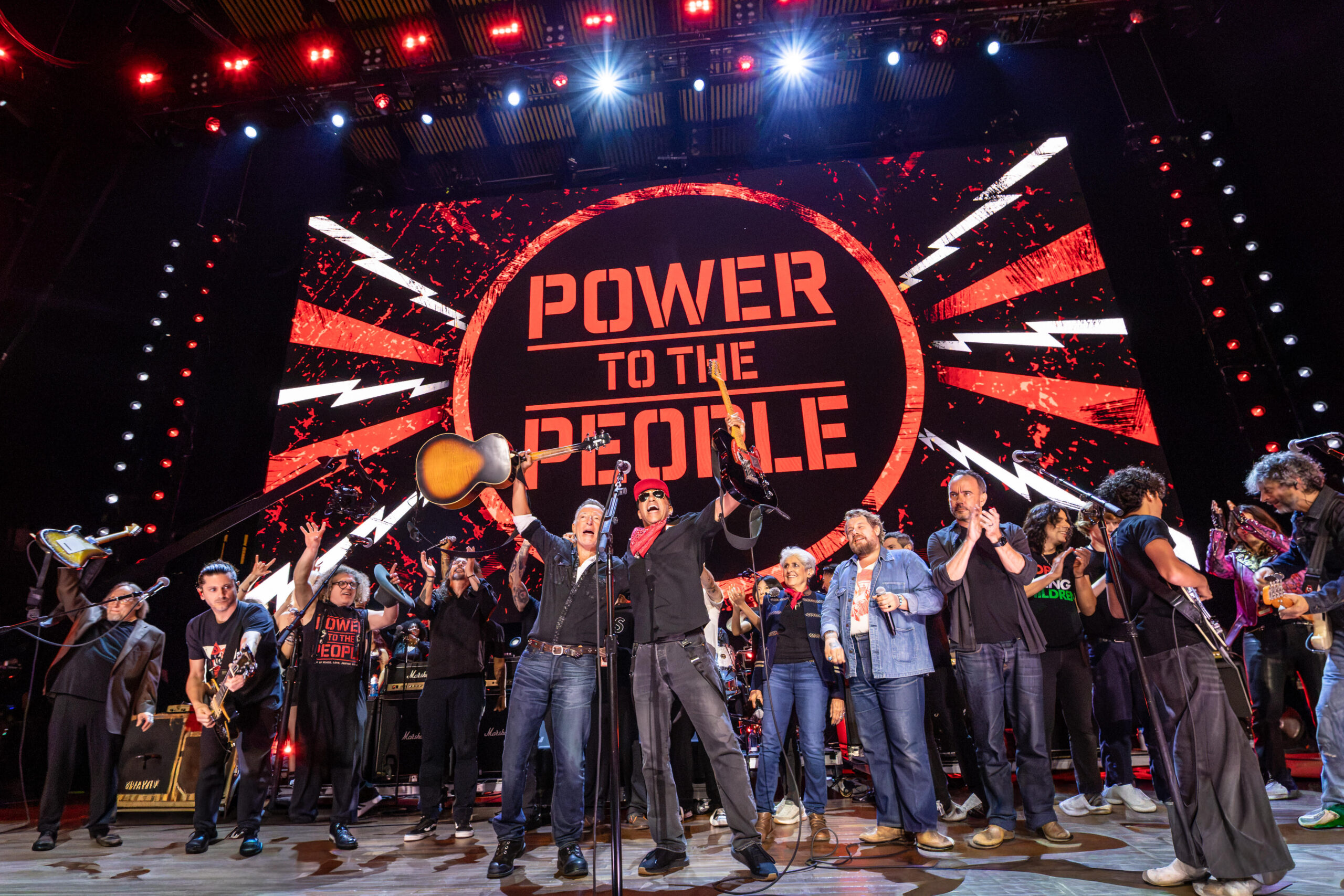
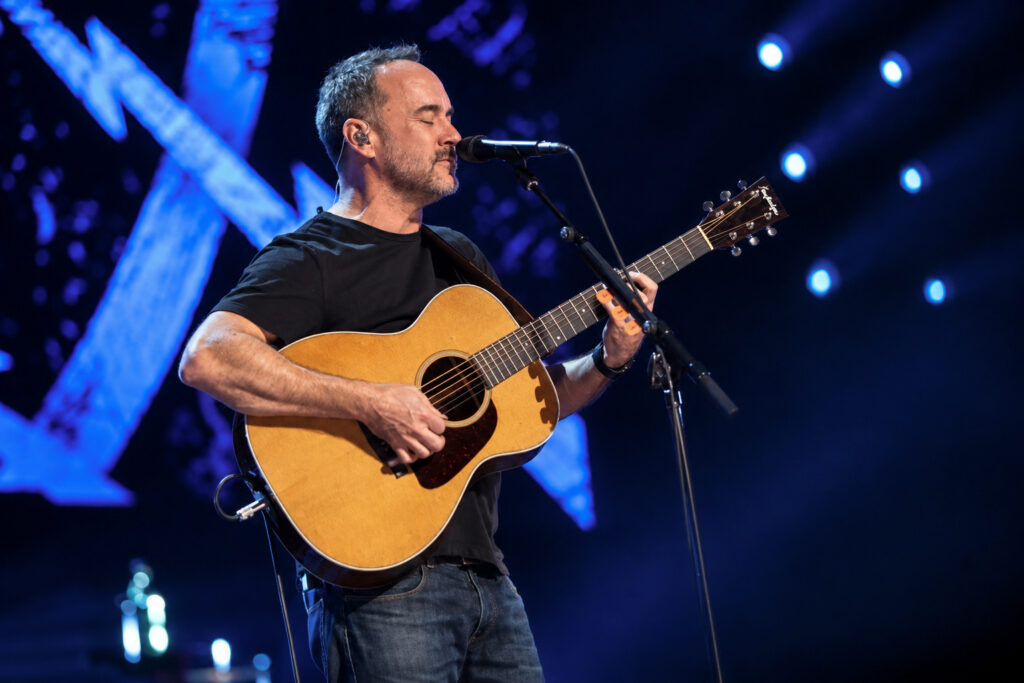
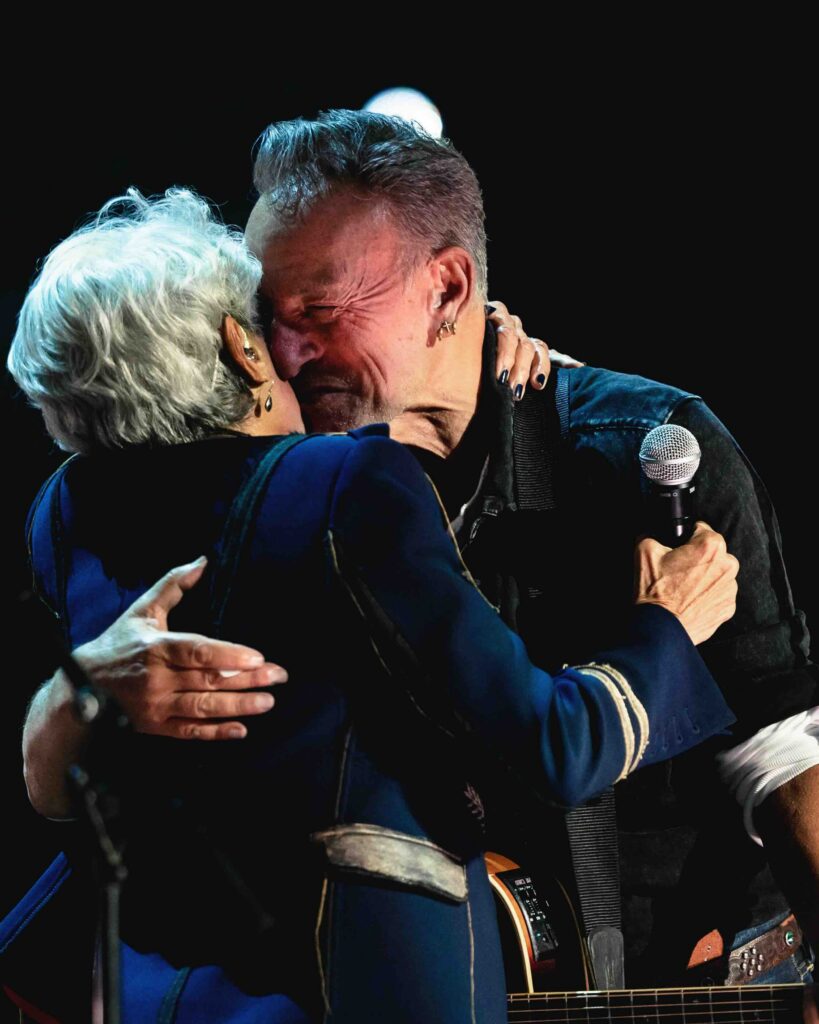
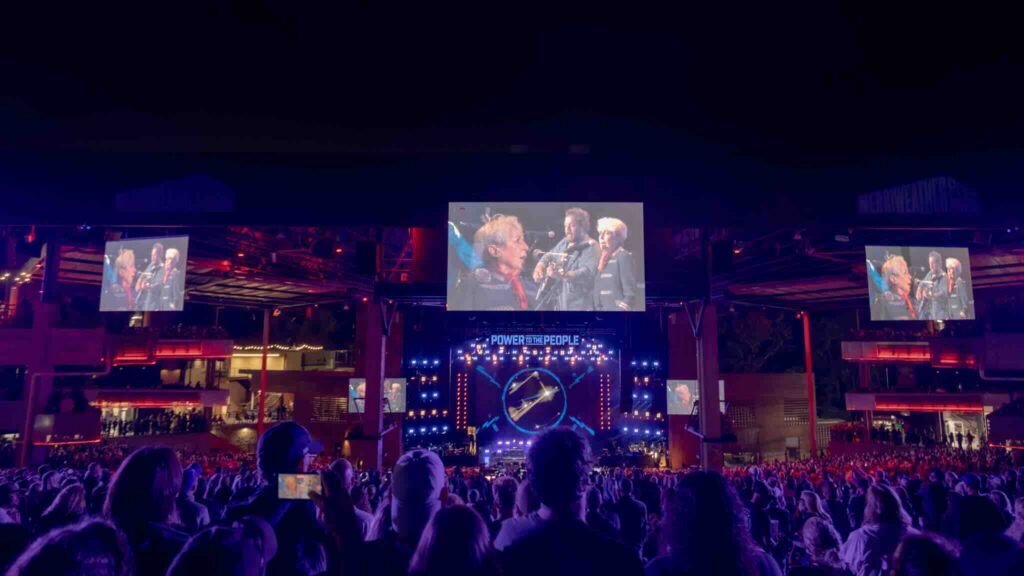
On Oct. 3, Rage Against the Machine guitarist and activist Tom Morello brought Power to the People to Merriweather Post Pavilion in Columbia, Maryland, outside Washington, D.C. The gathering was unapologetically built around activism, with a message centered on peace, justice, solidarity, music and community action. The lineup included Foo Fighters, Dave Matthews, Joan Baez, Public Enemy, Brittany Howard, Dropkick Murphys, Killer Mike, Stephen Stills, Mike McCready, Nathaniel Rateliff, Morello himself and special guest Bruce Springsteen.
Morello is not subtle. His language can be confrontational, political and intentionally provocative. At times it can make you uncomfortable, whether you agree with him or not.
But maybe discomfort has a role to play, too.
Throughout history, artists have pushed society by saying things loudly, creatively and sometimes more aggressively than the rest of us are willing to. You don’t have to agree with every word to appreciate the value of being challenged by it. The question is whether that challenge simply pushes us further apart or causes us to stop, listen and perhaps evolve.
Beneath the volume and sharp edges, though, much of Morello’s message came back to something more universal: dignity, questioning power and a responsibility to one another. His delivery can be confrontational, but the conversation it creates can still be constructive.
That tension was part of what made Power to the People interesting. This wasn’t an audience being asked to quietly consume entertainment. We were being asked to think.
And that brings me to what struck me most at both festivals: the remarkable diversity, not only in the crowd but on the stage.
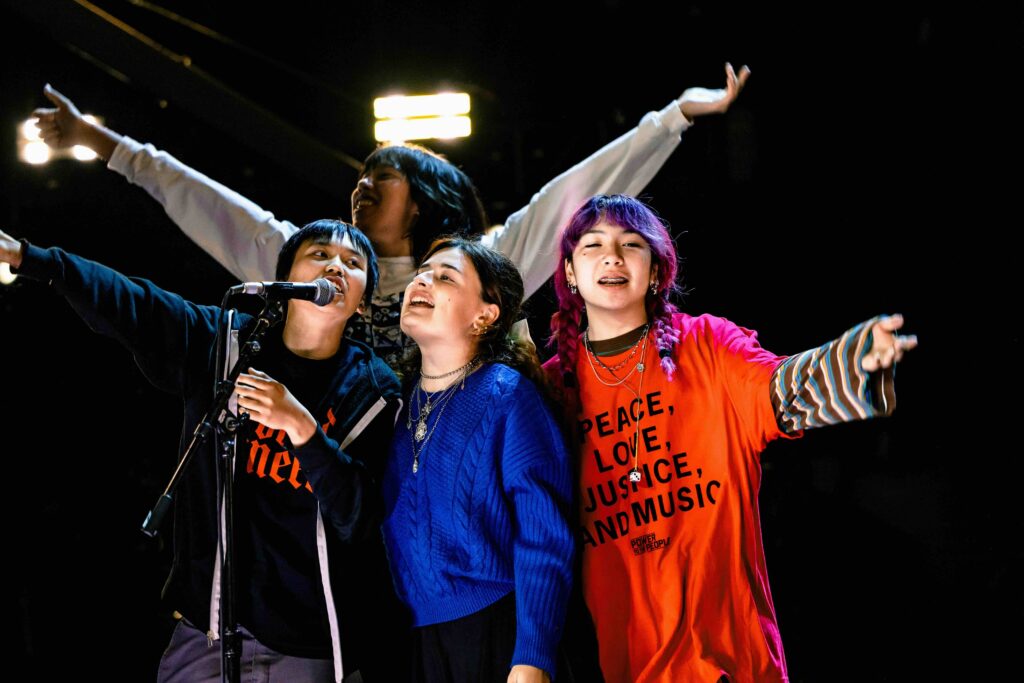
These weren’t gatherings built around one generation, genre or demographic. Young artists shared stages with legends. The crowds spanned generations, ethnicities and backgrounds. Vedder’s team at Ohana and Morello’s team at Power to the People seemed to curate that diversity intentionally and masterfully.
Music has a rare ability to cross boundaries that increasingly define American life. A 25-year-old and a 70-year-old may disagree on politics, culture and plenty else, but they can still stand next to each other and be moved by the same song.
It made me think—maybe unity doesn’t require agreement, but simply the willingness to stand in the same place, hear one another and remain in the conversation.
Both weekends were filled with the kinds of moments that remind you why live music still matters.

At Ohana, Stephen Wilson Jr. joined Vedder for “Hunger Strike,” a song forever tied to Chris Cornell. It was one of those goosebump moments when generations of musicians and fans suddenly collide.
As a music fan, I would also be remiss not to recognize the historic nature of Pearl Jam’s weekend. The band took the stage twice with Abe Laboriel Jr., Paul McCartney’s longtime drummer, behind the kit. These were Pearl Jam’s first performances since the departure of longtime drummer Matt Cameron, and there was a palpable sense among fans that we might be watching the beginning of the band’s next chapter.
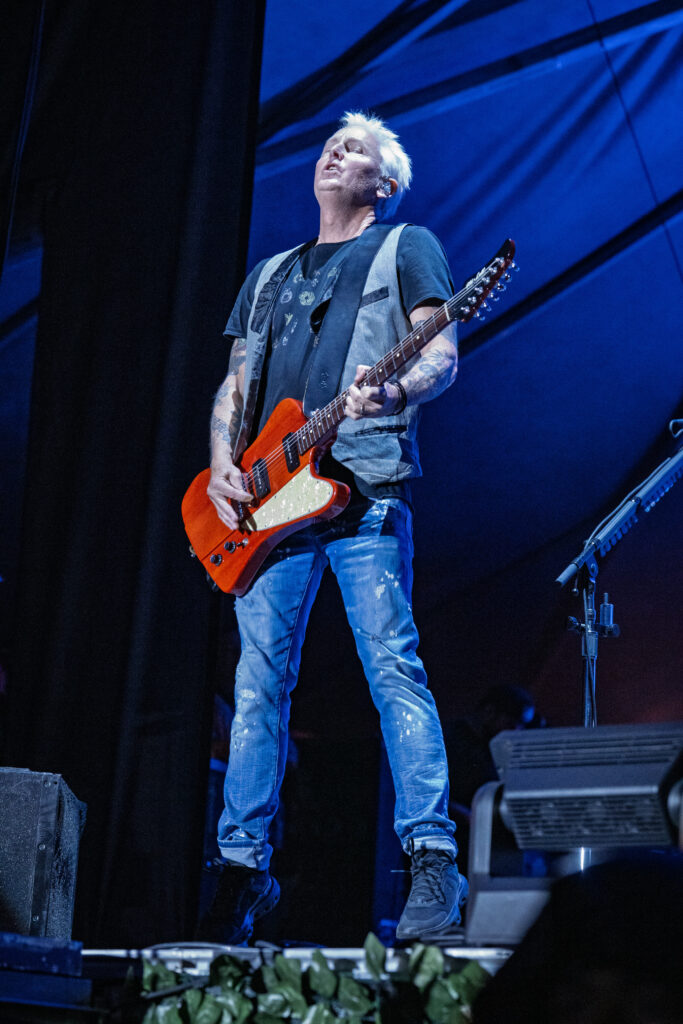
If the power of Mike McCready’s guitar solo in “Black” was any indication, Pearl Jam has plenty left in the tank. Listening to his guitar rip across Doheny State Beach, it was hard not to hope the band will soon be back on the road.
Power to the People delivered its own collection of unforgettable moments.
Dropkick Murphys somehow turned a mosh pit, usually a place of elbows and chaos, into a “peace” mosh pit. Thousands of people bounced into one another with smiles on their faces around an idea that couldn’t have been simpler: peace.
Nathaniel Rateliff delivered his poetic lyrics among the towering trees of Symphony Woods, his voice rolling through the crowd and into the forest.
Foo Fighters didn’t simply arrive, deliver an incredible headlining performance and leave. Dave Grohl kept showing up and sharing the stage with other artists. Seeing him alongside Morello, Springsteen and so many musicians gathered for the occasion reinforced what made the event special. It revealed the biggest musicians in the world not protecting their spotlight, but sharing it. Those moments weren’t Republican or Democrat, young or old; they were human.
Dave Matthews may have captured the spirit of both weekends best. Speaking about the suffering and division we see around the world, he brought the message back to something remarkably simple.
“Everybody’s children are our children,” I recall him saying on stage.
He went on to remind the crowd that regardless of language or race, we have a responsibility to take care of each other and this beautiful planet, a message that stayed with me that night.
That’s the magic of live music. For a few minutes, thousands of people can feel the same thing at the same time. We can be reminded that before we are divided by geography, race, age, politics or ideology, we are people sharing the same planet and trying to leave something worthwhile for our kids.
My wife and I had the opportunity to share some of these experiences with our young son. At one point, Eddie Vedder bent down, gave him knuckles and slipped a treasured guitar pick into his pocket.
Watching that simple interaction, I felt proud. Not just to be a fan of musicians like Eddie, but to see artists of his stature make a point of connecting with the next generation.
Tom Morello returned to that idea often from the stage. The messages, music and movements we create aren’t simply about the people standing in the crowd today. They’re about the kids who will inherit what we leave behind.
Morello made that personal, bringing his 15-year-old son, Roman, onstage to play alongside him. Watching Tom step back and beam with the unmistakable pride of a father as his son ripped through powerful guitar solos was one of my favorite moments of the weekend.
It reinforced something I had just experienced with my own son and Eddie Vedder. Music is passed down. Songs, ideas, values and traditions move from one generation to the next, sometimes through a statement from a stage and sometimes through a guitar pick quietly slipped into a little boy’s pocket.
I’ve watched a version of this happen right here in Big Sky as well. Whether it’s Big Sky PBR weekend or thousands of people gathering for Wildlands, I’ve seen strangers become friends in a crowd. People arrive carrying whatever stress or disagreement existed outside the gates and, for a few hours, simply experience something together. Maybe that is part of what our country needs right now; not another algorithm telling us what to be angry about. Not another television panel telling us why the other side is destroying America. Maybe we need more places where we actually stand next to one another.
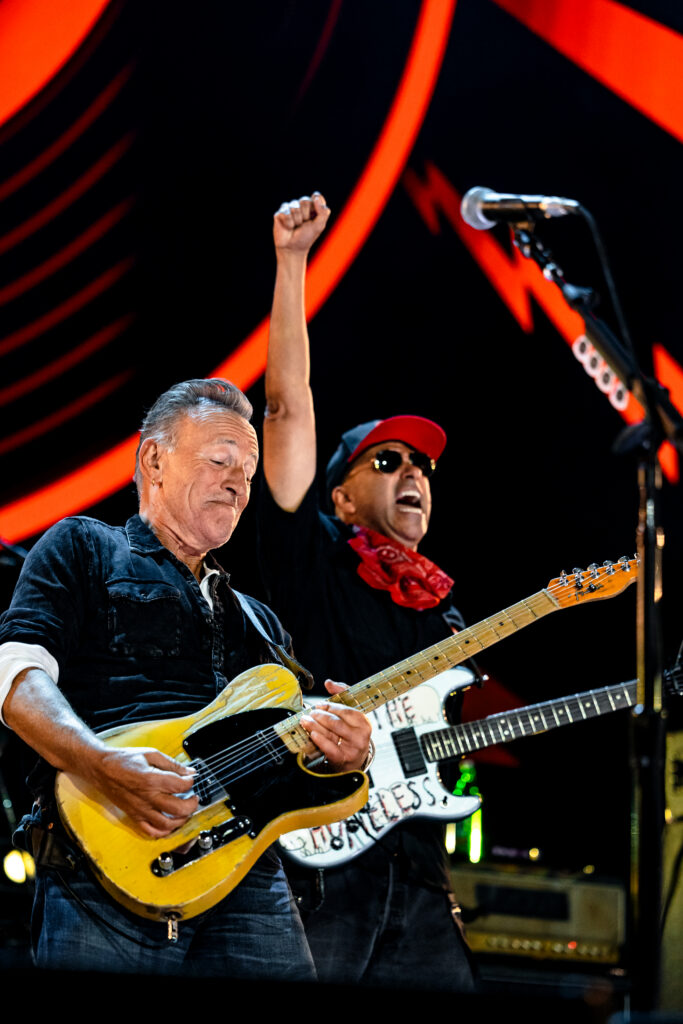
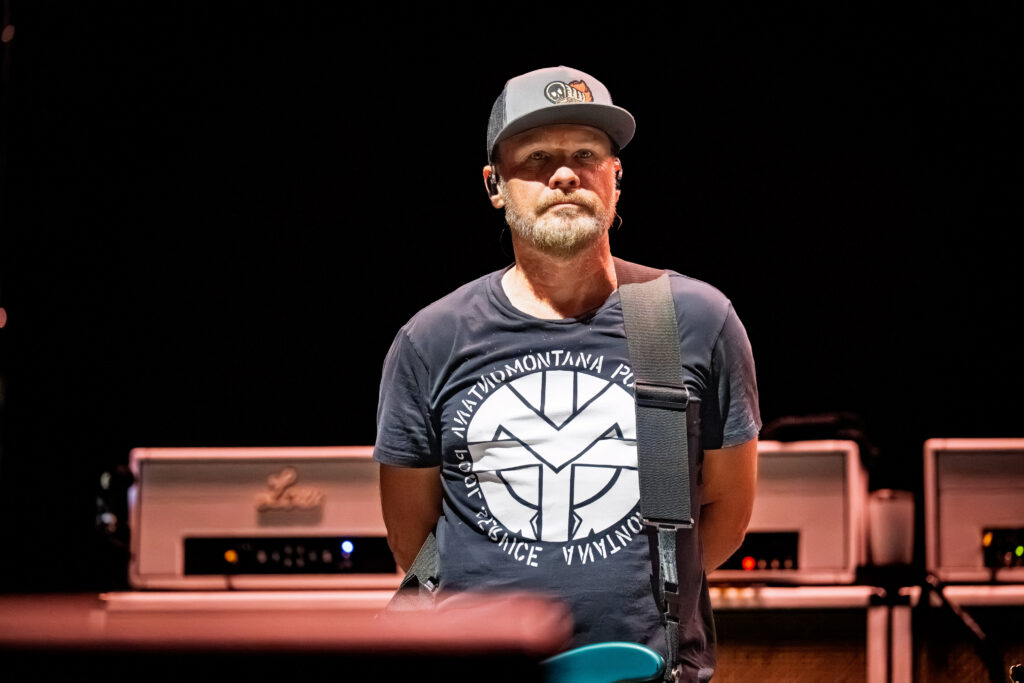
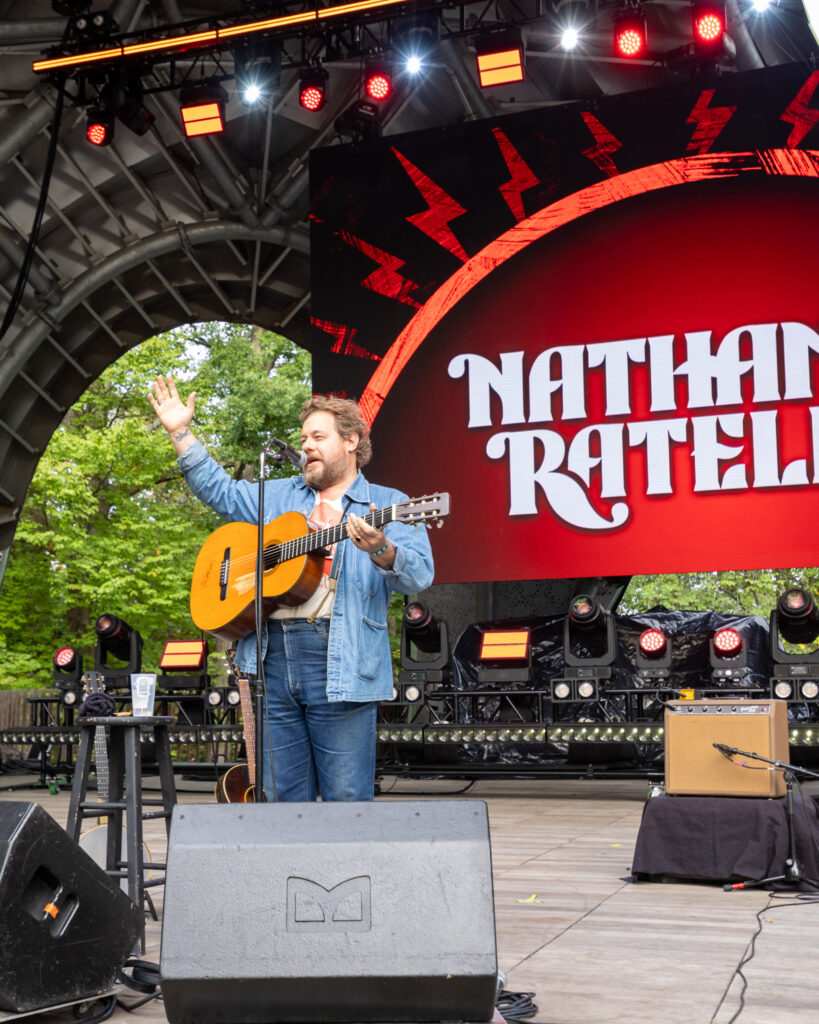
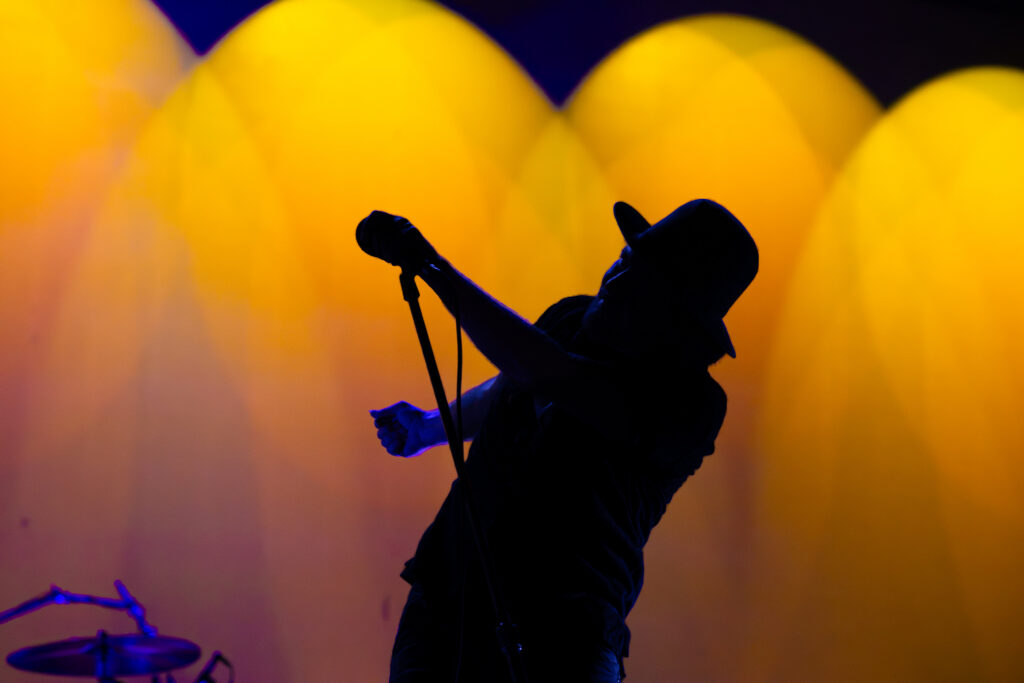
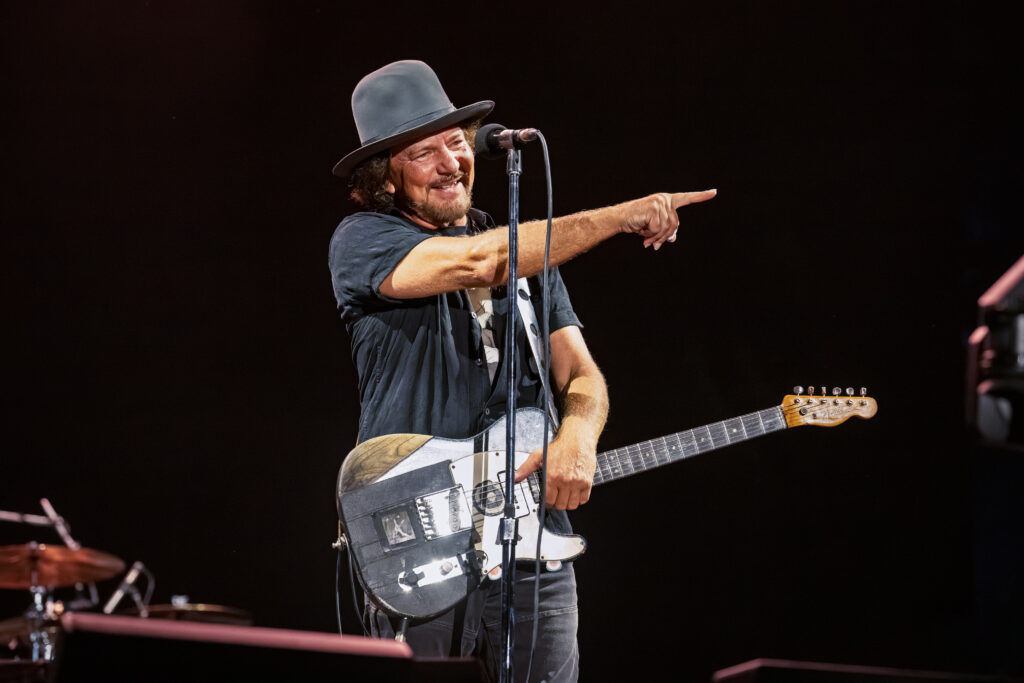
Photos by Matt Ruppert, George Ortiz, Jack Sab for Power To The People Festival courtesy of Merriweather Post Pavilion
Music won’t fix our politics, but it can remind us of something politics often makes us forget: We have more in common than we think.
We worry about our kids. We love our communities. We want opportunity. We want our neighbors to succeed. We want to feel safe. We want to belong to something.
There was one final piece of symmetry I couldn’t ignore.
Two festivals taking place on two coasts with different artists, audiences and missions. Yet both gatherings reached a crescendo with the same Neil Young anthem, “Rockin’ in the Free World.”
At Ohana, Pearl Jam and Billy Strings tore through it near the end of the festival’s final set. Days later, on the opposite side of the country, the song again became a communal rallying cry at Power to the People, this time with Bruce Springsteen and Dave Grohl leading the charge. The power and irony of that wasn’t lost on me.
Thousands of people from different generations and backgrounds stood shoulder to shoulder singing the same song. Whatever meaning each person took from it was their own. That’s part of the beauty of music. It doesn’t require everyone to interpret a song the same way. It simply gives them a reason to experience it together.
Maybe music can’t heal the country, but perhaps it can remind us what a healthy country should still be capable of: gathering, questioning, listening, disagreeing and occasionally singing together.
Which brings me to a fitting piece of advice from my friend Lukas Nelson. His song “Turn Off the News (Build a Garden)” pretty much says it all.
Maybe that’s exactly what we need right now.
Turn off the news. Go build a garden.
And every once in a while, go to a concert and sing with a stranger.