

By Erica Rosenberg WRITERS ON THE RANGE
In late August, national headlines exposed the National Park Service’s efforts to swap land from one of America’s natural crown jewels, Yosemite National Park, so that a developer could give his planned resort direct access to the park.
Federal land trades are meant to advance land management objectives, such as enhancing recreation opportunities and access. Unfortunately, many swaps are not initiated to directly benefit the public. Rather than federal agencies spurring land deals, private parties, such as developers or landowners, often initiate the deals that benefit themselves, not the public. Public land trades are also meant to go through a public process.

But in western Colorado alone, two of three active—and controversial—land-exchange proposals, both in the watershed between Aspen and Glenwood Springs, would circumvent standard requirements for environmental review and public comment.
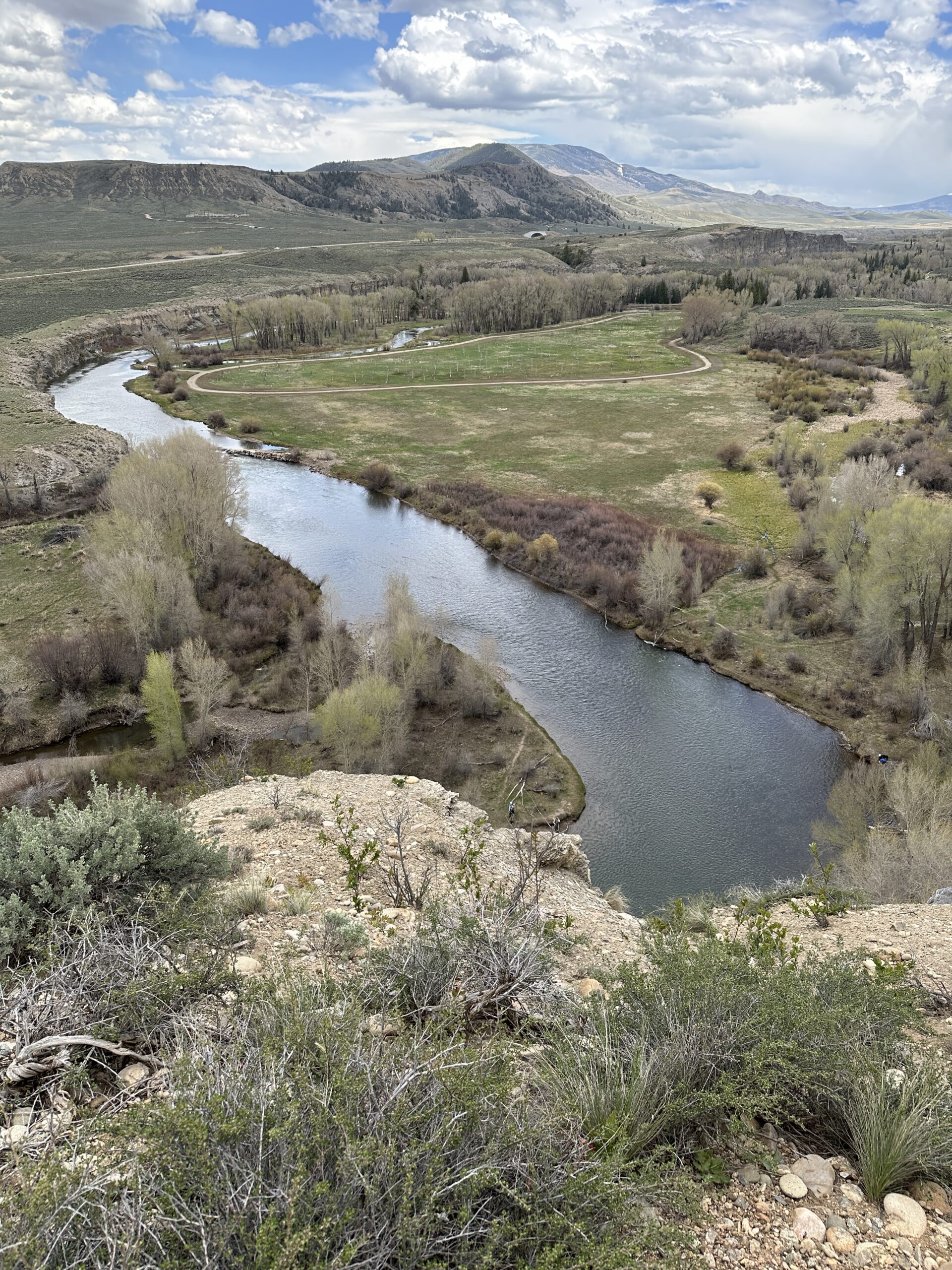
A trade finalized in 2025 in western Colorado illustrates how federal land exchanges benefit the rich. When the Blue Valley Ranch gained the last three publicly owned parcels along 15 linear miles of the Lower Blue in a swap last year, the public lost guaranteed access to a Gold Medal trout fishery near the town of Kremmling.
Although Colorado gives people the right to float navigable rivers, access remains severely limited because touching landowners’ riverbeds and banks amounts to trespass. With publicly owned access to Colorado’s rivers such a valuable commodity, the privatization of BLM access over land to this beloved fishery is now a huge loss for the public.
As is typical of other public-land deals across the West, the exchange was initiated by a wealthy landowner, billionaire Paul Tudor Jones II, owner of the 25,000-acre Blue Valley Ranch in western Colorado’s Grand and Summit counties.
The landowner’s rationale was the need to consolidate his holdings, and he and his consultants had close ties to the nonprofit Friends of the Lower Blue River, which promoted the land exchange as a win for conservation and recreation. The ranch owner’s well-funded advocacy drowned out concerns from anglers and local residents about both river access and transparency.
In its initial administrative protest, Basalt-based Colorado Wild Public Lands, a land exchange watchdog, summed up the proposed deal: “Immensely valuable public lands are to be traded away for restrictive-access easements and non-guaranteed infrastructure improvements.”
The Bureau of Land Management chose the billionaire over the public when it traded away what had been close to two miles of riverfront access along the Lower Blue River. In exchange, the public got some marginal hunting grounds and a river “park.” The park confines all riverfront recreation to a three-quarter-mile section of the Blue River.
Blue Valley Ranch offered easements that maintained access to the riverbank for floaters on a limited basis, but the language allows the owner to revoke those easements and close off the river altogether. He is now trying to curtail river access through a permit system.
Perhaps worse, according to a December 2025 Colorado Parks and Wildlife study, the rest of the Lower Blue River is experiencing increased fish mortality and declining river health. The study found the ranch’s efforts to boost fish population and fish size were the cause. The ranch blamed overfishing.
Thanks to the trade, the public lost not just access, but also long-term protection of the river and its corridor, because the Blue Valley Ranch decided not to place its newly acquired federal lands under a permanent conservation easement. Protections once guaranteed by law now depend on the interests, integrity and whims of a single landowner.
Shockingly, the BLM finalized the land exchange despite pending appeals, and the agency then declined to grant a stay of the closing pending the outcome of the appeals. It proceeded with an irreversible land transfer under circumstances that underscore the lack of fairness in the process.
In this exchange, one powerful landowner benefited at the expense of everyone else. It also highlights the ongoing privatization of public land throughout the West.
Perhaps the well-publicized outrage over Yosemite will fuel public awareness about federal agencies that abdicate their responsibilities and continually give away our natural heritage.
Erica Rosenberg is a contributor to Writers on the Range, an independent nonprofit dedicated to spurring lively conversation about the West. She worked as counsel to both House and Senate Committees overseeing public lands and has served on the boards of several conservation nonprofits, including Colorado Wild Public Lands.