

By Daniel Bierschwale EBS COLUMNIST
It’s been a while since I’ve written The Big Sky Way, so we have some catching up to do. As it turns out, so does Big Sky.
When I last signed off, I said I’d be back when there was something important to share. There is.
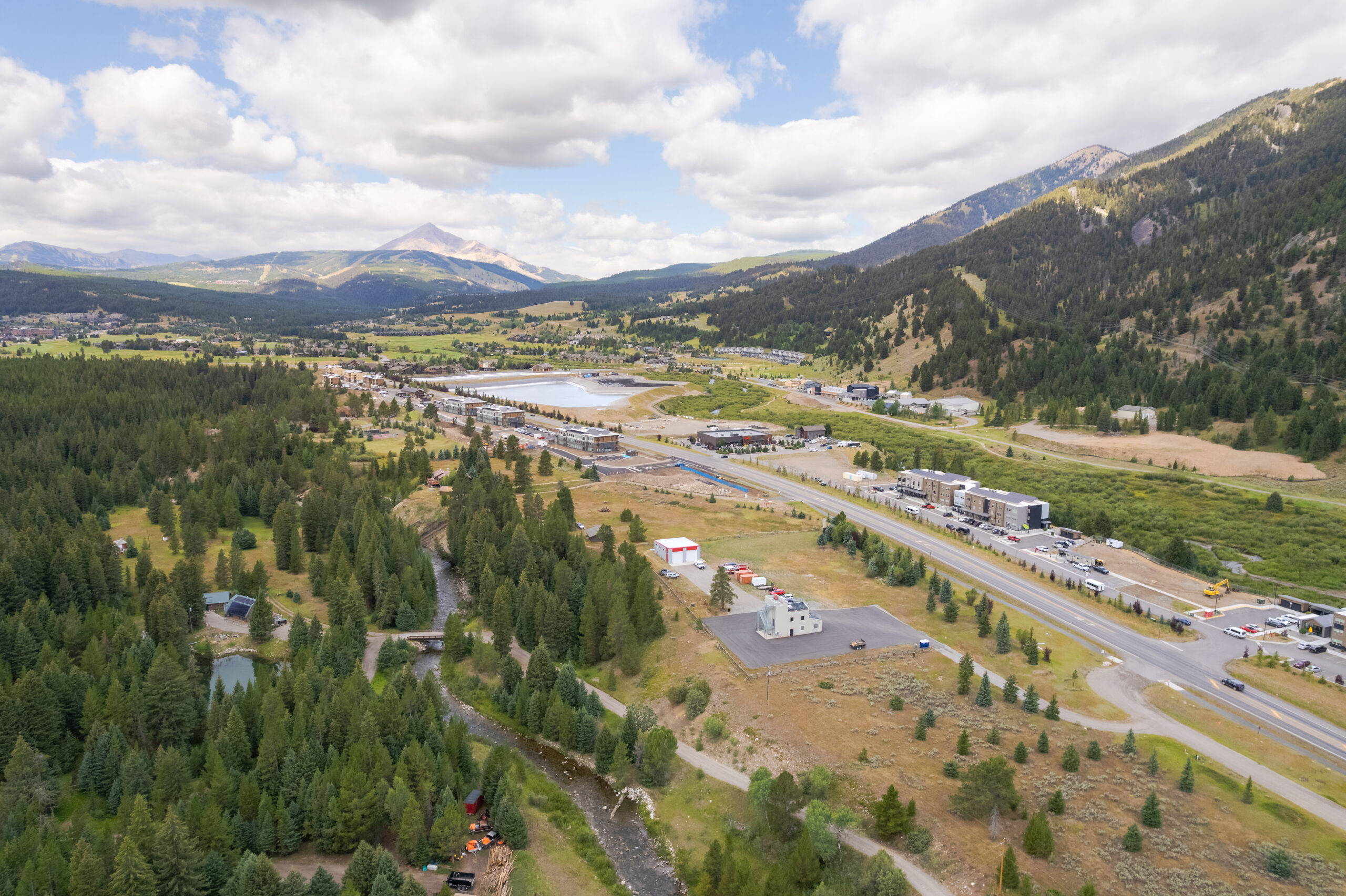
Big Sky is different from many of the Rocky Mountain resort communities we often compare ourselves to. Many grew from established mining or ranching towns, with roads, utilities and other basic infrastructure already in place before the first ski lift started turning. Here, the resort came first. Much of what we now know as the Meadow had been ranchland—home to cattle, sheep and hay fields. When Big Sky began taking shape more than 50 years ago, there wasn’t an established town or generations of infrastructure to build upon. In many ways, we’ve been building the community and the infrastructure beneath it at the same time.
And while we’ve made significant investments along the way, our infrastructure hasn’t always kept pace with Big Sky’s growth.
Between 2010 and 2020, Big Sky’s year-round population grew 54%. Today, nearly 3,800 people call Big Sky home, but on a peak day, our community can swell to 15,000. The systems we rely on—roads, water and wastewater, emergency services and more—have to work for the Big Sky that shows up on our busiest days.
While Big Sky has grown, so has its importance to the region and state. Our economic footprint has reached $2.2 billion, equivalent to 4.3% of Montana’s GDP, and economic activity here touches one in three jobs across Gallatin and Madison counties. Consider this: Big Sky has less than 1.5% of the combined population of Billings, Bozeman and Missoula, yet its taxable value is roughly equivalent to all three cities combined.
The challenge is that the infrastructure supporting all of that activity hasn’t grown at the same pace.
We see it on our roads. Traffic on Montana Highway 64 nearly doubled between 2011 and 2022, while traffic on U.S. Highway 191 more than doubled. Those roads carry employees to work, kids to school, goods to businesses and emergency responders to calls. Nearly everyone entering Big Sky travels through the same constrained transportation network.
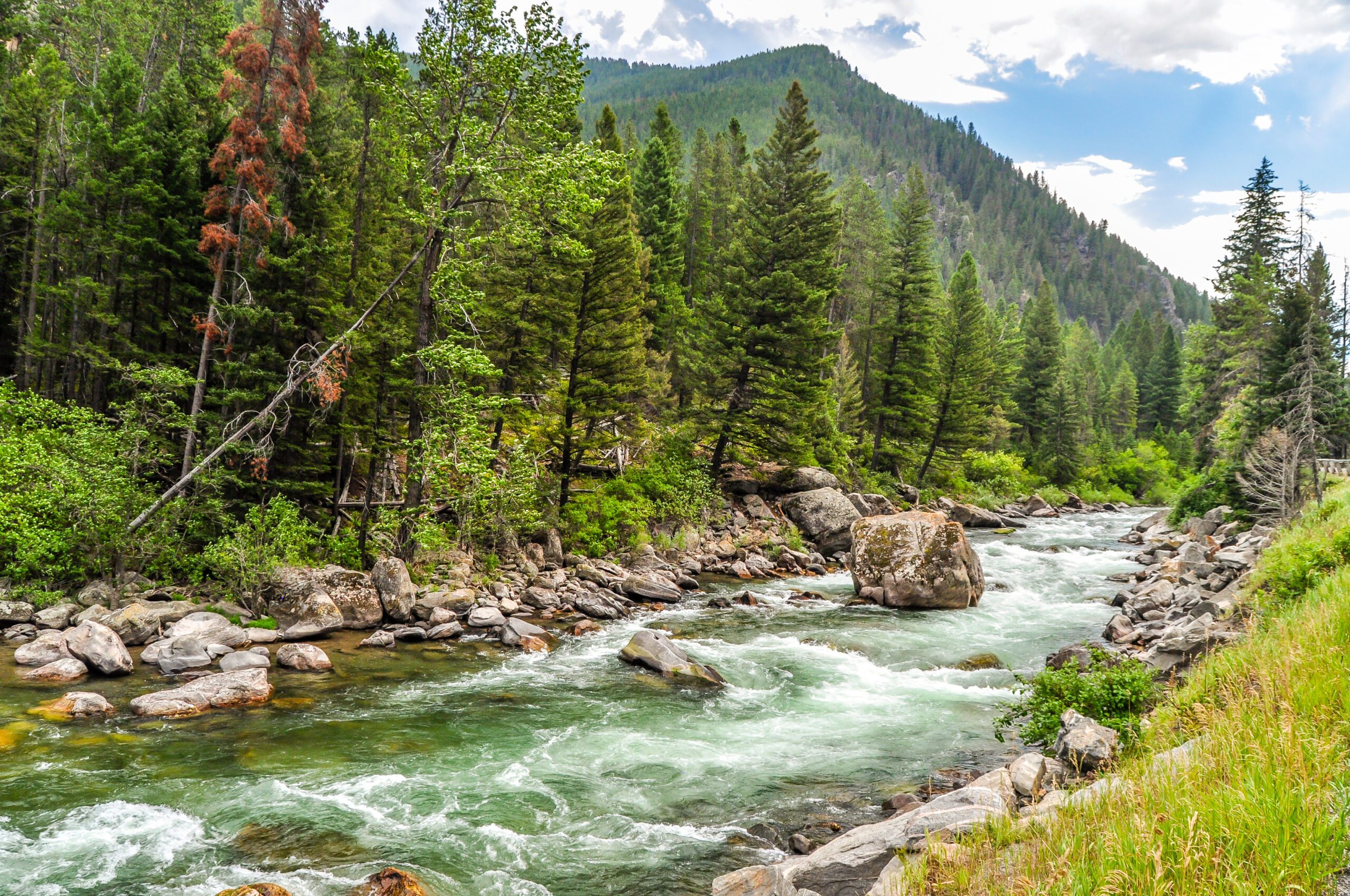
We see it in our water and wastewater systems. Big Sky is Montana’s largest zero-discharge community, meaning treated wastewater isn’t released directly into the Gallatin River. Instead, we store and beneficially reuse it for irrigation and snowmaking. That approach helps protect water quality and reduces demand on potable water—but also requires enough treatment, storage and reuse capacity to manage every gallon. Without additional capacity, our existing wastewater reuse system is projected to reach its limit before 2031.
We see it in emergency response. Big Sky Fire Department has already surpassed the call volume once projected for 2040. At the same time, Big Sky faces very high wildfire risk—higher than 96% of communities nationwide. Preparing for wildfire means investing not only in prevention and mitigation, but in the infrastructure needed to respond when it matters.
These challenges don’t exist independently. Housing affects transportation. Transportation affects emergency response. Water infrastructure affects wildfire protection. Wastewater capacity affects housing, businesses and the health of our river.
Infrastructure is the system beneath the system.
This isn’t a new conversation. In a 2023 The Big Sky Way, “A Solid Base,” I wrote about the Big Sky Community Capital Improvement Plan, which identified $777 million in needs and provided a foundation for prioritizing projects and evaluating how to fund them.
Three years later, that planning matters more than ever.
Big Sky has long used a range of tools to invest in the services and infrastructure our community needs. Resort Tax, special-purpose districts, mill levies, grants, philanthropy, private investment and ratepayer funding have all played important roles.
That approach reflects something distinctive about Big Sky. As an unincorporated community spanning two counties, infrastructure and services are provided through multiple public entities and partnerships, each bringing different responsibilities, resources and funding tools to the table. By working together—and leveraging public dollars alongside private and philanthropic investment—Big Sky has been able to accomplish more than any one organization or funding source could on its own.
But as Big Sky has grown, so has the scale and complexity of the infrastructure we need. The projects ahead increasingly cross boundaries, serve multiple purposes and require levels of investment that can be difficult for any one entity or funding source to take on alone.
The challenge isn’t that the tools we’ve used haven’t worked. It’s that the needs have outgrown what those tools can reasonably accomplish on their own.
This isn’t simply about accommodating more growth. It’s about catching up with the growth that has already happened. It’s about protecting the Gallatin River, making our roads safer, preparing for wildfire, supporting the people who work here and ensuring the infrastructure behind one of Montana’s most significant economic centers is reliable and resilient.
For more than 50 years, Big Sky has found ways to meet the challenges in front of us. Now, we need to make sure the infrastructure beneath our community can support the Big Sky we have become.
So yes, we had some catching up to do.
Big Sky does, too.
That’s where we’ll pick up in the next The Big Sky Way.
Daniel Bierschwale is the Executive Director of the Big Sky Resort Area District =. As a dedicated public servant, he is committed to increasing civic engagement and voter education. Many ballot issues impact government services and public funding, including subsequent property tax impacts. BSRAD is the local government agency that administers Resort Tax, which offsets property taxes while also funding numerous community-wide nonprofit programs.