
By Abby Butler EBS COLUMNIST
Remember a time when taking a long road trip inevitably resulted in a windshield smeared with bug casualties? A dirty windshield signaled an abundance of insects, something easily taken for granted. Nowadays, while there might be a few casualties here and there, our windshields have never been freer of bugs—a reality much more dire than one might think.
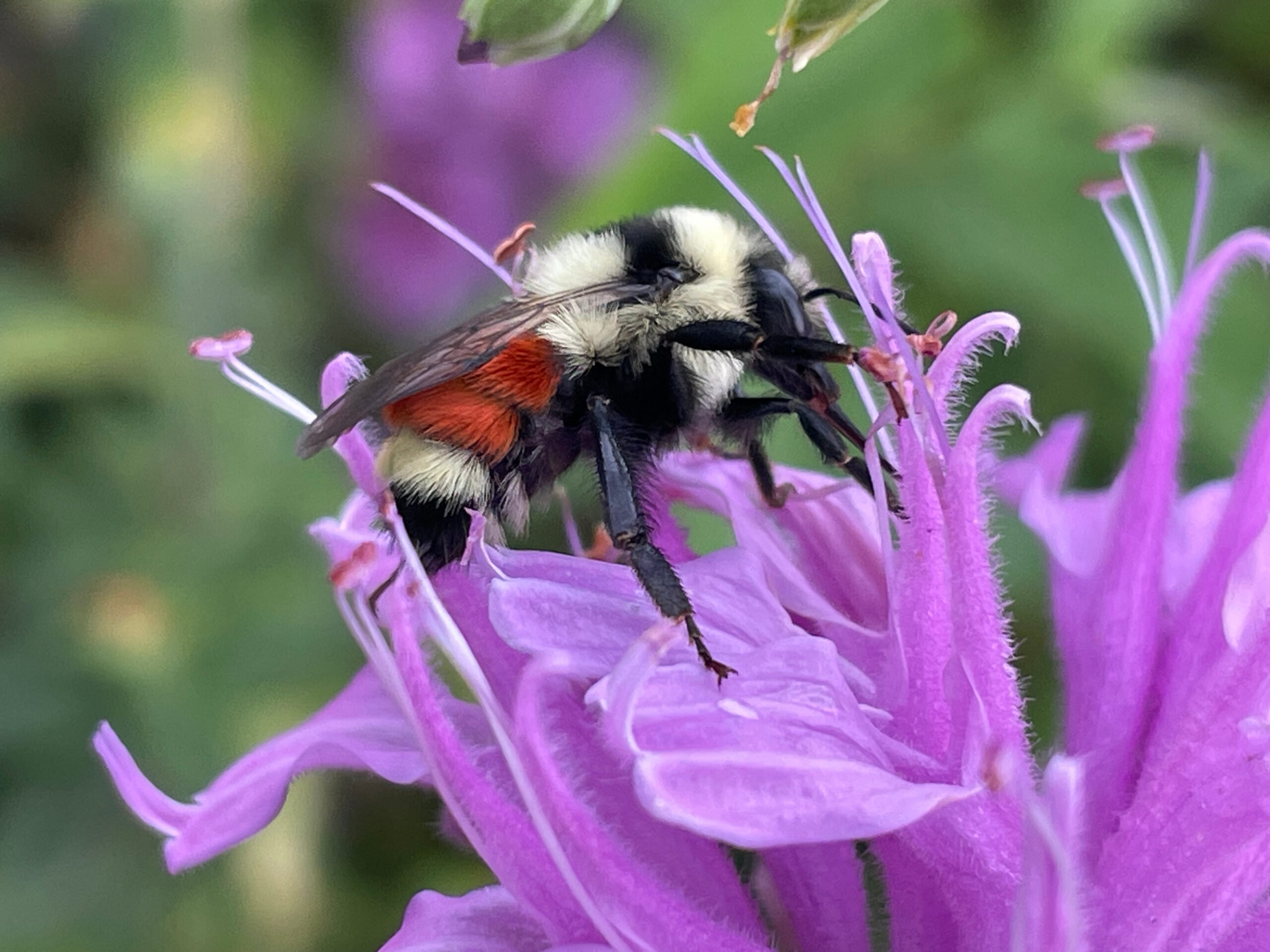
Insects, an incredibly diverse group, do more than just pollinate our plants or make hiking near a lake an itchy experience. They’re the foundation of many essential processes on Earth.

Insects recycle nutrients in the soil, act as free pest control, help plants reproduce, and provide a direct food source for wildlife. David Wagner, a professor of entomology at the University of Connecticut, told Reuters about the importance of insects.

“They’re the fabric tethering together every freshwater and terrestrial ecosystem across the planet,” he said
Their invaluable role cannot be understated, nor can the fact that their populations are facing serious losses. Globally, insect populations are declining at a rate up to 2% each year. This may seem like a small amount, but when insects make up 95% of the animal kingdom, that 2% no longer appears inconsequential. With invertebrate populations declining worldwide, our role in combatting this rapid loss becomes even more apparent.
Promoting native plant species, being strategic about using pesticides and building a landscape that supports insects year-round are three small actions you can take to make a big impact on insect populations.
According to the Xerces Society for Invertebrate Conservation, the amount of native habitat has a direct influence on insect diversity and abundance. For example, native trees on average support 15 times more caterpillars than nonnative trees, and 90% of leaf-eating insects specialize on either one or a few native species. Simply stated,, if specific native plants are not growing in their range, many insects have nothing to eat or nest in. By prioritizing planting native, you’re prioritizing habitat for insects.
Improper and excessive use of pesticides can impair an insect’s ability to feed or reproduce. This doesn’t mean you should give up managing your noxious weeds as their ability to outcompete essential native plants is a significant threat to insect populations. Managing noxious weeds responsibly is vital.
Two practices to start with are spraying early in the morning when pollinators are inactive and never spraying blooming flower heads. Luckily, there are public services and education opportunities available to residents. Consult your local Weed District’s website in Madison County or Gallatin County for in-depth guides on what to spray and how to do it right.
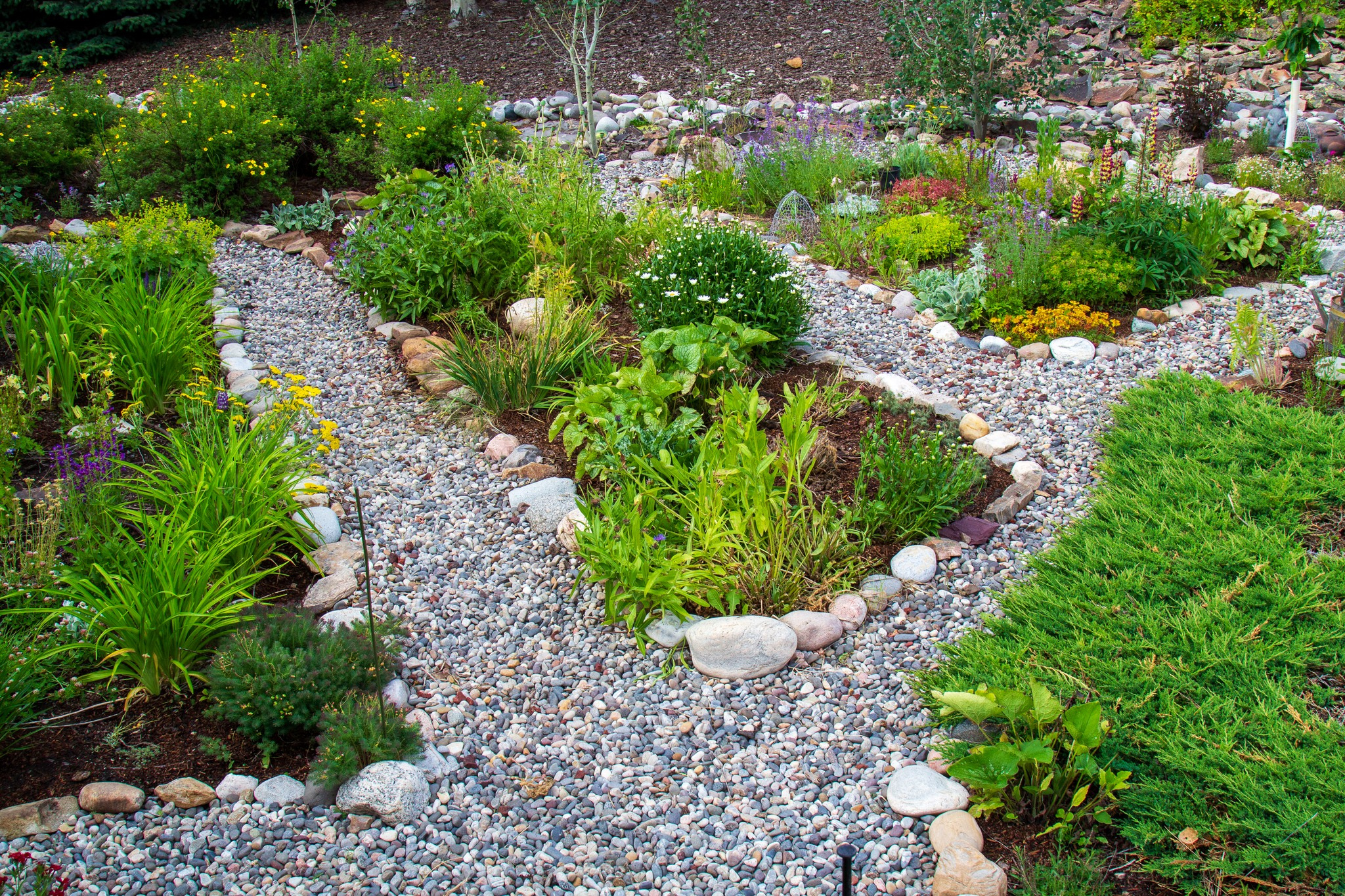
Wildlife habitat is more than just food and flowers. Insects need a water source and place to nest, especially in the winter. Adding small dishes with stones and a little water close to your garden provides insects with a reliable source of water. It’s also important to keep your garden a little “messy”. This means that as soon as the first frost hits, don’t trim and pull up your dead plants; instead, leave plants with hollow stems intact for insects to make homes in and consider leaving plants like native grasses and sedges as they provide overwintering sites. Lastly, leaving sections of bare ground promotes ground-nesting for native bees.
Visit growwildmt.org for resources on noxious weeds, native plants, and pollinator-friendly gardening. If you’re looking for garden inspiration, visit alpenscapes.org to learn how to create landscapes that are both beautiful and beneficial to the environment or stop by the Moose Pair Pollinator Garden located at the Ousel Falls trailhead in Big Sky to see in-person what your native, insect-friendly garden could look like.
Remembering David Wagner’s words above, insects tie every freshwater and terrestrial ecosystem together. That includes your blue-ribbon trout, the elk and moose that wander through your backyard, and the birds that have just started their spring singing. Caring for insects means caring for all living things on Earth, including yourself.
Abby Butler is the conservation program manager for Grow Wild, a 501c3 nonprofit organization that works to conserve native species in the Upper Gallatin Watershed through education, habitat restoration, and collaborative land stewardship.