

The federal government is considering removing nationwide protections from millions of acres of national forest land; the proposal could affect wildfire management, water and wildlife near Big Sky
By Kristin Gardner and Lizzie Peyton GUEST CONTRIBUTORS
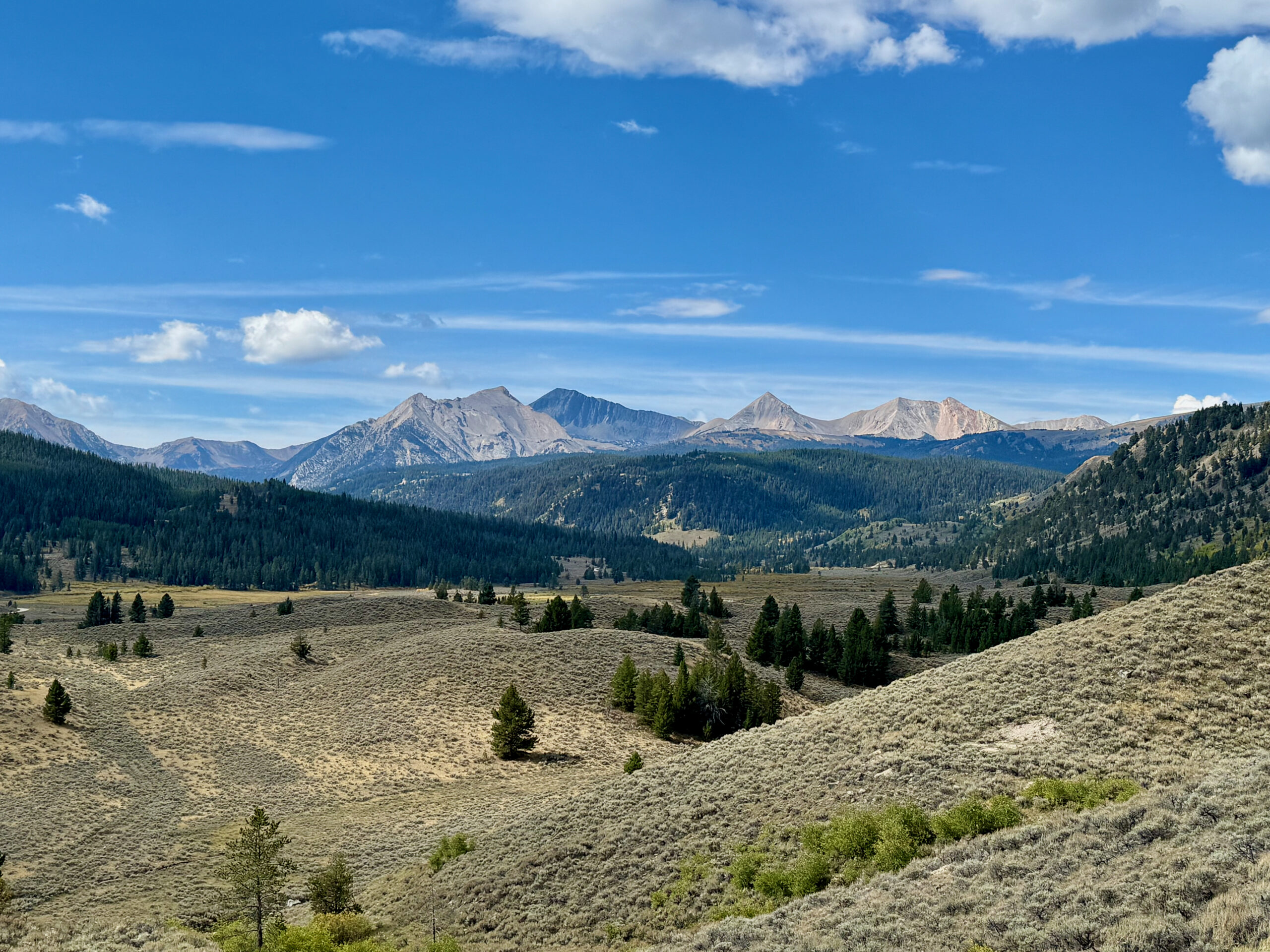
There’s a lot of conversation across Montana about the future of the 2001 Roadless Area Conservation Rule, and in Big Sky, the issue hits especially close to home. Much of the undeveloped national forest surrounding Big Sky is protected by the roadless rule.
The federal policy limits road construction and large-scale timber harvesting in designated areas of the national forest system. Across Montana, the rule applies to approximately 6.4 million acres of national forest land.

On Aug. 18, the U.S. Department of Agriculture announced a proposal to rescind the roadless rule. With the public comment period closing Oct. 6, 2026, now is the time for Montanans to weigh in.
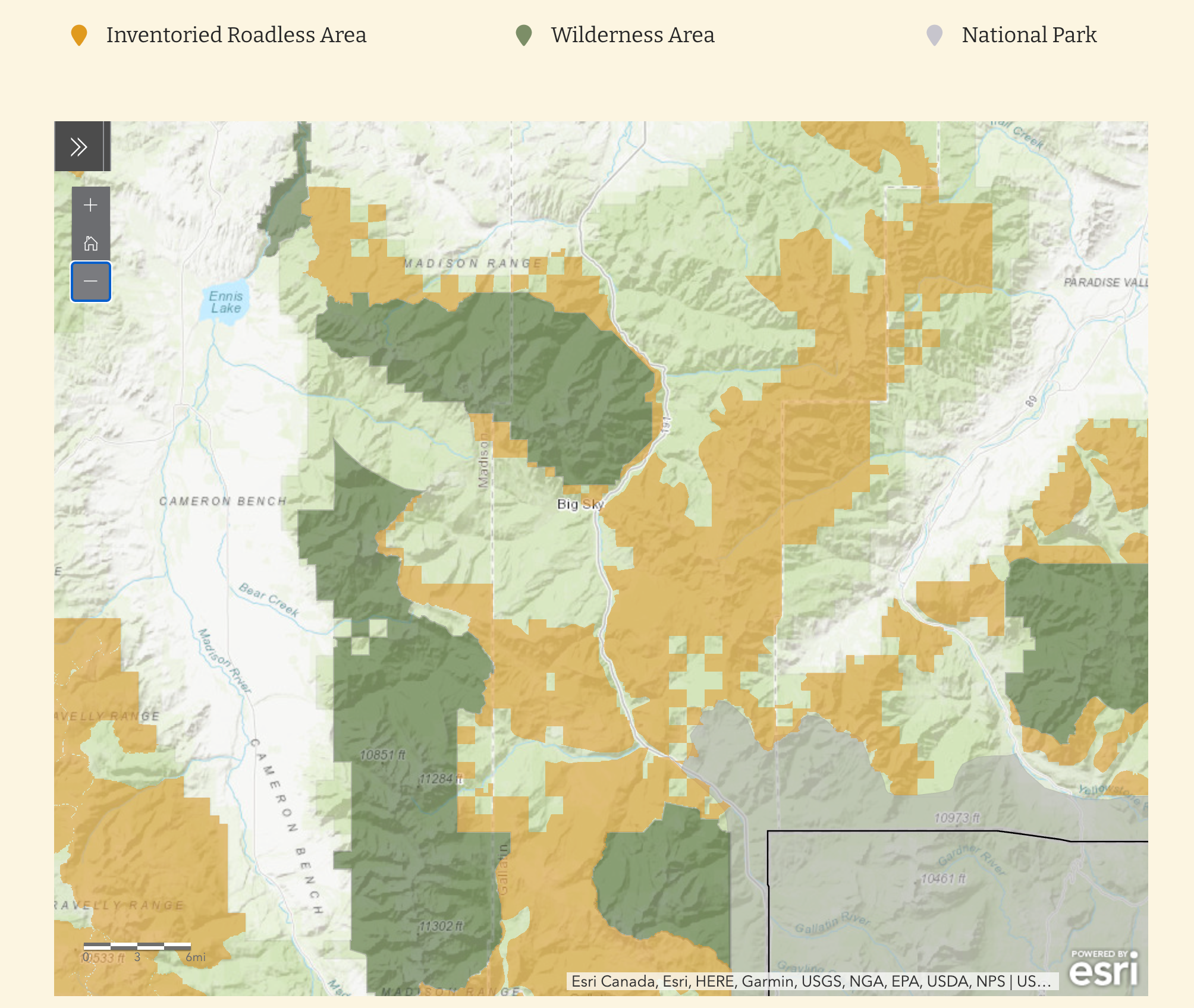
For Big Sky, the proposal could affect “inventoried” roadless areas within the Custer Gallatin and Beaverhead-Deerlodge national forests. Though the nearby Lee Metcalf Wilderness won’t be impacted because it’s protected separately under the Wilderness Act of 1964, adjacent roadless lands still play an important role. Forests untouched by roads connecting wildlife habitat, protect the watershed and support the ecological health of the larger landscape.
What is the roadless rule?
The 25-year-old rule generally prohibits new road development, road reconstruction and commercial timber harvesting on plots of national forest land, with limited exceptions. It does not prohibit recreation, grazing, wildfire suppression, prescribed fire or vegetation management.
Roads may still be constructed or reconstructed in certain circumstances, including when needed to protect public health and safety. The rule also allows some timber removal to improve habitat, reduce hazardous fuels or restore ecosystem health.
The current federal proposal would remove those nationwide restrictions and shift decisions about road construction and timber harvesting to individual forest plans and local Forest Service officials. Rescinding the rule would not immediately authorize a road or logging project. Plans for roads would still need to comply with the applicable forest plan, the National Environmental Policy Act and other federal laws. It would, however, remove a national layer of protection that currently applies to inventoried roadless areas.
To better understand what the proposed change could mean for Big Sky, we turned to our trusted local experts in wildfire, water and ecosystem health.
Wildfire management: Roads add access, and ignitions
Wildfire is among Big Sky’s most pressing concerns, and it is central to the debate over the roadless rule.
Supporters of rescinding the rule argue that additional road access could help land managers conduct mechanical thinning, remove hazardous fuels and reach fires more quickly. Roads can provide access, potential control lines and tactical advantages for firefighters. They also bring more vehicles, equipment and people into previously inaccessible areas, increasing the potential for human-caused ignitions.
The Big Sky Fire Department emphasizes that preventing those ignitions is an important part of community safety. “Over 75% of wildfires in Montana are human-caused,” the department states in its wildfire-preparedness guidance. Wild Montana reports that more than 90% of wildfires begin within half a mile of a road. BSFD Wildland Fire Chief Jon Trapp emphasized there are other ways to ensure public safety outside of building roads.
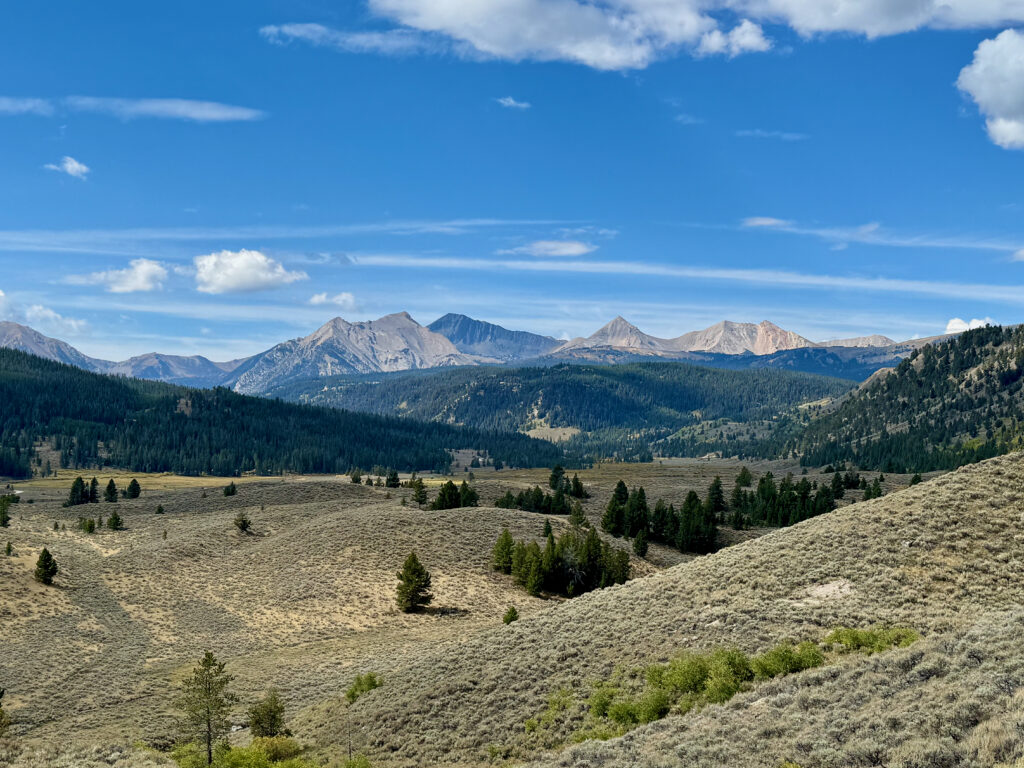
“Road access can be an important tool when it comes to fighting wildfire. However, the likelihood of human-caused ignitions increases substantially near roads,” Trapp said. “There are other methods available to reduce wildfire impacts without opening new roads across the landscape.”
A peer-reviewed 2026 study published in “Fire Ecology” examined three decades of wildfire records across national forests in the contiguous United States. Researchers found that wildfire ignitions were nearly four times as dense within 50 meters of a road as they were in inventoried roadless areas. More roads would likely lead to more fire ignitions, the study concluded.
“These fires will, on average, be smaller than fires farther from roads, but there will be more of them, and some of them will grow to become large fires. Nevertheless, both roads and roadless areas can contribute to strategic, landscape-scale fire management,” the article states.
Water quality struggles with more development
The forests surrounding Big Sky form the headwaters of the Gallatin and Madison river systems. Snow and rain falling across these landscapes eventually flow into streams, groundwater and drinking water supplies used in Big Sky and downstream communities.
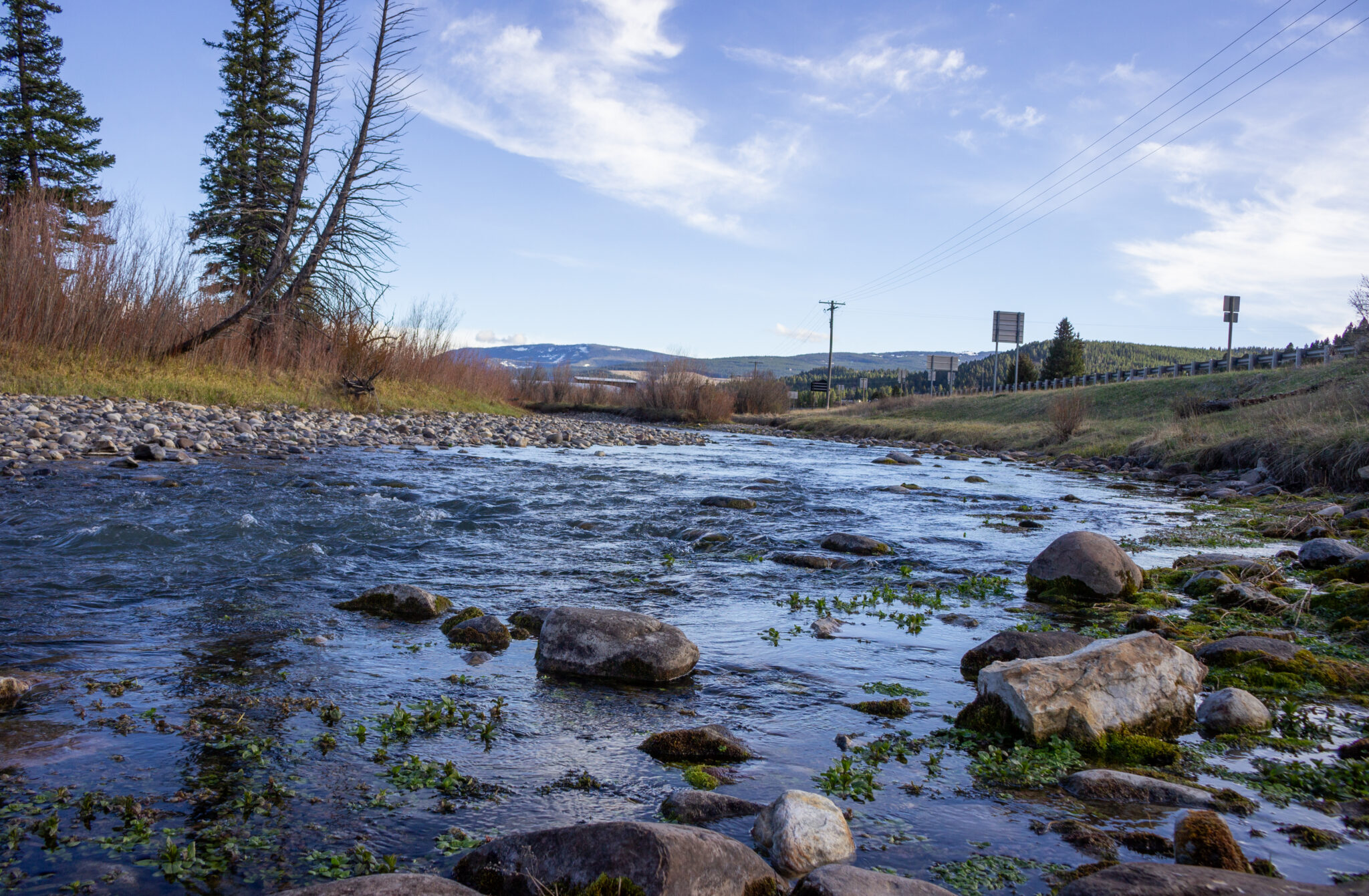
Road construction can alter drainage patterns, increase erosion and carry sediment and nutrient pollution into waterways. New roads and timber harvesting also disturbs vegetation and streams, affecting water temperature and fish and aquatic insect habitat.
Native trout are especially sensitive to these changes since they rely on trees and other vegetation for thermal cover. American Rivers reports that five of the eight western native trout species rely on roadless areas for more than half of their habitat.
The health of the Gallatin River, our drinking water and our world-class fisheries all depend on keeping the mountainous areas surrounding our community intact. The roadless rule is one of the few tools to protect these critical assets.
Wildlife connectivity and ecosystem health
Roadless lands also support wildlife and the health of the larger ecosystem. Connected areas of undeveloped habitat allow elk, deer, bears and other species to move between seasonal ranges, find food and shelter and avoid concentrated human activity.
These connections are particularly important in the Greater Yellowstone Ecosystem, one of the largest nearly intact temperate-zone ecosystems on Earth. Fragmenting habitat with new roads can disrupt wildlife movement, while increased traffic and human activity can displace animals from otherwise suitable homes. According to Jen Mohler, executive director of Grow Wild, roads also introduce a further threat from noxious weeds.
“More roads mean more opportunities for noxious weeds to spread,” Mohler said. It’s the perfect storm: vehicles, gear, people and animals can carry seeds, and construction could disrupt the soil, leaving bare dirt ideal for invasive plants.
“Once introduced, noxious weeds can spread rapidly along these corridors, displace native vegetation, degrade wildlife forage, increase erosion and fundamentally alter the ecological function of the landscape. What begins as a single introduction can become an entrenched, landscape-scale problem that is costly—and sometimes nearly impossible—to reverse,” Mohler said.
Taking action
In Big Sky, clean water, healthy forests and connected wildlife habitat support more than recreation; they are foundational to our local economy, and our ability to adapt as wildfires and extreme weather become more common. Protecting these interconnected systems is essential to our community’s future.
As the Forest Service considers the proposed repeal, submitting a public comment is one of the most direct ways to place local concerns in the official record. Public comments are open until Oct. 6 at 11:59 p.m. EDT.
Public comments can be submitted online here. Big Sky SNO has created guidance for making public comments and provided additional resources.
Kristin Gardner is the chief executive and science officer of the Gallatin River Task Force. Lizzie Peyton is the director of Big Sky Sustainability Network Organization.