
By Mel Crichton EBS COLUMNIST
If you think this winter’s snowfall has been light, you are not alone. Fuels at lower elevations are already drying out, and wildfires have sprouted across Montana. If the trend continues and we’re met with some bad luck, Big Sky could be in for a wild ride this summer. Here are a few things you can do now to prepare.
The most important thing is to sign up for phone alerts from Gallatin County, via the Everbridge system. Big Sky residents in Madison County should also sign up here, since evacuation routes could be via U.S. Highway 191. The link above takes you to enrollment, and you will receive push alerts based on your location, even if regular phone lines are overloaded.

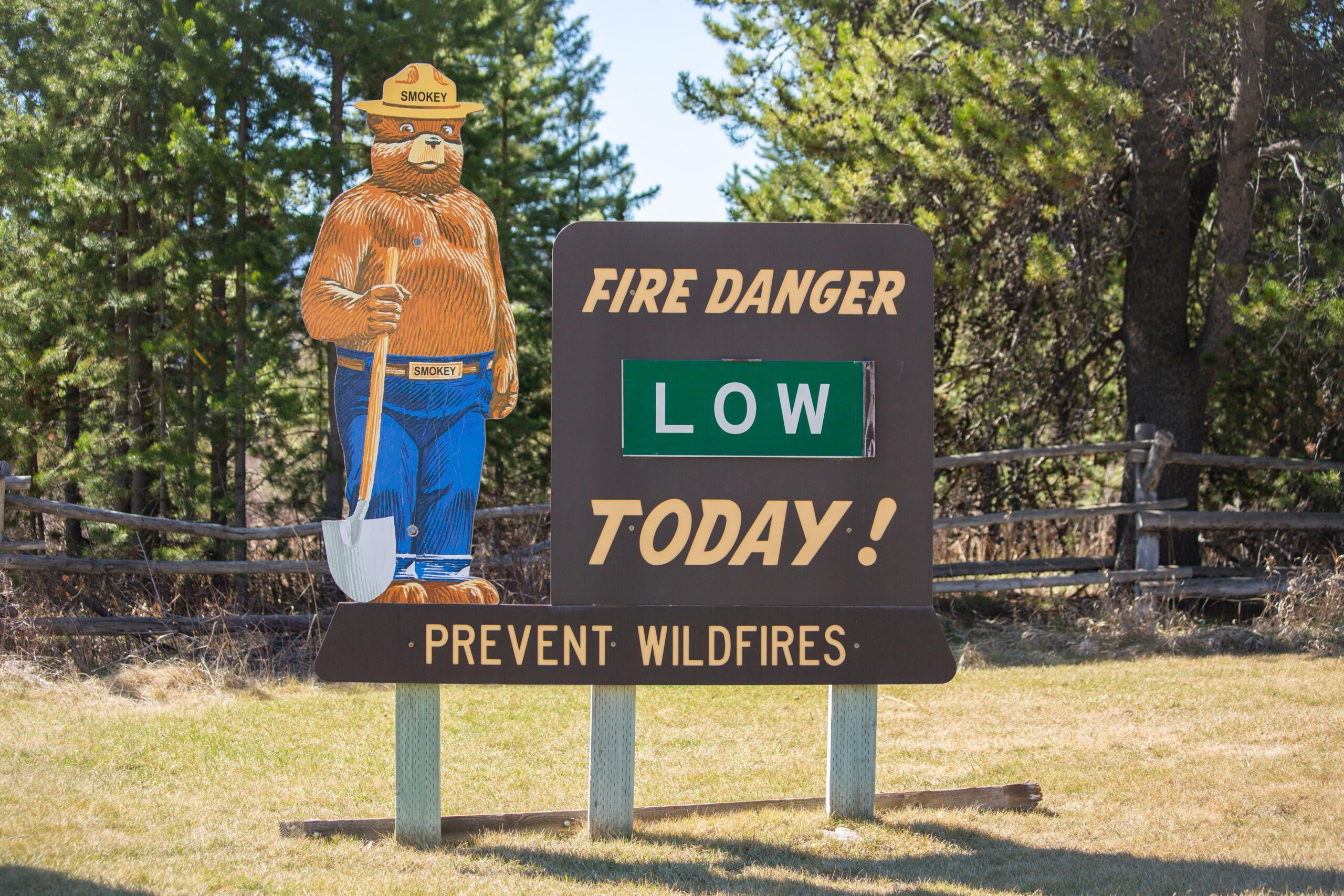
If you are ordered to evacuate, you should have your “go kit” packed and ready to move. Kit items include food, medications, pet supplies, battery radios, flashlights, family valuables and whatever else you might need for “roughing it” for at least three days. Move flammable outdoor furniture into the house. Assess your neighborhood egress routes, and keep tabs on elderly or disabled neighbors who might need assistance. When fire danger signs reach “HIGH,” keep your car’s gas tank at least half full. And if you can’t evacuate out of town, know your safe refuge sites—large parking lots, golf courses, BASE.
The leading cause of home losses in wildfires is flying embers, or firebrands, often from miles away. Now that the snow is disappearing, it’s a good time to take a few simple steps to prepare your home for embers. Number one priority is to remove flammables within 5 feet of structures. This includes wood mulch—replace it with stone or gravel. If your firewood stack is within 30 feet of a building, it could easily ignite from flying embers and, due to the high heat produced, ignite structures.
It’s a good time to clean the gutters of flammable pine needles and rake debris away from the house. Flammable bushes like junipers can ignite your siding or break your windows with their heat, so keep them at least 5 feet from the house. If you can, cover open attic and crawlspace vents with a metal screen, one-eighth inch or finer, to keep embers out of your home. And keep flammables from under decks. If the deck goes, the house won’t be far behind.
There are more steps you can take to help your home—and your family—survive a wildfire. For example, you can hire contractors to help you clear flammables; they’re listed on the Build Better Big Sky website. For more detail, you can visit the Fire Adapted Big Sky Wildfire Hub website, talk to your neighborhood wildfire ambassador, or contact me via the email below.
And pencil in June 29 on your calendar for the Big Sky Wildfire Film Fest, a free public event at The Waypoint with educational and Hollywood film presentations.
If you’d like to help finance our Fire Adapted Big Sky awareness campaign, tax-deductible donations can be made through our sponsor, the Big Sky Rotary Club. Just choose the option for wildfire education to donate via PayPal or Venmo.
That was just a high-level overview to help you plan for the worst, but you can get more detail at the Wildfire Hub website or by contacting your neighborhood ambassador or me. For our next article in May, Wildlands Fire Chief Jon Trapp will summarize our 2026 wildfire forecast.
Mel Crichton acts as neighborhood ambassador coordinator for Fire Adapted Big Sky. He may be reached at kj9c@comcast.net.