
By Ali Chipouras EBS COLUMNIST
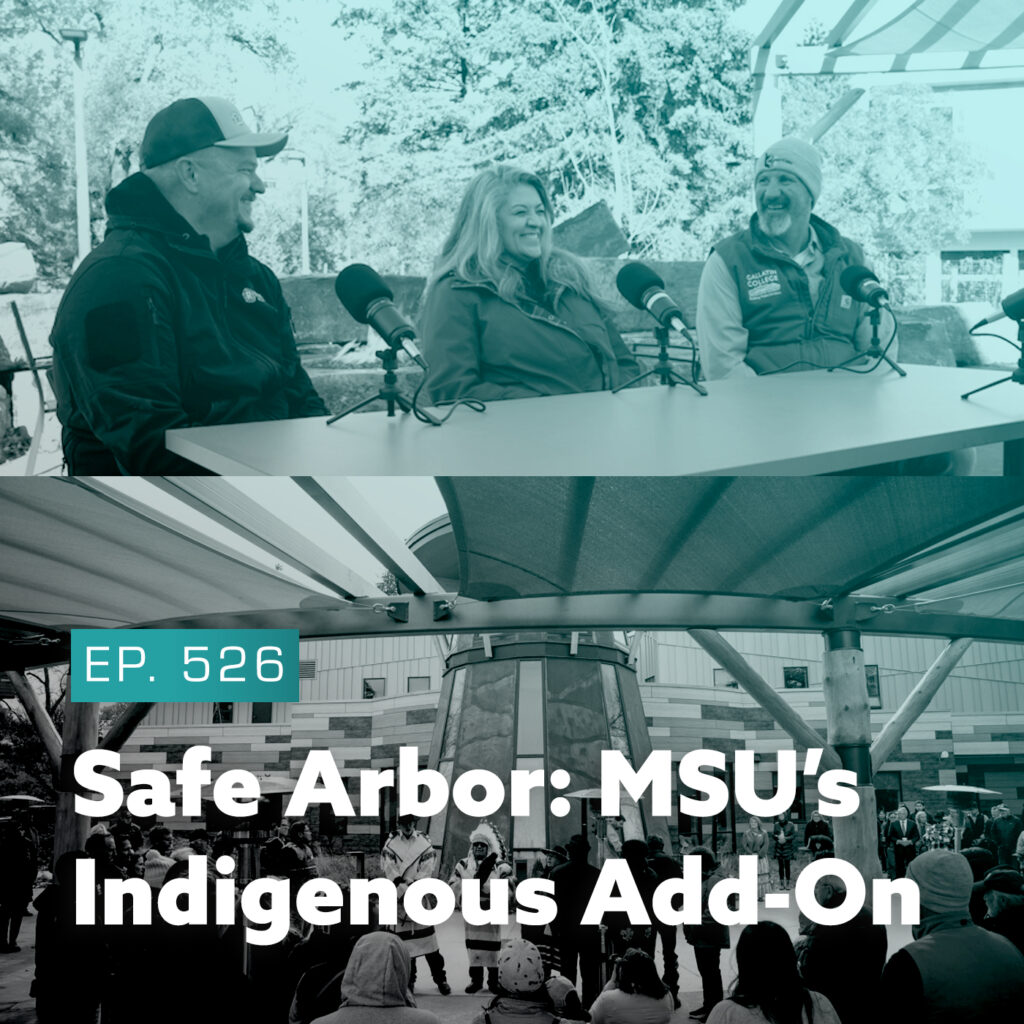
The low snowpack and warm temperatures across the West this year have drought and wildfire on many people’s minds. On a recent episode of the Outlaw Beat Podcast, Big Sky Fire Department’s Wildland Fire Division Chief and Alpenscapes partner Jon Trapp discussed the outlook for the 2026 wildfire season, noting that snowpack, spring rain, warming temperatures and drought all play a role in shaping wildfire conditions.
“It’s definitely looking like conditions are in alignment for a big fire season,” Trapp said.“Whether or not it’s coming for us… will depend on how we have prepared.”
In the Big Sky region, summer property maintenance is about more than having a beautiful garden. It’s about protecting your home and neighbors, supporting the surrounding ecosystem and helping build a more resilient community.
Start with defensible space and wildfire preparedness
Spring and early summer are ideal times to evaluate your property for wildfire risk and make changes before conditions become hotter and drier. One of the most important concepts in wildfire preparedness is defensible space: the buffer between your home and the surrounding vegetation that helps slow or reduce wildfire spread.
Even small preparations, like clearing needles from corners of decks or moving wood piles away from the home, can help reduce risk during a wildfire event. Landscaping decisions such as keeping plants closest to the home healthy and well-watered can also help reduce vulnerability.
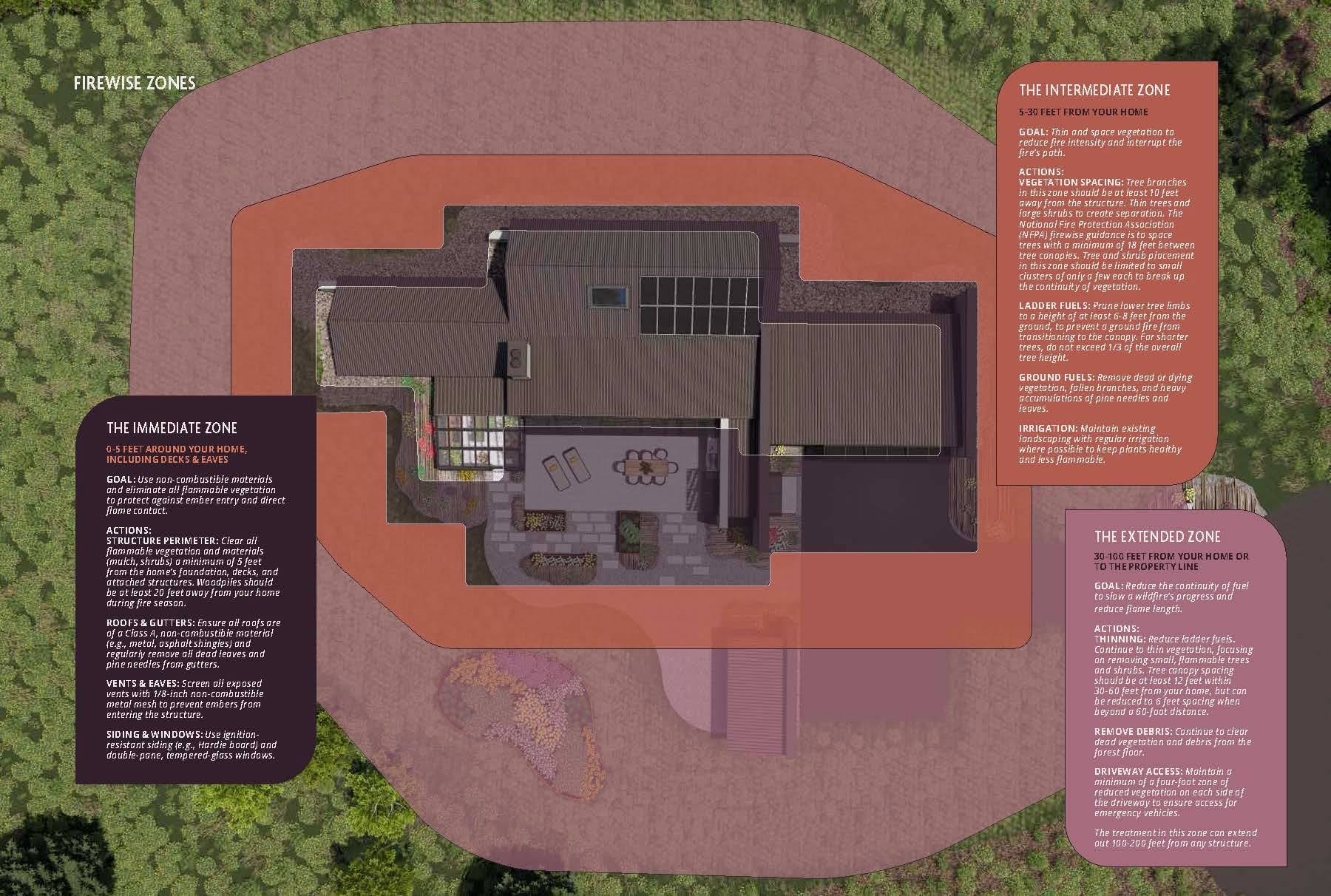
The Alpenscapes Guidebook, a free, easy-to-use landscaping resource, includes information on defensible space, landscaping zones, plant selection and ways to create landscapes that are both wildfire-resilient and appropriate for Big Sky’s alpine environment.
Property owners can also schedule a free site visit with BSFD to better understand wildfire risks around their home and identify practical steps for improving defensible space and preparedness. Additional resources, including the Big Sky Wildfire Action Guide, are available through the Big Sky Wildfire Hub.
Water efficiently
Between March and April 2026, drought conditions in Big Sky worsened from moderate drought to severe drought according to the U.S. Drought Monitor. To stay updated on current drought conditions, visit the Gallatin River Task Force’s Drought Status page.
Each year, water demand in Big Sky increases by nearly 160% from July through September due to outdoor irrigation, making landscape watering one of the community’s highest summertime water uses.
To help reduce your water usage before the peak season arrives, inspect irrigation systems for leaks, broken sprinkler heads, or inefficient spray patterns. These seemingly small issues can result in significant water loss over the course of a summer. Watering before 8 a.m., avoiding irrigation during or after rainfall, incorporating drip irrigation, drought-tolerant plants and rock gardens can all help reduce water use while supporting healthier, safer landscapes.
If you’re planning new landscaping projects this year, consider incorporating more native or drought-tolerant species adapted to Big Sky’s alpine climate. Property owners can also schedule a free water efficient landscape assessment with the Gallatin River Task Force to identify opportunities for improving irrigation efficiency and reducing outdoor water use.
Watch for noxious weeds
Summer is also the time invasive weeds begin to emerge across the region, and catching them early can help prevent larger infestations later in the season. Property owners can learn more about common invasive species through Alpenscapes resources or schedule a free site visit with Grow Wild to help identify weeds on their property.
Plant native
If you’re planting this summer, plant native. If you want to start planting now, consider using established native plants from a local nursery or the Grow Wild native plant sale fundraiser. Fall is often the best time for seeding native wildflowers, as it mimics natural growing cycles and can improve germination rates. Established plants are more suited for planting in the spring.
Think beyond your property lines
Preparing your property for summer is also an opportunity to think about how individual actions contribute to the broader Big Sky community. Healthy landscapes, wildfire preparedness, water conservation and resilient homes all play a role in protecting the place we live, work, and recreate. Check out Alpenscapes.org for more resources.
Ali Chipouras, writing on behalf of Big Sky’s Alpenscapes, is a sustainability and communications consultant helping organizations and communities in Montana advance their climate, resilience and communication goals.