


By Abby Butler EBS COLUMNIST
It’s not uncommon for someone to tell the Grow Wild team that they wished they’d never learned to identify noxious weeds because now it feels like everywhere they look, there one is. Odds are good that we’ll respond with “once you see, you can’t unsee”.
While our goal isn’t to taint your nature excursions with visions of oxeye daisy, we can’t help but feel satisfied that there’s another person in Big Sky who can’t ignore the presence of noxious weeds.

According to the Montana Department of Agriculture, noxious weeds are invasive plants that outcompete native vegetation, reduce biodiversity, degrade wildlife habitat, and negatively impact agriculture, water resources and recreation. If you’re not tuned in to the pulse of the noxious weed world, you might not know that June 7-13 is Noxious Weed Awareness Week. This statewide campaign is organized annually by MDA’s kNOweeds program to raise public awareness about the impact of noxious weeds and to empower Montanans with actionable steps to prevent their spread. In honor of that week, we’re highlighting three noxious weeds that are newly emerging threats in Montana and outlining what you can do to prevent them from establishing in Big Sky.
Rush skeletonweed

Rush skeletonweed is a deep-rooted perennial—meaning it returns year after year—and spreads rapidly by airborne seeds and underground shoots. Its roots can reach over six feet deep, making management especially difficult. A high-priority species, this weed is new to Montana, and we’re keen to keep it from spreading.
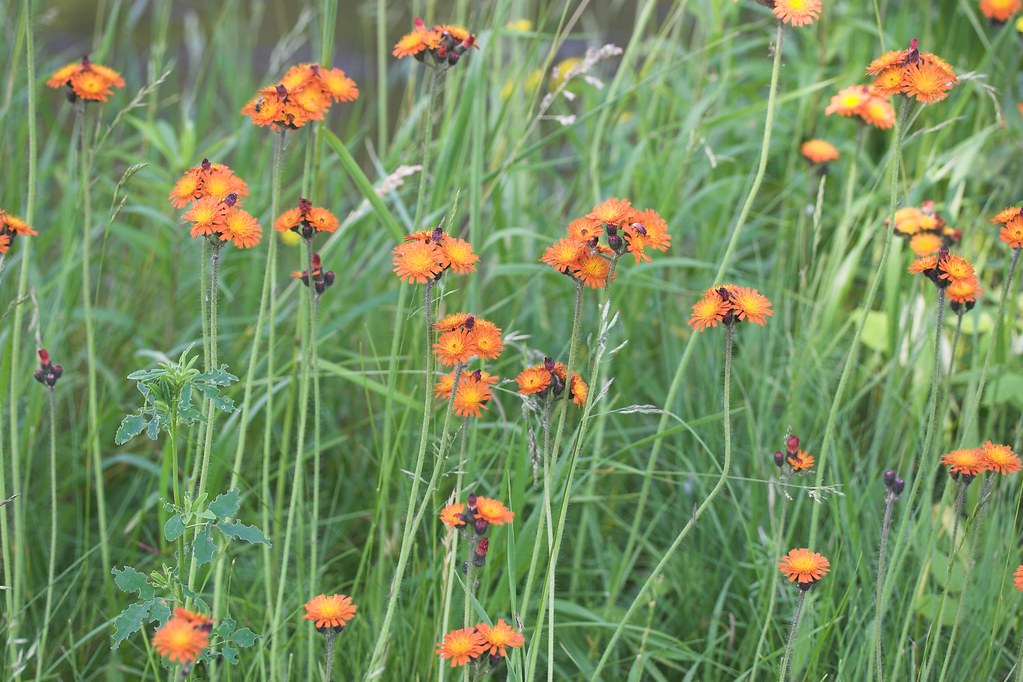
Orange hawkweed
Another noxious weed to keep at bay, orange hawkweed is a perennial that reproduces by seed and rhizomatously. In other words, orange knapweed benefits from an underground creeping root system, capable of forming extremely dense mats that choke out all other vegetation. This is one weed we don’t want here. Key to differentiating it from other native hawkweeds are the short and stiff black hairs covering the stem.
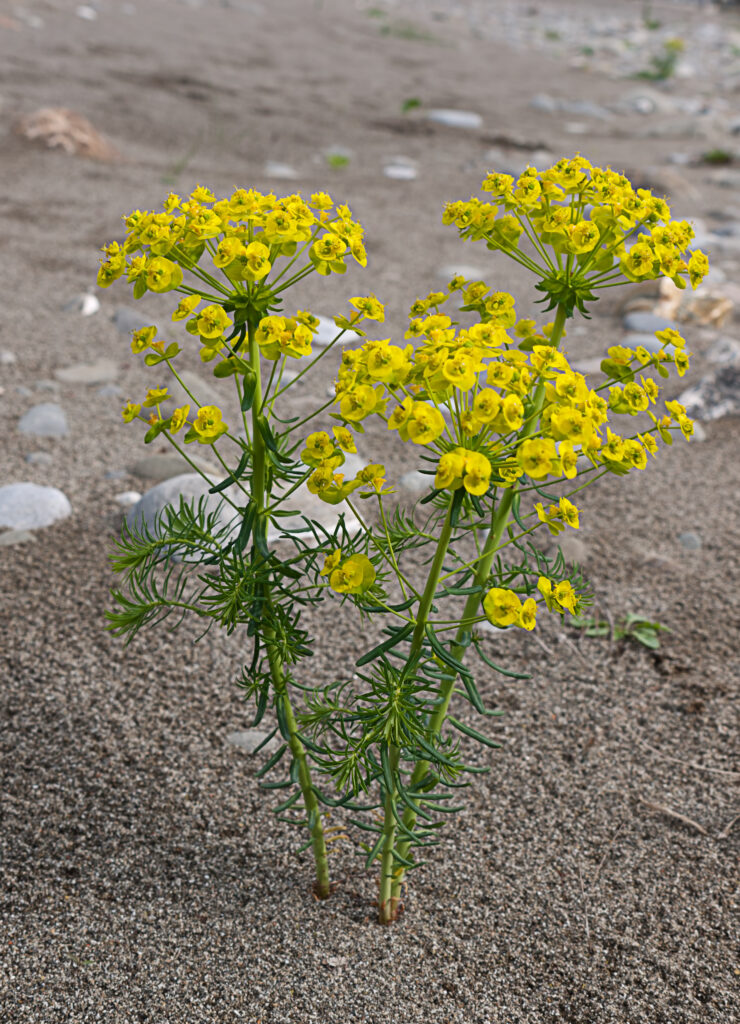
Leafy spurge
While not a new noxious weed, leafy spurge has yet to get a foothold in Big Sky, and we’d like to keep it that way. Known as one of the most challenging noxious weeds in the state, this perennial has both an extensive, deep root system and seeds that can be expelled up to fifteen feet from the source. It can also regenerate from tiny root fragments, making hand-pulling ineffective.
Now that you’ve been initiated into the noxious weed club, what can you do to ease the suffering?
Report noxious weeds and pull when certain
Reporting new weeds prevents them from spreading further into rangelands, recreation areas and private property. Contact your local county Weed District in Gallatin County or Madison County. Snap a picture and make sure to send them your coordinates with it. A single report can prevent years of future spread.
Next, pull those weeds! Identification is key here. Only pull when you are 100% sure something is noxious. You can get confirmation from a trusted resource like a weed district or Grow Wild.
Schedule a free landowner site visit
Worried about the weeds encroaching onto your property from your neighbor? Or not sure what the plants growing in your yard even are? We’re here to help. Site visits for Big Sky landowners are free and highly effective tools to ease the existential dread brought on by spotting a Canada thistle from your kitchen window.
Practice PlayCleanGo
Whether you’re a biker, hiker, trail runner or avid meanderer, you can prevent the spread of noxious weeds on your favorite trails and public lands. Noxious weed seeds can stow away in mud on your tires and boots, and even in the fur of your dog. Take extra care to clean your gear and furry friends after a day on the trail so you don’t bring an unwanted gift to the next trailhead of your choice.
It’s important to recognize that while we’re all part of the noxious weed problem, we can all be part of the solution. We hope these resources leave you feeling a bit more hopeful about your place in the collective effort to manage noxious weeds in Big Sky.
Abby Butler is the conservation program coordinator at Grow Wild.