

By Kristin Gardner and Jade Allison GUEST COLUMNISTS
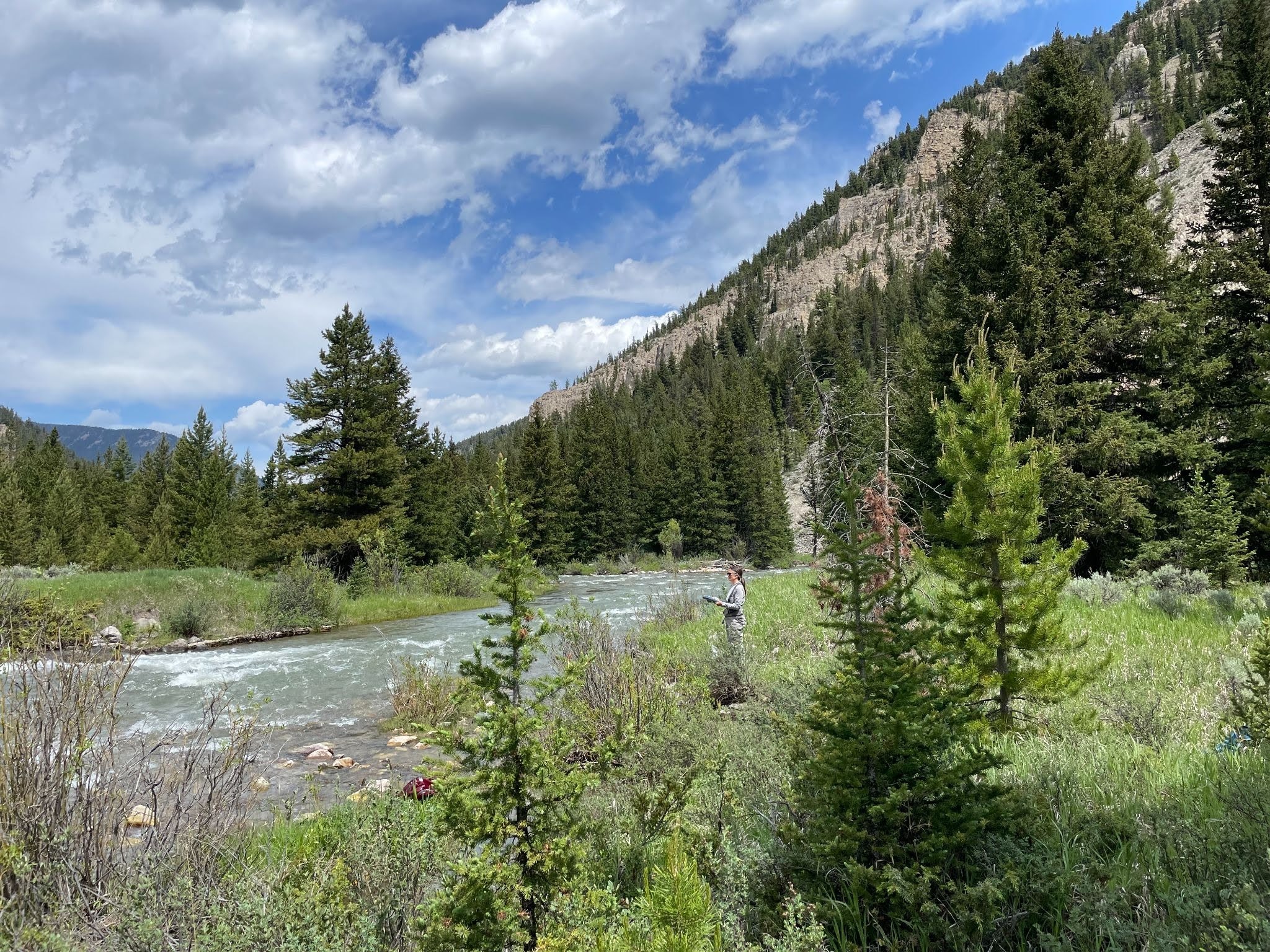
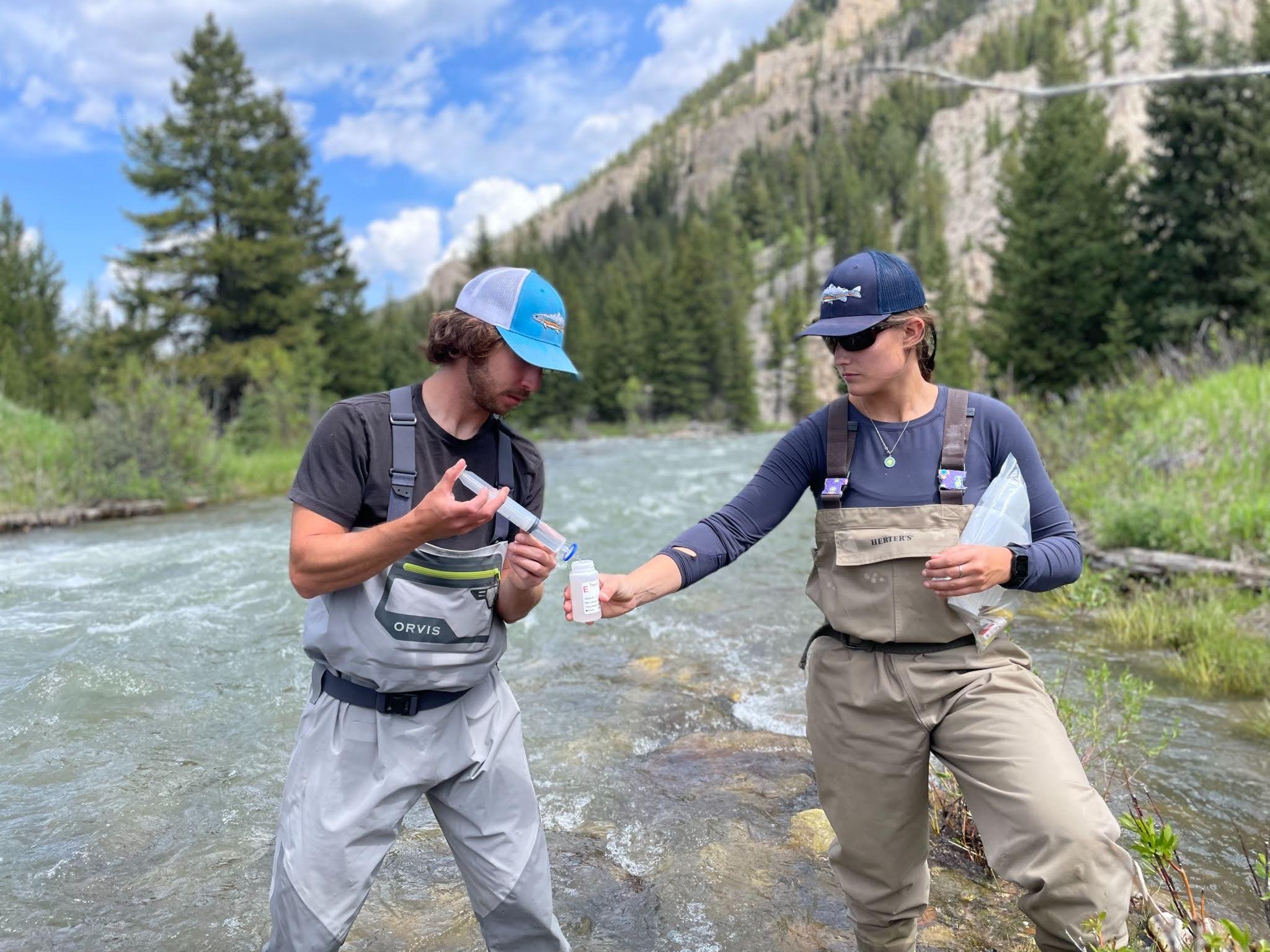
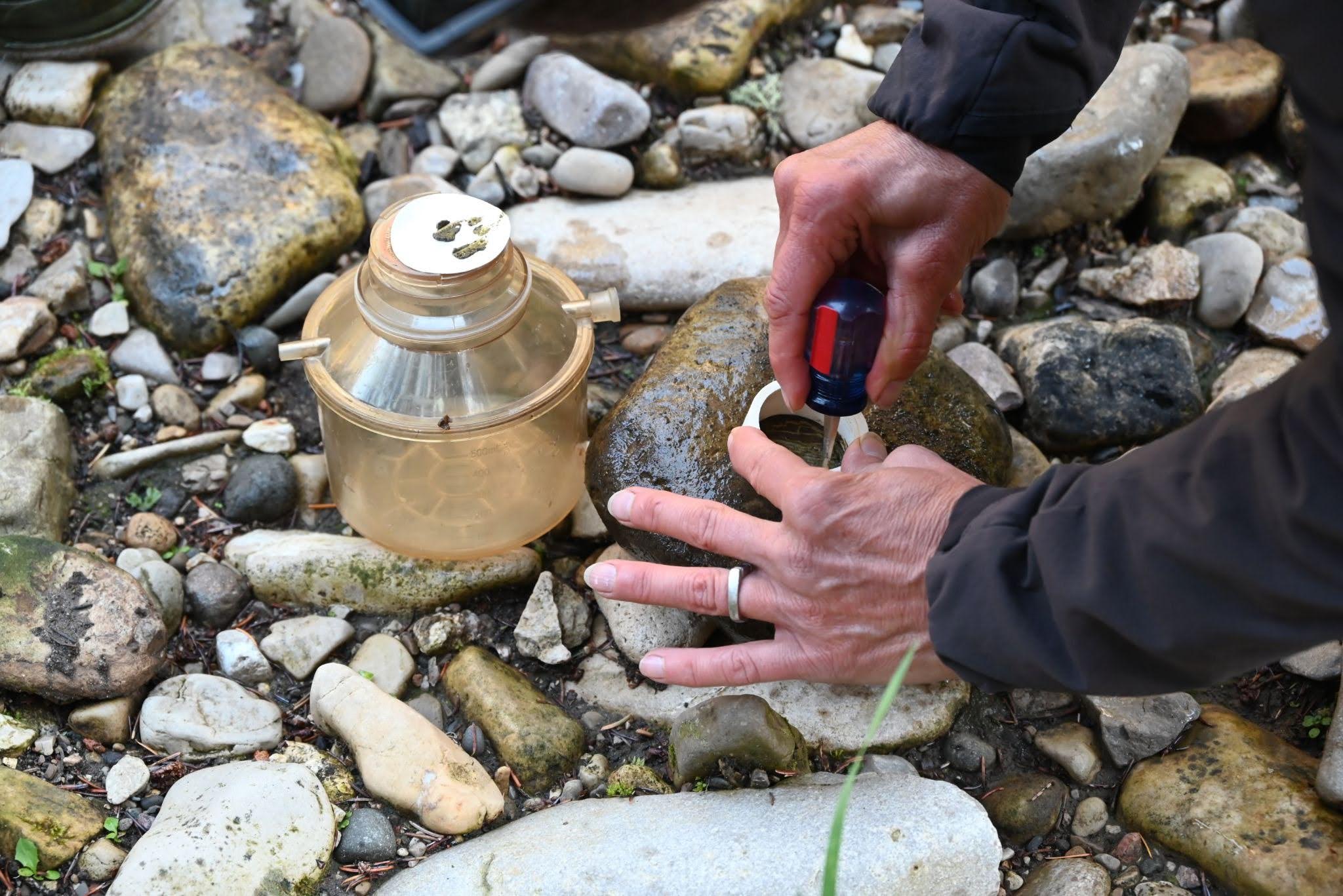
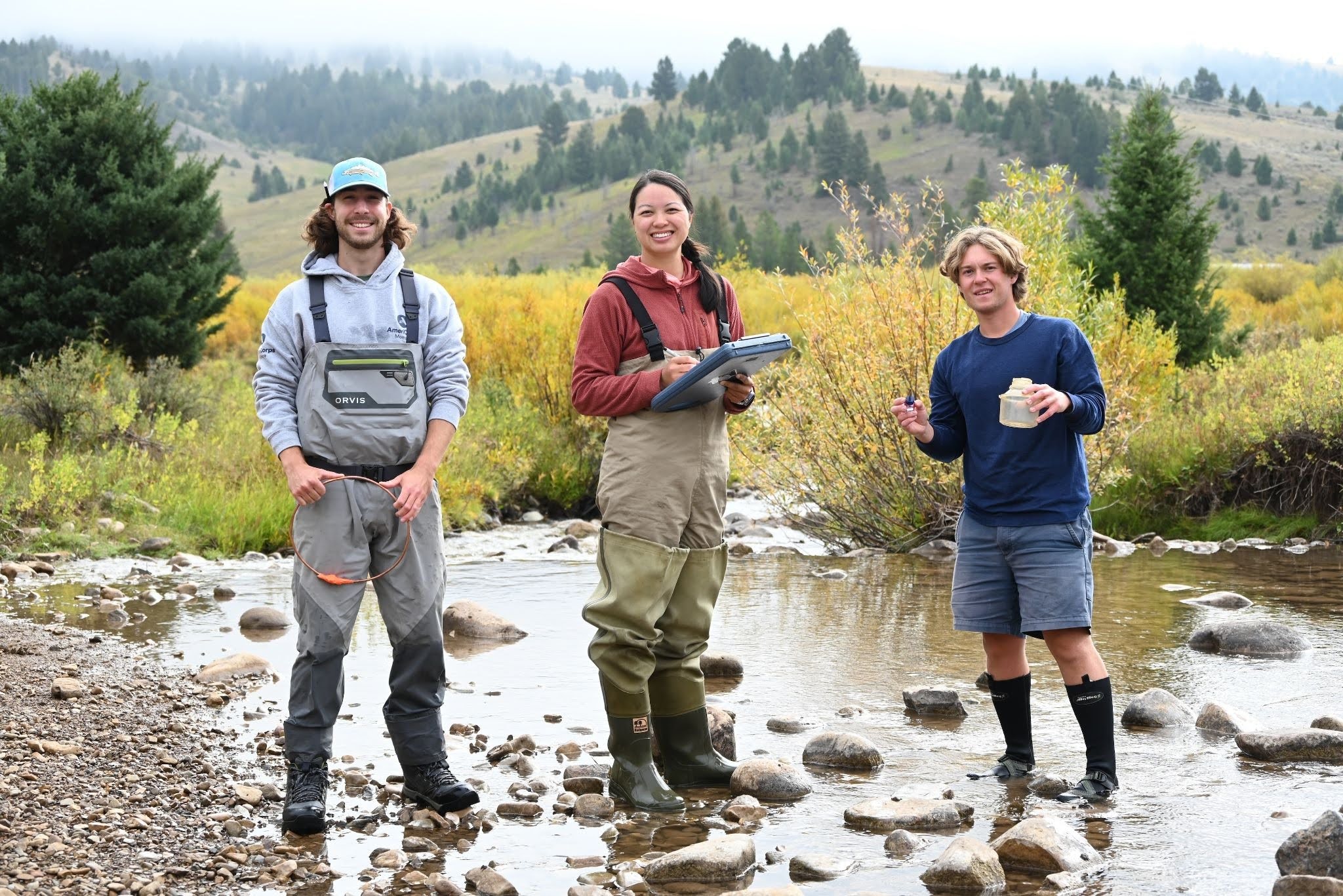
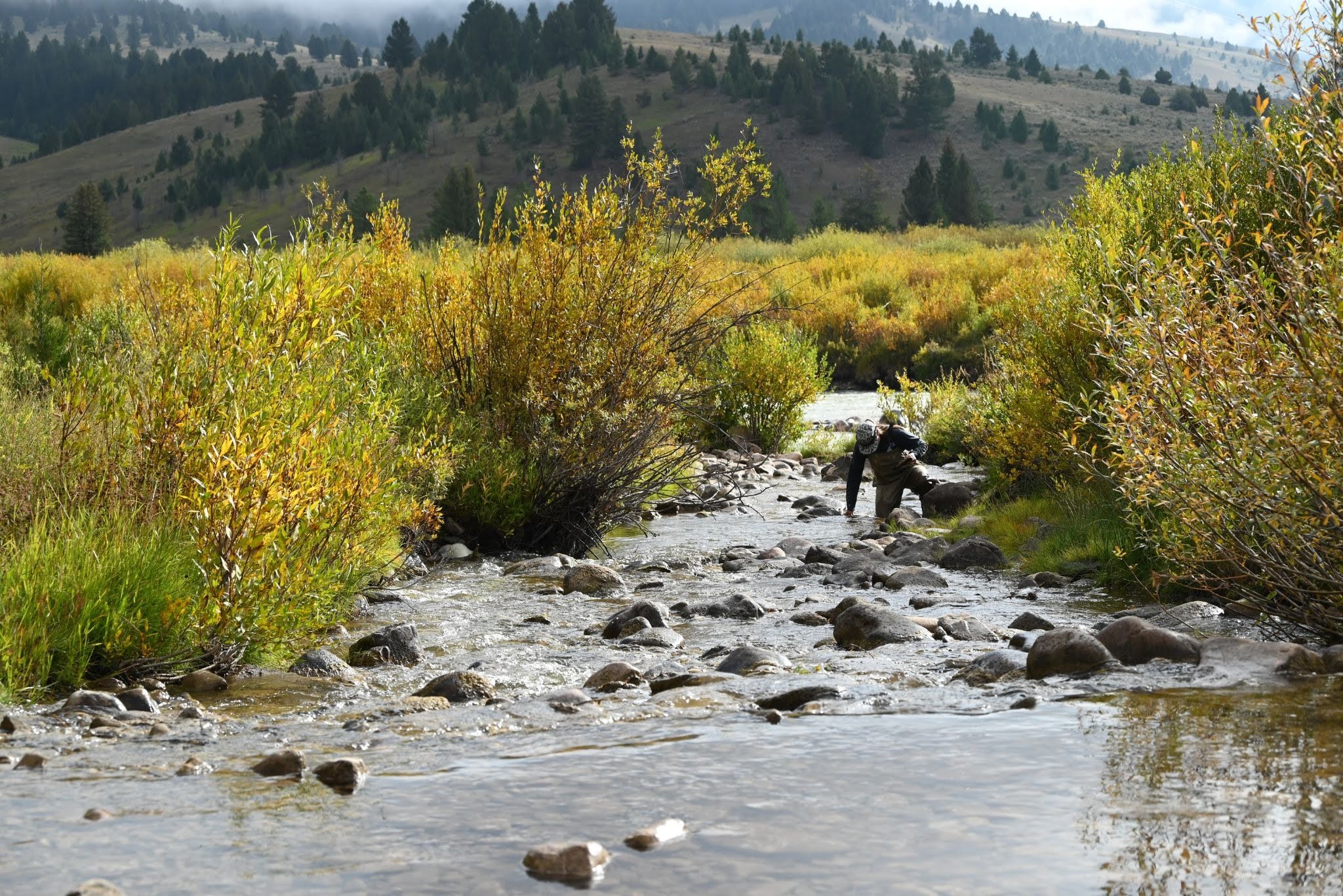
Every year since 2000, the Gallatin River Task Force has collected critical water data to track trends, identify issues and guide restoration and water management decisions. Donning waders and equipped with handheld water quality computers, flowmeters and laboratory sample bottles, our team—led by Chief Executive and Science Officer Kristin Gardner, Big Sky Watershed Corps members and dedicated volunteers—has tracked metrics like pH, dissolved oxygen, temperature, nutrients and streamflow that tell us more about the water quality and quantity in the Gallatin River and its tributaries. Check out this video to get a glimpse of our monitoring in action.
The specific parameters of the testing vary depending on the goals, recent observations and funding. In general, we are looking at specific scientific markers in the makeup of the water along with the measurement of overall flows to help gain insight on the current and future health of the river. We use these insights to inform our work to protect and restore the Gallatin and its associated water resources, with a recent focus on tracking and preventing nuisance algae blooms.

By these metrics, the summer of 2025 provided all the ingredients for an ecological perfect storm for algae growth on the Upper Gallatin River. From our experience monitoring the river on an annual basis, we know that low streamflows and warm water temperatures lead to recurrent algae blooms, more often than not. A warm spring, early snowmelt and an abnormally hot July would be expected to create the exact combination that historically triggers large-scale nuisance algae blooms.
Yet, against the odds, in 2025, the mainstem of the Gallatin remained clear.
While that is a positive outcome, it is not a sign that the river is out of the woods. Instead, the 2025 monitoring season—which marked the final year of an intensive five-year partnership with the Montana Department of Environmental Quality—revealed a highly complex, fragmented reality. The main stem may have been spared, but three major tributaries—the South Fork, Taylor Fork and Beaver Creek—all presented algae levels that exceeded state thresholds.
As we look at the data, the lesson of 2025 is clear: the science behind the Gallatin River is complex, and our efforts to protect it must adapt to specific conditions. What our testing and results show us is that all areas of the Gallatin’s mainstem and tributaries continue to be nuanced, responding to environmental factors differently. Essentially, the annual water quality monitoring report highlights a stark contrast between the main stem and its tributaries, suggesting that continued research is needed to determine algae bloom causes wherever, and whenever, they are occurring.
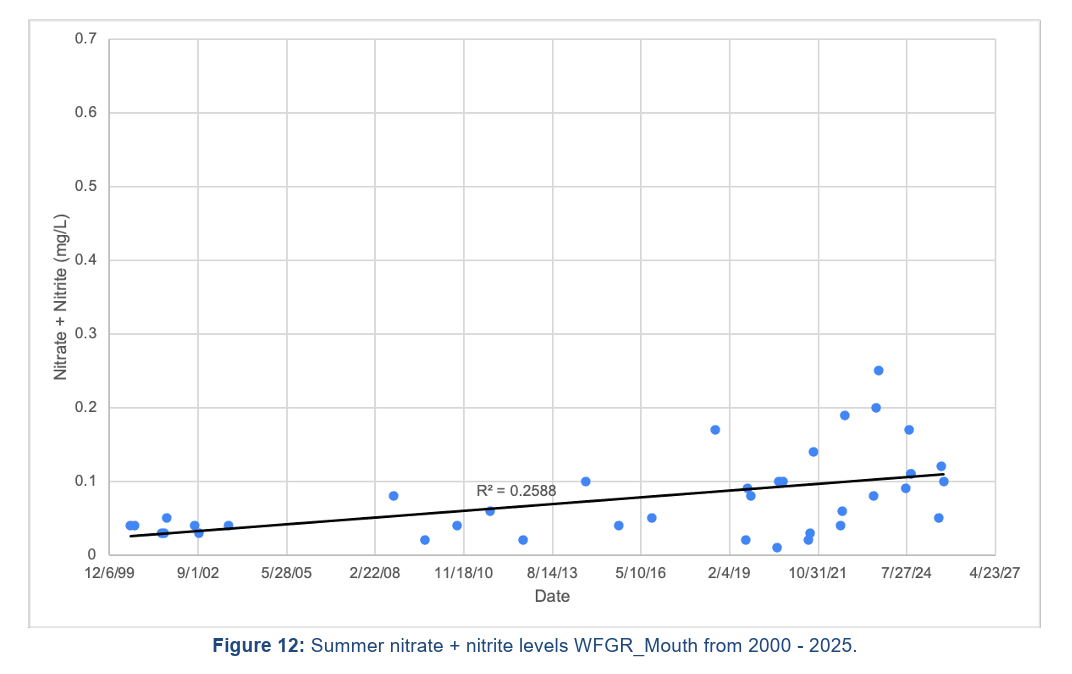
This past year of monitoring told us that despite the late-summer low flows and hot summer temperatures, something was missing to trigger a nuisance algae bloom on the Gallatin’s main stem. However, the tributaries told a different story. Downstream of Meadow Village in the West Fork of the Gallatin, nitrogen levels continue to be higher than state thresholds, underscoring a known reality that humans are actively shaping the river’s chemistry.
With the DEQ’s intensive algae study wrapping up, the Task Force is shifting its strategy, but will continue to diagnose the broad factors of algae growth and target localized sources of the problem while maintaining our core long-term monitoring sites because we cannot manage what we do not measure. By targeting localized nutrient loading, we can better design projects aimed at reducing nutrients, augmenting streamflows, lowering water temperatures and keeping the mainstem healthy.
The Gallatin is resilient, but it is also giving us a clear warning. It is our job to use these insights to inform proactive protection, focused restoration and continued monitoring programs. Protecting the Gallatin River requires a collective community effort from both the locals who call Big Sky home and the visitors who come to enjoy the unique Montana experience that includes its pristine waters.
The full 2025 data and a shorter summary are available on the Task Force’s website for anyone interested in tracking these trends over time. Please reach out to our team with your questions or to see how you can get involved. Let’s work together for a clean, healthy and beautiful summer for the Gallatin—in 2026 and beyond.
Kristin Gardner is the Chief Executive and Science Officer of the Gallatin River Task Force.
Jade Allison is a 2026 Big Sky Watershed Corps member with the Gallatin River Task Force.