

By Emily O’Connor GUEST COLUMNIST
Caring for the Gallatin River
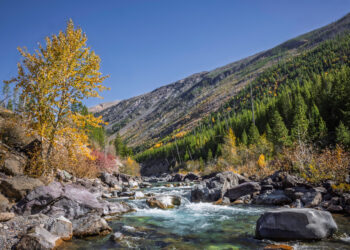
If you have fished, floated, hiked along its banks or simply caught a glimpse of the Gallatin from the road, you know there is something special about this river. It is a place of recreation and refuge, a home for fish and wildlife, and a source of clean water for the communities that depend on it. It is also part of what makes southwest Montana feel like home. Keeping the Gallatin River healthy takes more than appreciating it. It takes constant care and a willingness to notice where the river is changing. And it takes action before small problems become larger ones.
The Gallatin River is experiencing pressure from many directions. Community growth and development are changing the landscape, recreation is bringing more people to the river, and shifting environmental conditions are contributing to lower flows, warmer water and other challenges. Some of these changes are easy to see. Others happen gradually, beneath the surface.

In recent years, we have seen both. Large algae blooms occurred on the Upper Gallatin in 2018, 2020 and 2022, and the Montana Department of Environmental Quality designated that stretch of river as impaired for nuisance algae in 2023. While the Upper Gallatin did not experience a large algae bloom in 2024 or 2025, excessive algae was observed in several tributaries, including the Taylor Fork, South Fork and Beaver Creek. We can also see the effects of increasing recreation in more immediate ways: eroding streambanks, trampled vegetation, visitor-created trails, and places where vehicles and people have gradually worn away the river’s edge. These impacts are part of the Gallatin River’s current reality and the reason why protecting the river requires proactive action.
Restoration in action
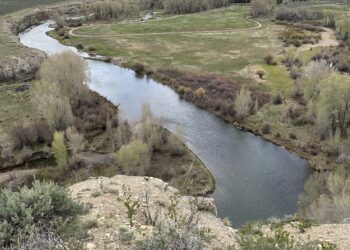
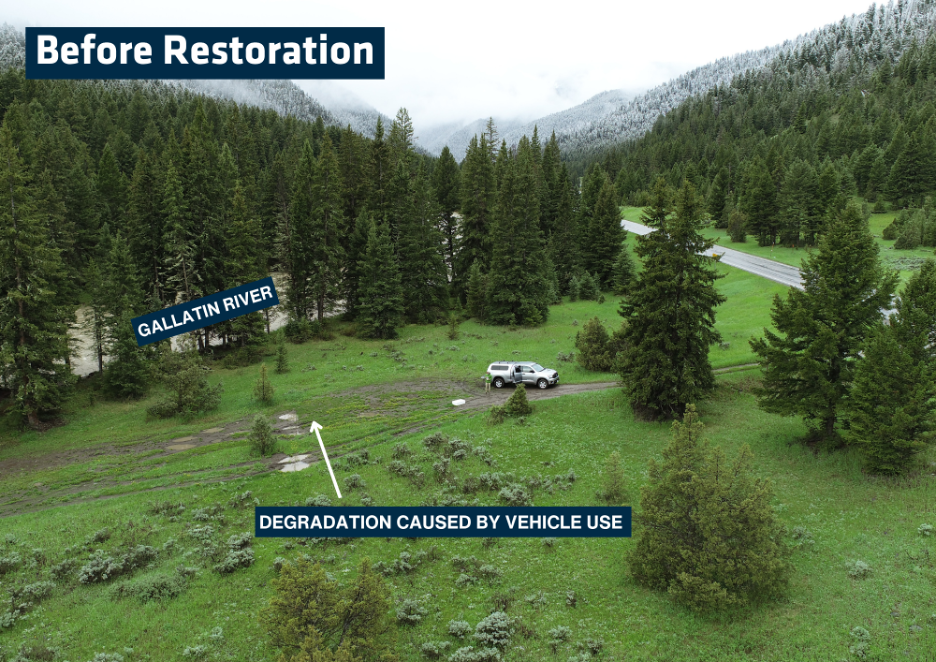
One place where restoration work is taking shape is along the Gallatin between Buffalo Horn Creek tributary and the Big Sky Shooting Range. Years of informal access in this stretch of river has contributed to erosion and damage to streamside vegetation. When vegetation is lost, riverbanks become more vulnerable to erosion, while the loss of healthy streamside habitat can reduce the natural filtering and shading that help support clean, cool water.
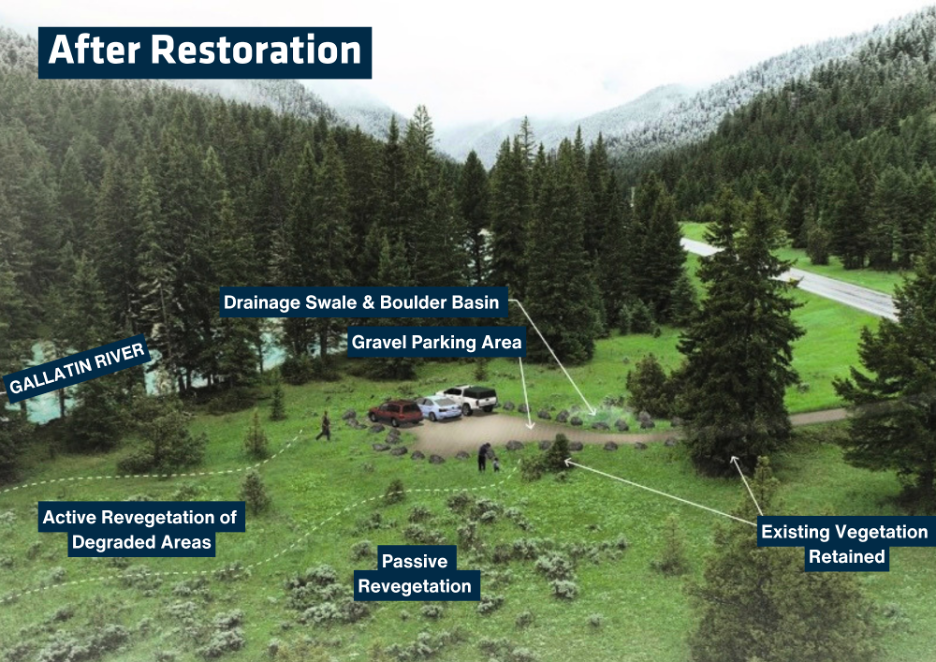
In 2026, the Gallatin River Task Force is working to restore five priority sites in this stretch of the river. The Buffalo Horn Creek to Six Shooter Project will include stabilizing eroding streambanks, restoring native vegetation and improving parking and access so people can reach the river without creating additional damage.
These improvements may seem simple. A designated parking area. A clearly marked trail. Native vegetation growing along the riverbank. Together, however, these changes can make a meaningful difference. When people have a clear place to park and a designated path to the river, they have less reason to create new trails or drive along the riverbank. When native vegetation is restored, roots help hold soil in place and plants help filter runoff before it reaches the river. Healthy streamside habitat also provides food, shade and cover for fish and wildlife.
The goal is not to keep people away from the Gallatin. It is to create a better way for people and the river to coexist.
Building on progress
The Buffalo Horn Creek to Six Shooter Project is one part of a much larger effort. In 2022, the Gallatin River Task Force and Custer-Gallatin National Forest launched the Gallatin River Restoration Strategy, a collaborative plan to restore 39 miles of the Upper Gallatin River corridor. The strategy identifies places where restoration can repair degraded habitat, prevent future harm and help the river remain healthy while continuing to support the recreation and experiences that make the Gallatin special.
The long-term goal is to restore 124 acres along those 39 miles. Reaching that goal will take many individual projects, as well as planning, partnerships and community support. This year, we reached an important milestone, with 51 acres of streamside habitat restored or in progress toward our goal.
Collaborations with private landowners, public agencies, conservation organizations and community partners help make Gallatin River Task Force’s restoration work possible. From the Custer-Gallatin National Forest and local homeowners’ associations to Big Sky Resort, Big Sky Community Organization, Big Sky Water and Sewer District, American Rivers, and Trout Unlimited, these partnerships help turn restoration plans into work on the ground. A healthy river is not created by one project or one organization. It is the result of many people caring for the same place over time.
Your part in a healthy Gallatin
Caring for the Gallatin does not always mean a large restoration project. It can mean staying on a designated trail, parking in an established area, keeping vehicles away from the riverbank, packing out what you bring in, or simply paying attention to how our choices affect the places we love. These individual actions may seem small, but they add up.
So does restoration. A stabilized bank. A stretch of native vegetation. A designated access point. A healthier wetland. Each is one more step closer to a river that can continue to support clean water, fish and wildlife, recreation and the communities that depend on it.
The Gallatin belongs to all of us, and keeping it healthy is something we can all be part of. Explore GRTF’s restoration projects, join us for a river cleanup or stewardship opportunity, practice responsible recreation, and stay connected as this work continues.
Emily O’Connor is the Chief Operating Officer at the Gallatin River Task Force.