


Montana’s true treasure
By Benjamin Alva Polley EBS COLUMNIST
Montana likes to call itself the Treasure State. For more than a century, that phrase has conjured images of gold, copper and other minerals pulled from the ground and shipped elsewhere. But in 2026, we should ask a harder question: what, exactly, are we talking about when we say “treasure,” and who gets to decide?
Some still cling to the old definition: if it can be dug up, drilled, or logged and sold on a quarterly earnings report, it’s a treasure. Under this logic, the highest and best use of land is whatever produces the most immediate financial return. People who argue for protecting public lands—setting some places aside from industrial development—are dismissed as naïve, sentimental, or even, as the Secretary of the Interior Doug Burgum recently put it, “financially illiterate.”

But if protecting public land is “financially illiterate,” then we may need to rewrite the balance sheet.
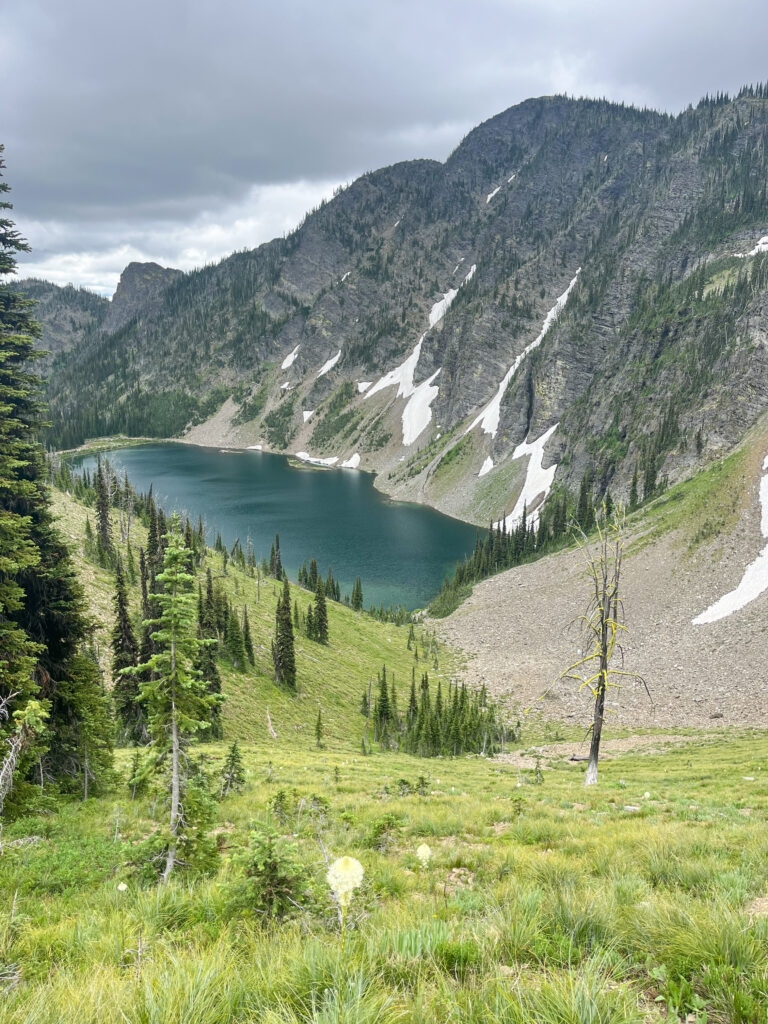
Montana’s most enduring riches aren’t just buried in the ground. Now more than ever, they flow in our free-running rivers. They stretch across wide open spaces where you can still see the Milky Way. They rise in mountains and roll through valleys that draw hunters, anglers, hikers and families from around the world. They are the blue ribbon trout streams that support guides and outfitters, the elk winter ranges that sustain rural communities, and the public access that lets a kid from anywhere step off a gravel road and onto millions of acres of shared public land.

These are not abstract values. They are economic engines. Outdoor recreation in Montana generates billions of dollars in consumer spending each year and supports tens of thousands of jobs. Small businesses—from motels and diners to gear shops and guiding outfits—depend on intact landscapes and public access. Clean water systems, healthy forests, and functioning wildlife habitat quietly subsidize our communities by reducing treatment costs, buffering floods and droughts, and sustaining the very quality of life that keeps people and businesses here.
None of that shows up on a mining company’s quarterly profit statement. But it’s real wealth, and it lasts longer than a boom cycle.
When leaders imply that valuing these public assets is a kind of economic ignorance, they flip reality on its head. What is truly illiterate is an accounting method that counts only what can be immediately extracted and sold, while ignoring the long-term costs of polluted rivers, scarred landscapes, and locked-up private holdings that once were open to all.
Treasures can be spent or stewarded. Cashing them in might feel lucrative in the moment, but it’s a one-time transaction. Once tailings poison a river, once an access corridor is closed off by subdivision, once a migration route is fragmented beyond repair, no commodity price can buy back what’s been lost.
Montanans understand this at a gut level. We hunt on public land passed down from earlier generations who fought to keep it public. We fish streams that remain cold and clear because someone decades ago decided that was worth more than a short-term profit. We bring our kids to trailheads and campgrounds paid for by public investments. These are the dividends of foresight.
So, when we debate the future of our public lands, we shouldn’t let anyone reduce the conversation to a caricature of “jobs versus trees,” or paint those who defend public access as anti-business dreamers. The real question is about time horizons and beneficiaries. Do we want a model that enriches a few investors for a few years, or one that sustains communities, economies and ecosystems for generations?
In the Treasure State, our greatest wealth is not just under our feet; it’s all around us, in the landscapes we share and the freedoms they afford. Protecting that isn’t financially illiterate. It’s the smartest investment we can make.
Benjamin Alva Polley is a place-based storyteller. His words have been published in Rolling Stone, Esquire, Field & Stream, The Guardian, Men’s Journal, Outside, Popular Science, Sierra, and WWF, among other notable outlets, and are available on his website.