
By Emily O’Connor GUEST COLUMNIST
The Gallatin River Task Force is focused on improving and sustaining the health of the Upper Gallatin River and its tributaries, and one of the most effective ways to pursue this focus is through river restoration.
When we think of river restoration, we often picture the heavy lifting that goes into preserving a landscape: excavators moving earth, crews planting willows and the physical transformation of an eroding streambank into a stable, vegetated corridor that can once again support a healthy river. But healthy streamside habitats aren’t created overnight, and the successes for a healthier Gallatin River aren’t won only during the sunny days of summer. The planning and execution for strategic restoration projects is a year-round mission, complete with data and identification in the winter and design and planning in the spring long before any work begins on the ground.
The Gallatin is experiencing changes that are the result of many factors: increased recreation, rapid land development, community growth and shifting environmental conditions. These impacts are no longer considered distant threats, but rather are our current reality. Keeping the Gallatin healthy has become a practice of intentionality, one where identifying needs and predicting both the seen and unseen are critical in creating a river that thrives for generations.
We can no longer afford to be reactive in the projects and practices that will sustain the Gallatin, and must work towards being one step ahead in our vision for restoration.
Designated access and habitat restoration as solutions
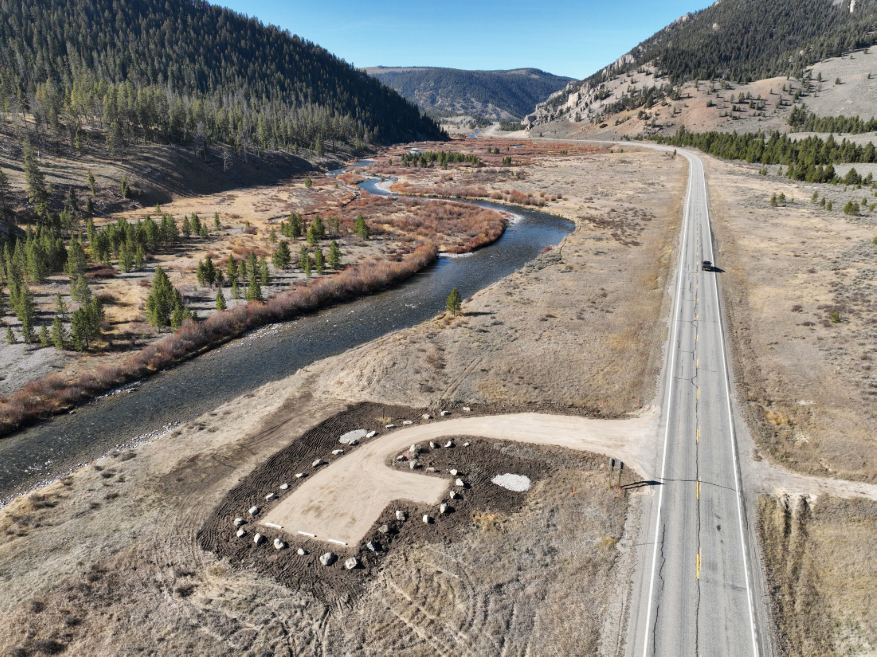
Our strategy has always been guided by science, focusing on projects that balance recreation and the health of the river at each site. Emphasizing designated access, we’re designing parking areas and designated fishing access sites to reduce informal “social trails” that erode streambanks. To restore habitats, GRTF is also protecting and restoring riverside vegetation that filters pollutants, stabilizes banks and keeps water cool for fish and wildlife.
Identifying projects with these strategies takes time and collaboration; it starts with data that evaluates current conditions, leading to thoughtful project design, and often requires community collaboration and partner buy-in to bring the restoration visions to fruition.
Good planning is elemental and lays the foundation, but it is community involvement that ensures long-term success. All the time spent on assessments, permitting and design is strengthened when local knowledge, hands-on help and public stewardship guide the work. By engaging agency partners, neighbors, recreationists and river enthusiasts, we create restoration projects that not only stabilize eroding banks, protect fish habitat and improve wildlife habitat, but also reflect the values and needs of the people who love this river. In the end, taking care of the Gallatin is a shared responsibility—and everyone who values its waters has a role to play in shaping its future.
The Big Sky community has always considered the Gallatin River to be one of our greatest assets, and the Gallatin River Task Force has always considered the work of protecting the river as one of our greatest honors, and responsibilities. As we move into the coming seasons, our focus shifts toward several key restoration areas.
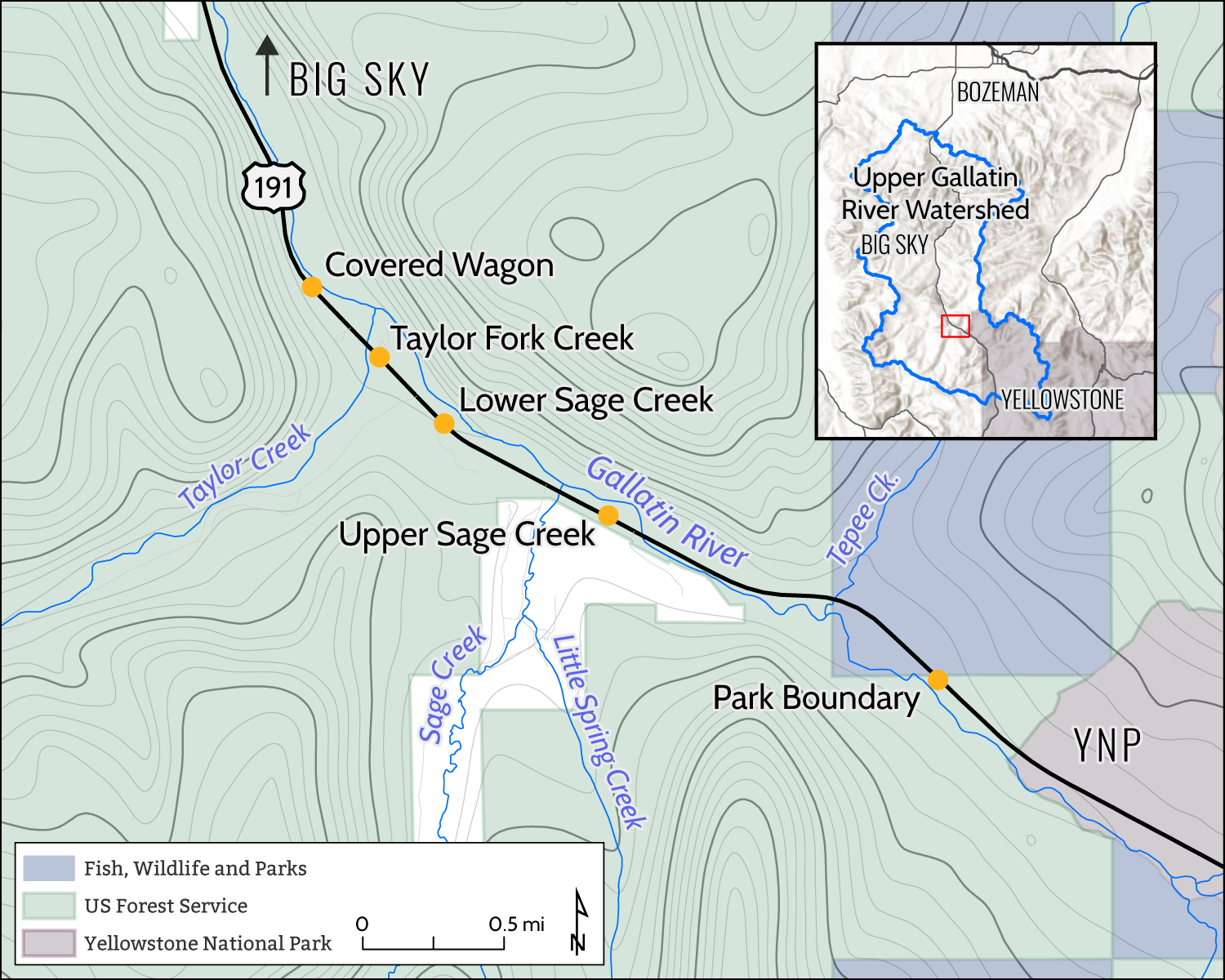
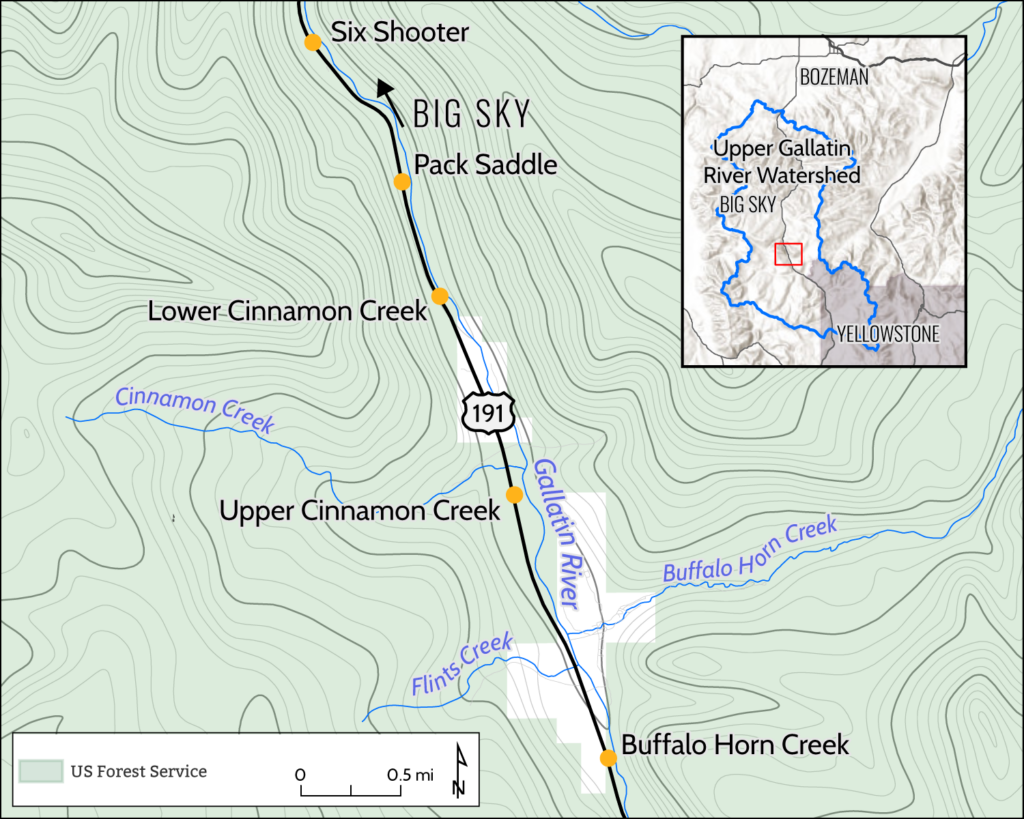
The upper Gallatin is a priority area— heavy recreation use has led to degraded streamside vegetation and riverbanks. We currently have projects in process between the boundary of Yellowstone National Park and the Covered Wagon Ranch, as well as downstream from Buffalo Creek to Six Shooter. These projects represent a coordinated effort to restore riparian habitat, stabilize streambanks and improve sustainable river access along some of the most heavily used and iconic stretches of the Gallatin River corridor.
The Gallatin River is the lifeblood of our region. Our commitment to its longevity is unwavering, regardless of the season. By investing in rigorous planning and science-driven action, we aren’t just maintaining a waterway—we are preserving a legacy. Our vision isn’t just about fixing what is ‘broken’. It is about anticipating the needs of tomorrow. By analyzing data that accounts for weather patterns, climate impacts, community influences and recreational trends, we prioritize projects that offer the highest “return on investment” for the Gallatin’s health and our community’s future.
Emily O’Connor is the Chief Operating Officer of the Gallatin River Task Force. To learn more and support Gallatin River Restoration visit our website.