
Gallatin County Sheriff’s Office responded to two crashes without injuries near Lava Lake this week
By Jen Clancey STAFF WRITER
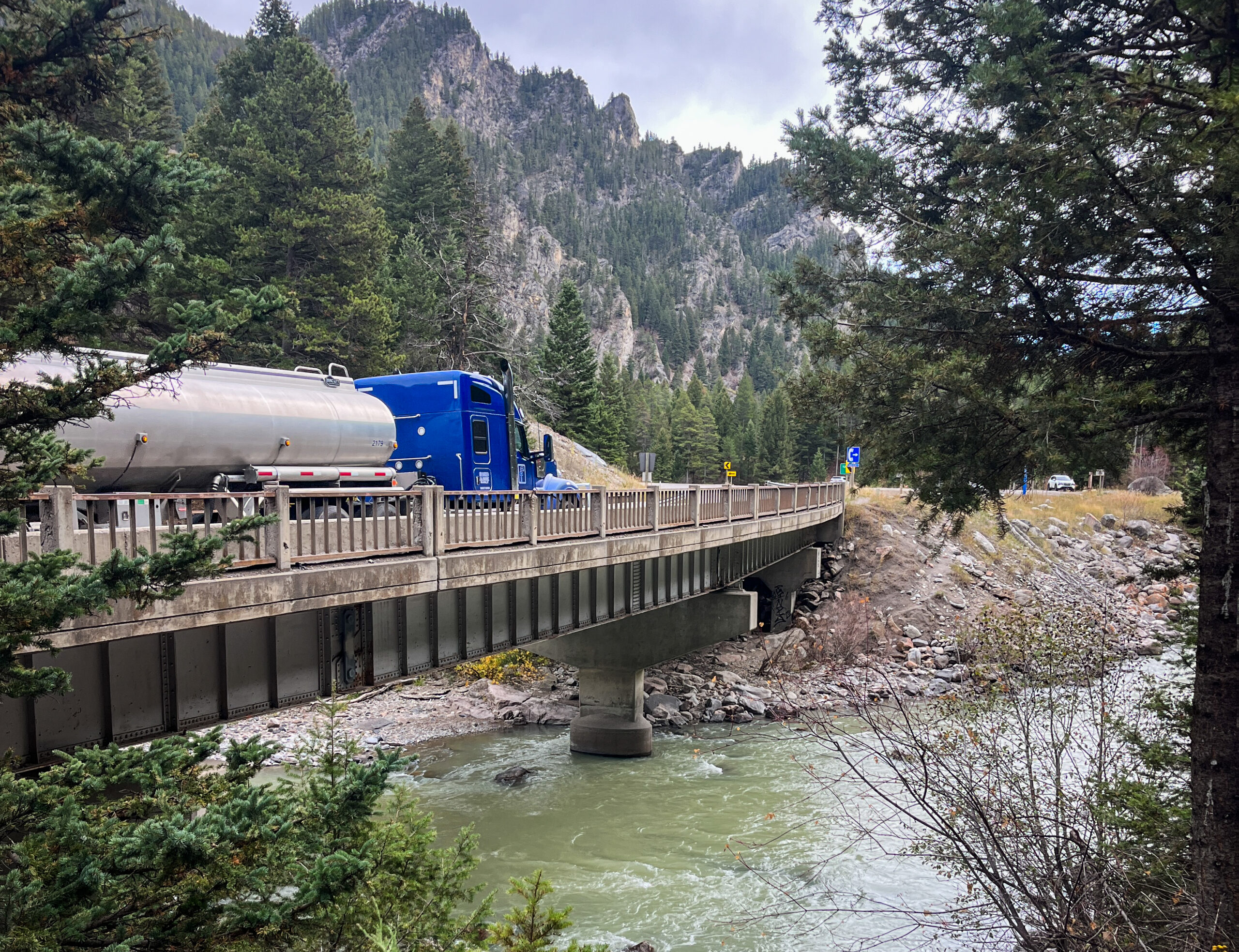
As temperatures fluctuated this week to above freezing during the day, and below freezing at night, the Gallatin Canyon saw two crashes near Lava Lake Bridge: the first early Wednesday, Nov. 4 and the second Thursday, Nov. 5, just north of Lava Lake, which caused some blockage. No injuries were reported in the crashes.
Gallatin County Sheriff’s Sgt. Dan Haydon hopes that knowledge about the canyon’s varying conditions, Big Sky-ready vehicle outfitting and safety practices can prevent weather-related crashes and reduce risk this season.


Road conditions in the canyon can change really quickly, he noted. “They can change from corner to corner because of temperature, elevation and shade. And so you have to slow down, and you have to have a good reactionary gap between you and the vehicles ahead of you,” Haydon said.
Staying safe and having control over a car in slippery conditions can also come down to a vehicle’s tires.
“You have about four one-square-foot patches of rubber connecting you to the road,” Haydon said, noting that investing in quality all-season tires, or a dedicated set of winter tires is key. “When you’re thinking about tires for your vehicle, it’s important to make sure that you have considered a tire that is rated for winter conditions when you’re coming to Big Sky,” Haydon said.
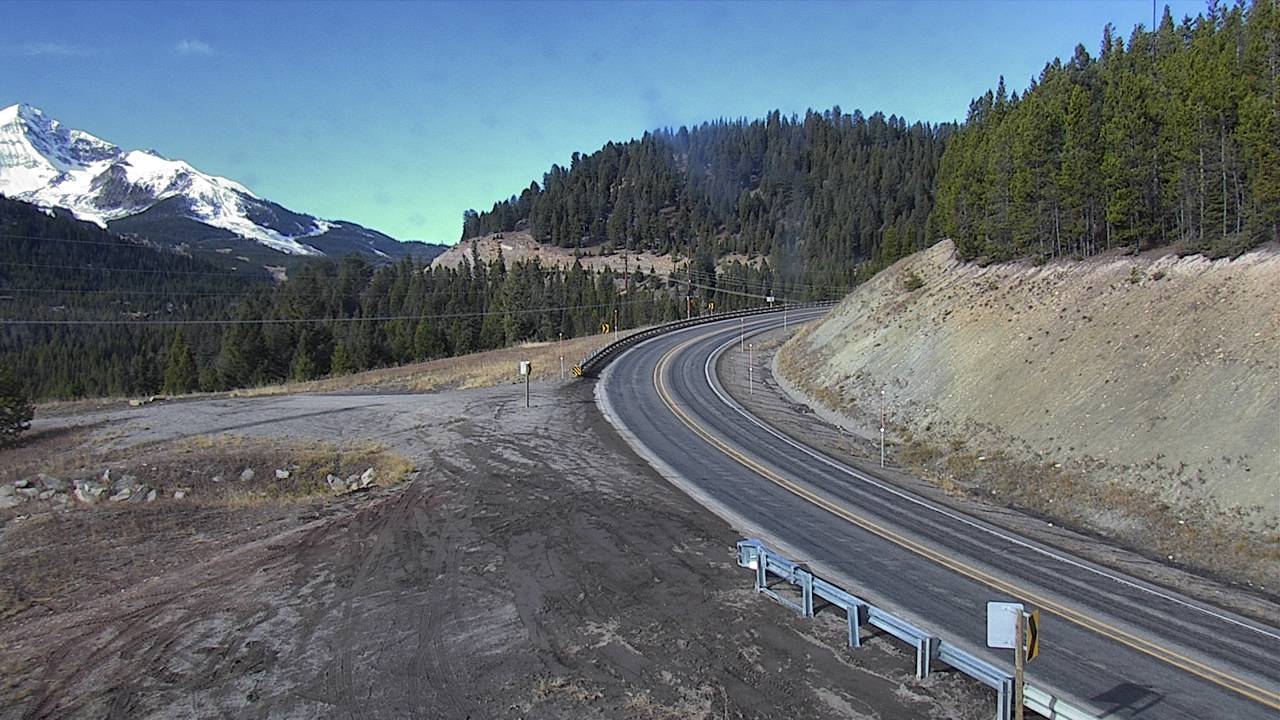
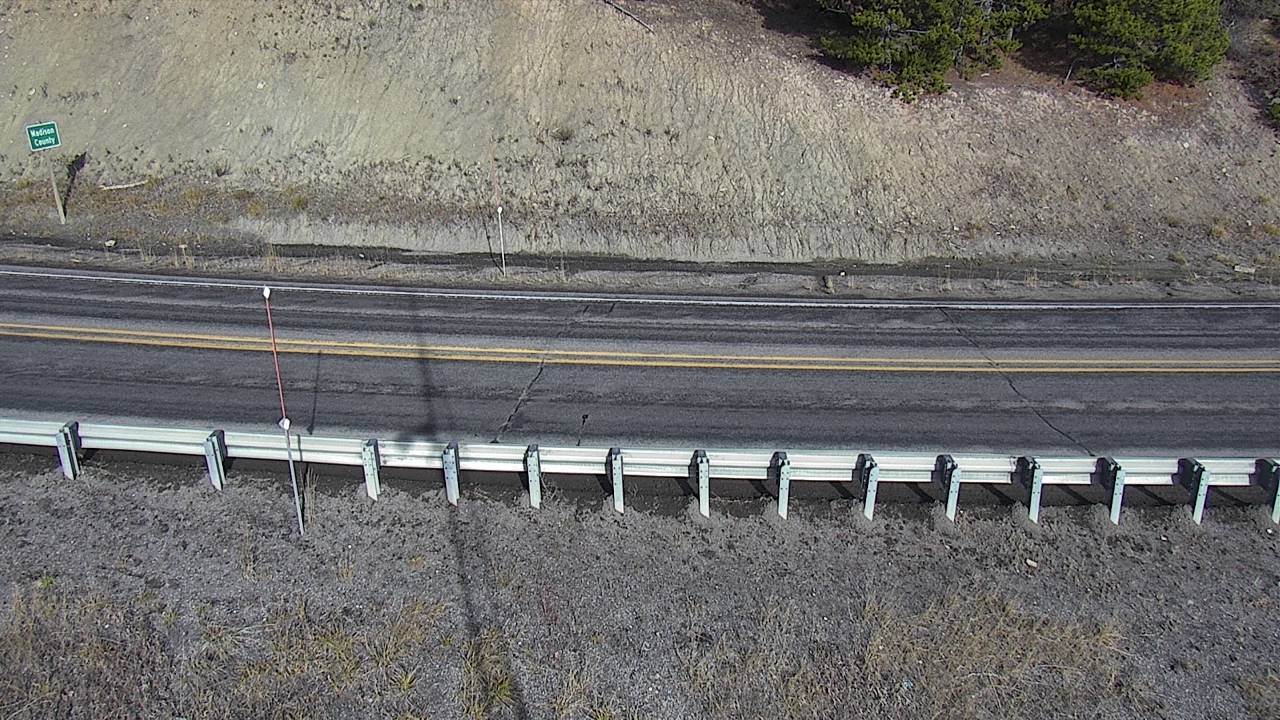
Drivers can also find photo and written reports of road conditions at Montana Department of Transportation’s 511MT site.
“Before navigating the roads, you can see what the canyon looks like, what the air temperature is, what the road temperature is,” he said. MDT cameras and monitoring at Karst in the Gallatin Canyon and at Montana Highway 64’s mile marker 7.5 provide insight into commonly traveled routes.
Road icing is also common as temperatures change from day to night, and on top of bridges. Haydon noted that a road staying at the same below freezing temperature isn’t as much of a concern. What’s troubling is when snow falls in just above freezing temperatures and the snow melts, freezes and remelts on Big Sky’s roads. The most notable incidents happen along Lone Mountain Trail.
“Right around Christmas every year, we will have a major traffic incident between mile marker 3 and mile marker 5,” Haydon said. “I think I had one year where I helped with, I think it was 40 slide offs in four hours between Lone Mountain Ranch and North Fork.”
In early December 2023, accidents temporarily closed Ousel Falls Road and South Fork Road and a part of Lone Mountain Trail. Checking road cameras can be helpful for that reason, to see whether there is a whiteout, traffic stoppage or precipitation on roads.
“It can kind of prep me if I need to plan extra time for my commute,” Haydon said.
He also emphasized two essential safety practices.
“Wear your seat belt. We will have crashes, and we will have slide-offs, and modern cars are built to be so safe, but all the safety features in the cars are designed for you to be in your seat with your seat belt on,” he said.
Lastly, he asked commuters and residents to take extra care when driving around or behind incidents, first responders and state snowplows.
“When they see our emergency lights, the fire department, when they see the state plows, when they see the lights, slow down and give us room,” he said. MDT employees have previously described close calls at their roadside worksites, and Haydon said that first responders also experience these safety issues of cars rushing by.
“It is very uncomfortable,” he said. He noted the goal for first responders and snow plows is to help get commuters and residents on their way, and that exchange relies on driver behavior, too.
“We need you to keep us safe when we’re out doing that,” Haydon said.