

By Daniel Bierschwale EBS COLUMNIST
In the last Big Sky Way, we talked about catching up.
Big Sky’s infrastructure hasn’t always kept pace with our growth. Today, we have some catching up to do—on our roads, in our water and wastewater systems and in our ability to prepare for wildfire.
So, how do we pay for it?
That question isn’t new either. In a 2024 Big Sky Way, “Funding Our Future,” I wrote about Big Sky’s “financial stack”—the combination of resources we use to make major community investments possible.
Resort Tax is part of that stack. So are bonds, state and federal grants, mill levies, ratepayers, philanthropy and private funding. By combining these resources, Big Sky has been able to accomplish more than any one could support on its own.
But not every piece of that stack is predictable. Our community has twice pursued federal Better Utilizing Investments to Leverage Development, or BUILD grants, for improvements to the U.S. Highway 191-Montana Highway 64 intersection, but neither application was selected. Competitive grants can’t be the foundation of a long-term infrastructure strategy.
As the scale of Big Sky’s infrastructure needs became clearer, so did the need to look more broadly at how to pay for them. In November 2024, Economic and Planning Systems completed a public finance study examining ways to supplement existing funding sources. One of those tools was a Targeted Economic Development District, or TEDD.
The purpose is pretty simple: to help a community address infrastructure deficiencies so it can support its economy. In Big Sky, that means using a portion of future property tax revenue generated by growth for transportation, water and wastewater and other eligible infrastructure.
The mechanics take a little more explaining.
A TEDD establishes a defined geographic district where infrastructure deficiencies have been identified. Creating the district allows another tool to be used within it: Tax Increment Financing, or TIF.
TEDD is the district. TIF is the funding mechanism—similar to howBSRAD is the district and Resort Tax is the funding mechanism.
As new development and rising property values increase the district’s taxable value, they generate additional property tax revenue. TIF allows a portion of that new revenue to be reinvested in eligible infrastructure. During the life of the TIF, the counties and other local taxing districts continue to receive revenue generated by the district’s base taxable value, including inflationary increases. When the TIF ends, the full taxable value becomes part of the tax base available to them.
This isn’t an unfamiliar tool in Montana.
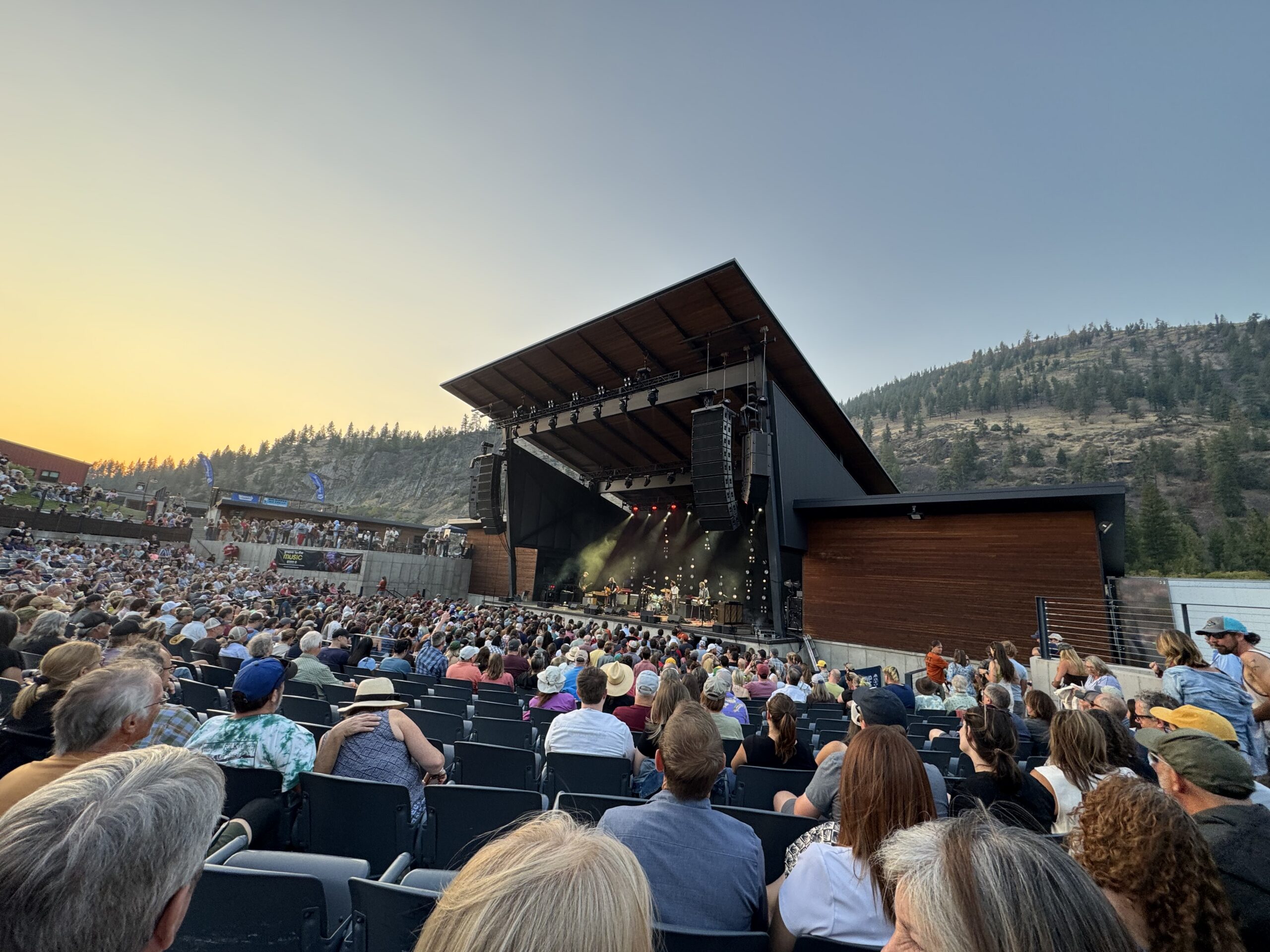
If you’ve driven to Bonner for a concert at the KettleHouse Amphitheater, you’ve visited an area where a TEDD has helped transform a former mill site. Missoula County used TIF revenue for infrastructure and environmental cleanup, supporting redevelopment that brought new businesses, jobs and investment.
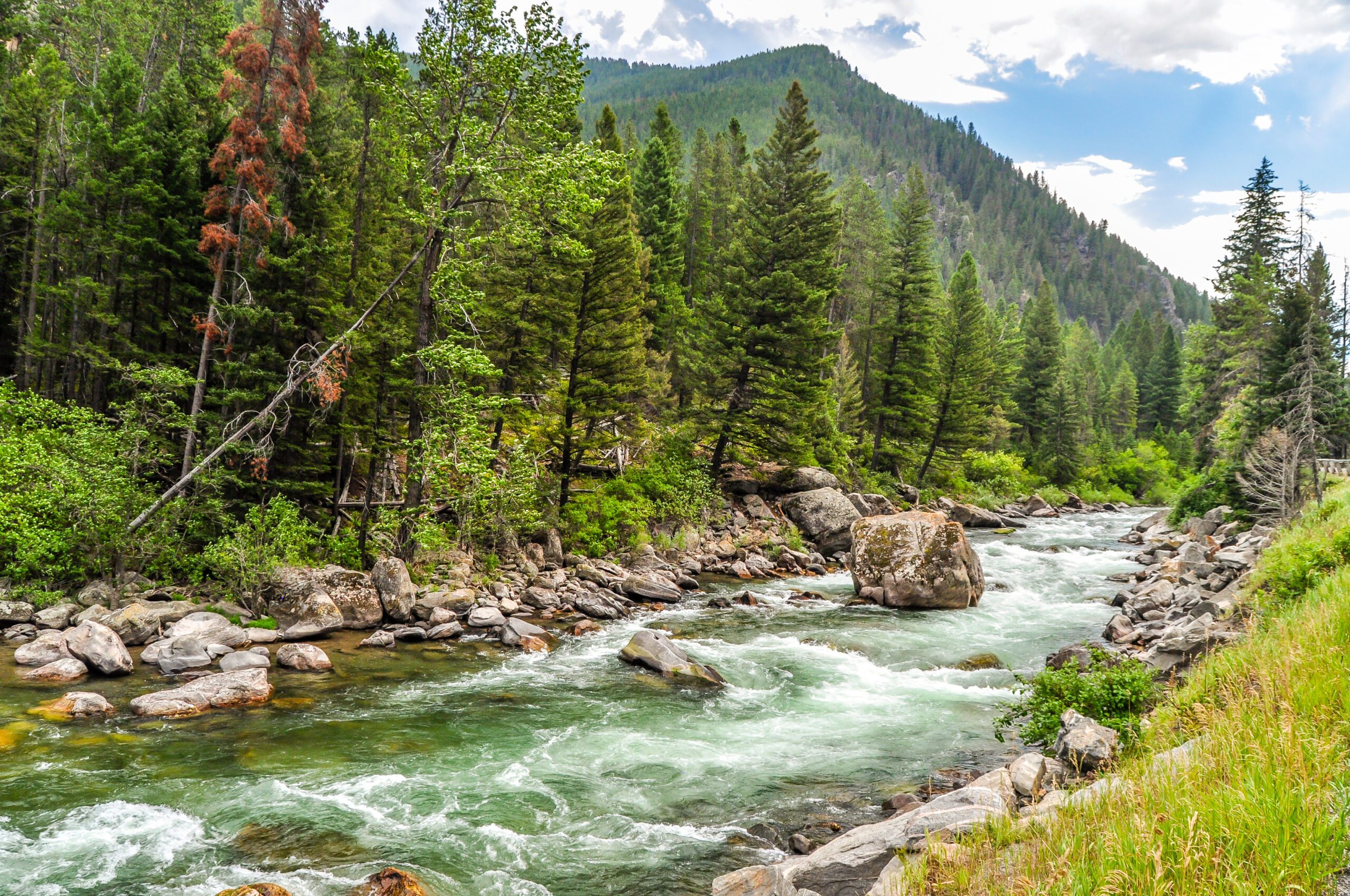
As we covered in Catching Up, our infrastructure needs are significant and interconnected. Transportation investments can improve safety and emergency access. Water and wastewater investments can protect the Gallatin River, support wildfire response and provide capacity for homes and businesses. Wildfire infrastructure protects people, property and economic activity that extends far beyond Big Sky.
It’s important to understand what a TEDD is not. It will not appear on your property tax bill as a new tax. It is not a ballot measure. The proposed district would require approval by the Gallatin and Madison County commissions.
A TEDD also wouldn’t eliminate the need for other funding sources. Resort Tax, ratepayers, grants, philanthropy, private funding and partnerships will continue to be part of a project’s financial stack. A TEDD could help leverage those resources, with each playing a different role depending on the project.
It simply adds another tool to that stack—one particularly relevant for a small community that generates significant tax revenue for Montana and our two counties, but has limited ability to retain and reinvest those dollars locally. TIF allows a portion of future property tax growth to support the community that generated it.
For more than 50 years, Big Sky has found ways to build what the community needs. Today, the scale is bigger and the projects are more complex.
A TEDD won’t do it alone. Neither will any other tool in the toolbox. But together, they give Big Sky a better chance to catch up—and build a stronger foundation for what comes next.
Daniel Bierschwale is the Executive Director of the Big Sky Resort Area District (BSRAD). As a dedicated public servant, he is committed to increasing civic engagement and voter education. Many ballot issues impact government services and public funding, including subsequent property tax impacts. BSRAD is the local government agency that administers Resort Tax, which offsets property taxes while also funding numerous community-wide nonprofit programs.