
By Johnny O’Connor GUEST COLUMNIST

Big Sky is at a critical moment in our infrastructure history.
The community’s growth, seasonal population swings, and unique environment demand more from our infrastructure than most communities face. At the Big Sky County Water and Sewer District, our job is to make sure the systems people don’t see every day—water and wastewater—quietly do their work, protect public health, and safeguard the places we all care about.

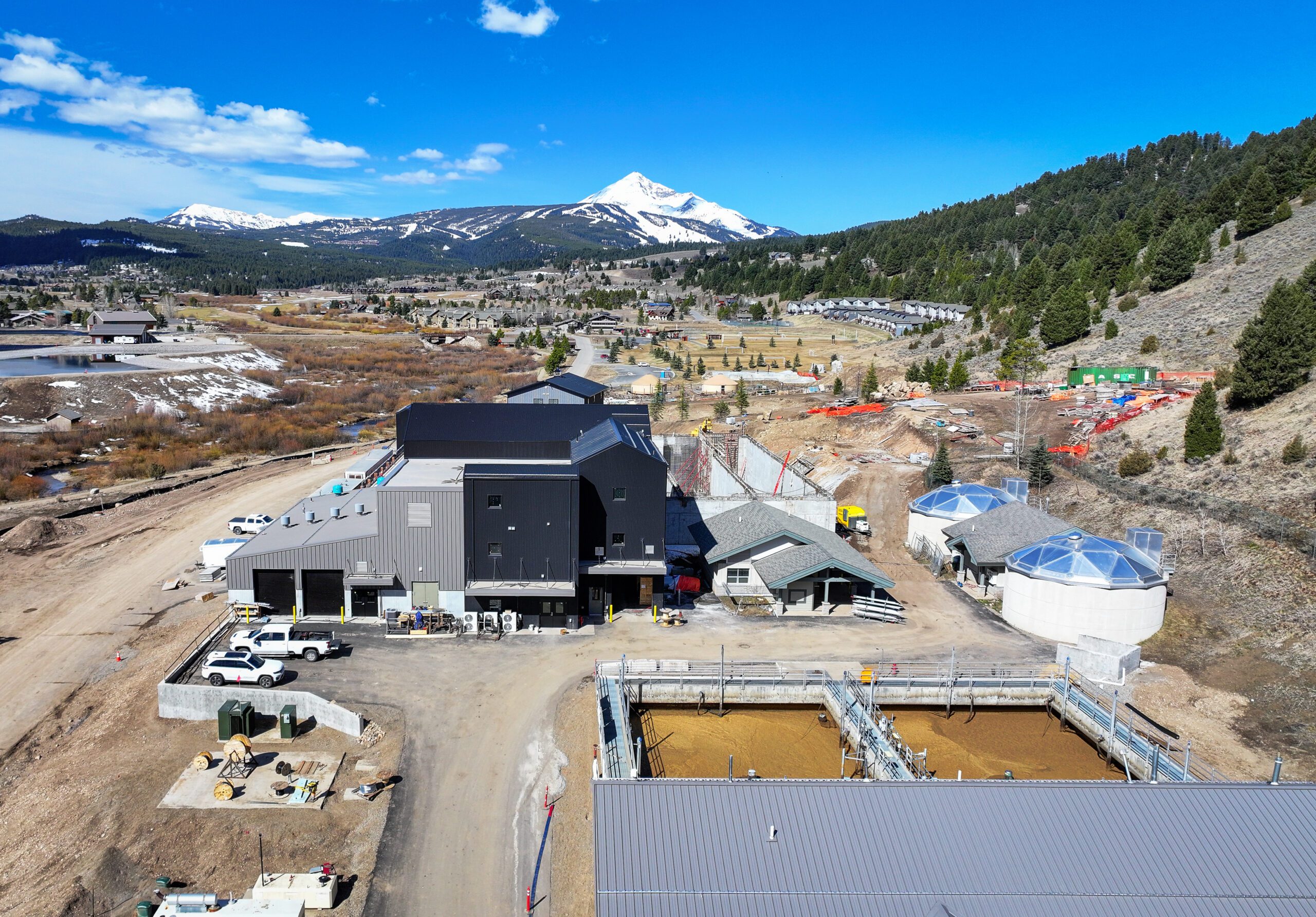
One of the most significant investments our community has made toward that goal is the Big Sky Water Resource Recovery Facility. Now in its first full year of operation, the WRRF is performing exceptionally well. Treatment results are consistently strong, with high removal rates for nutrients and bacteria, producing reclaimed water that exceeds all Montana Department of Environmental Quality and EPA requirements. This level of performance reflects years of planning, engineering and investment—and the dedication of the operators who run the plant every day. While zero-discharge operation reflects our community’s strong commitment to protecting the Gallatin River, it is important to recognize that utilizing alternatives to direct river discharge comes at a substantially greater cost to the community.
What makes Big Sky truly unique, however, is not just how well we treat wastewater, but what we do with it afterward. Big Sky is one of only a small number of communities—fewer than 500 in the country—that operates as a zero-discharge system. Instead of releasing treated wastewater into a river or stream under a discharge permit, 100% of our treated water is reused for irrigation and snowmaking, and hopefully someday can be used to manage groundwater recharge, wildland firefighting and fire suppression.
This approach significantly reduces impacts on surface waters while conserving freshwater resources. It also allows reclaimed water to be used where it provides real benefit—supporting vegetation, maintaining soils and, when discharged to groundwater under strict regulatory oversight, helping sustain aquifer levels that ultimately support the Gallatin River system.
That same commitment to protecting water resources is why the district continues to explore solutions for the Gallatin Canyon, where dozens of individual septic systems and small community systems currently operate near the river. For years, community members have raised concerns about aging septic infrastructure and its potential impact on water quality. In response, the district and its partners were asked to evaluate whether centralized sewer service could provide a safer, more sustainable alternative.
The proposed Gallatin Canyon Sewer Project is still in the planning and review phase, and no final decisions have been made. If pursued, the goal would be to remove multiple septic
systems from the canyon and replace them with centralized treatment at the WRRF, with treated water managed through beneficial reuse or regulated groundwater discharge. Properly designed and permitted, this approach can reduce nutrient loading, protect groundwater and ultimately benefit the river by addressing contamination risks at their source.
As with all major infrastructure decisions, this work is guided by careful engineering, regulatory oversight, and public involvement. Our responsibility is to ask the right technical questions, evaluate costs and benefits honestly, and ensure that any path forward is both environmentally sound and fiscally responsible.
Big Sky’s water future depends on thoughtful planning today. Whether it’s operating a high performing treatment facility, maintaining a rare zero-discharge system, or evaluating long term solutions for sensitive areas like the Gallatin Canyon, the District remains committed to transparency, stewardship and serving the community’s long-term interests.
Johnny O’Connor is the executive director of the Big Sky County Water and Sewer District.