

By Abby Butler EBS COLUMNIST
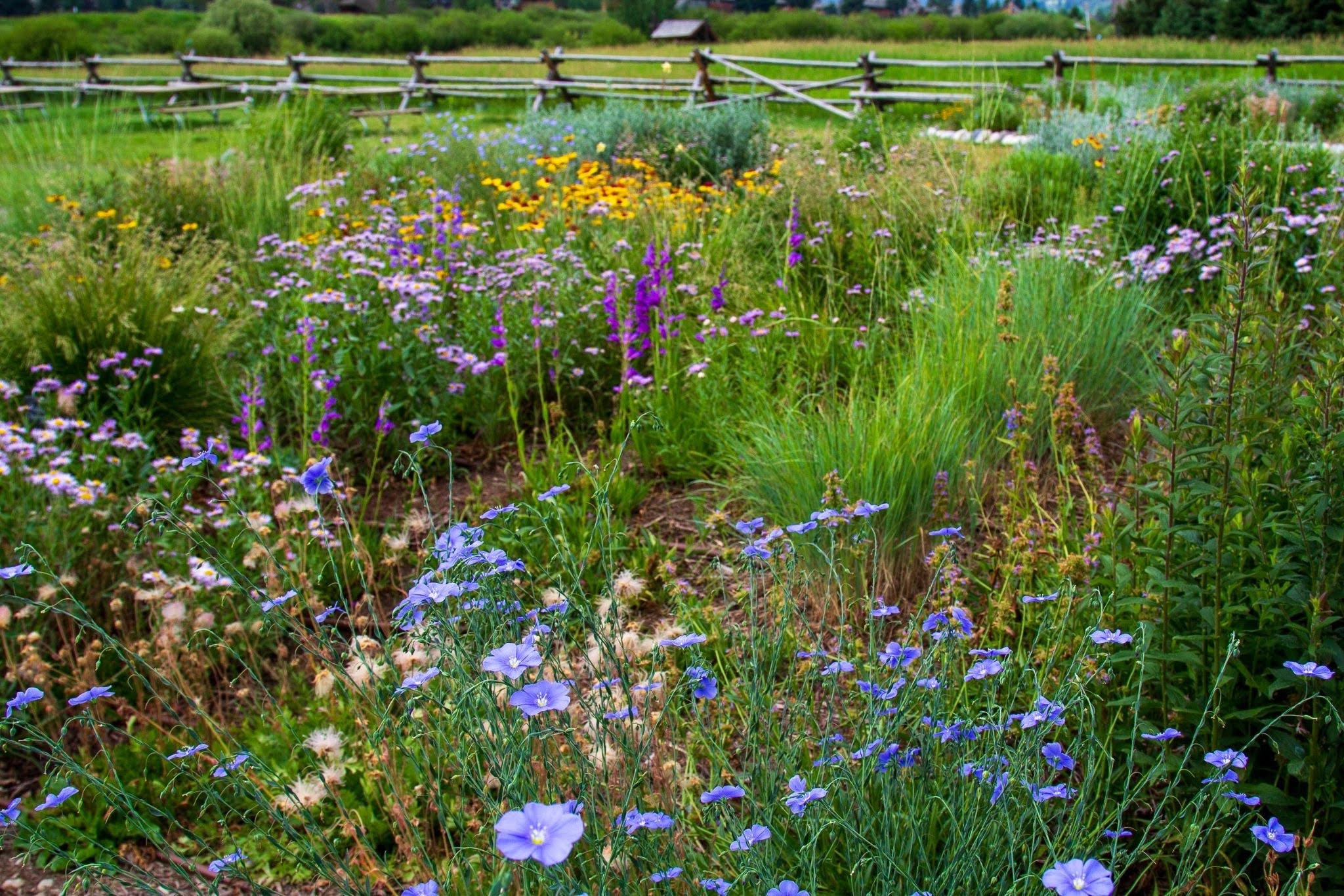
With the end of summer in sight, you might be itching to scatter that bag of wildflower seed you have stowed away in your garage. But we’re here to tell you that a successful wildflower meadow takes a bit more than a flick of the wrist and has a greater impact on the ecosystem around you than you think.
Check your seed mix
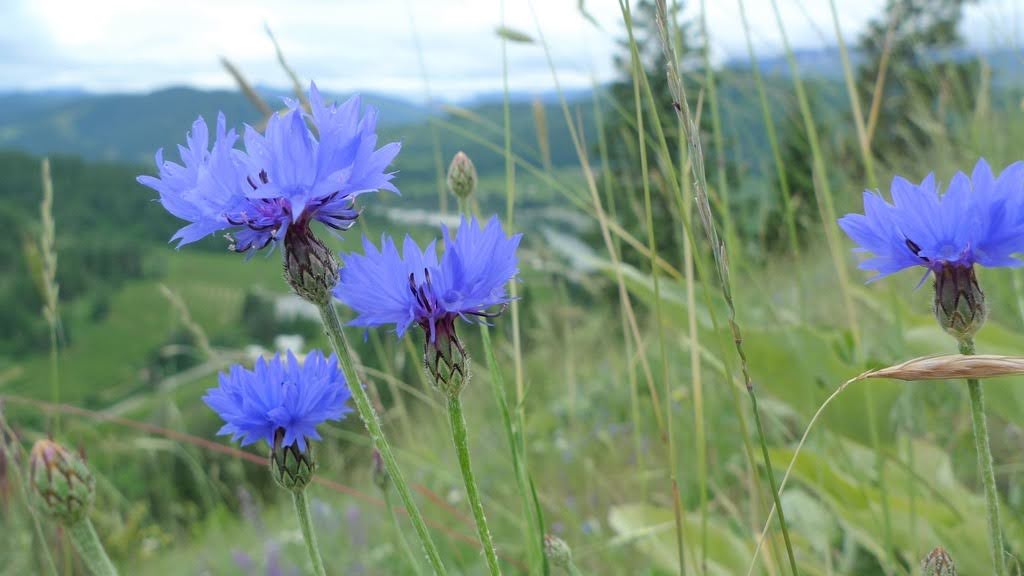
Before we start thinking about planting, take a peek at the contents of your seed mix. It’s all too common to find that some of your “native Montana wildflowers” mix actually contains noxious weeds or species with competitive tendencies. Common invasive plants we find in mixes are noxious oxeye daisies, spotted knapweed and cornflower, also known as bachelor’s button, which is native to Europe and spreads aggressively.

Check before you plant to make sure your wildflower mix won’t do more harm than good. A great place to start for native plant seed is your local conservation district. Both Madison and Gallatin County have Pollinator Initiatives, offering free native seed mixes to residents.
Timing
If you’re choosing native seeds, these plants are adapted to a temperate climate meaning they require stratification to break dormancy and germinate into successful seedlings. Stratification uses periods of cold temperatures followed by warm temperatures and moisture to allow seeds to germinate in the spring. This keeps them from coming up too early when they might be killed by a freeze or too late where they won’t live long enough to produce seeds.
The easiest technique is to time your seed planting in the fall, right after the first hard frost but before heavy snowfall. For more information, this helpful guide from the Piedmont Master Gardeners explains in-depth the role stratification plays in a seed’s life cycle.
Site preparation is key
Preparing your site is essential to seeing successful growth. In fact, it may take months before your ground is ready to plant. To give these native seedlings a chance you need to eliminate all vegetation where you plan to plant seeds. If that seems excessive, think about how competitive plants like smooth brome, Kentucky bluegrass, and especially noxious weeds, are. Trying to grow wildflowers in a field of established vegetation is unlikely to succeed.
To eliminate vegetation, you could repeatedly till the soil. Keep tilling shallow, as deep tilling often brings weed seeds to the surface, spray a non-residual herbicide or look into “sheet mulching”. Check out the Gallatin Conservation District’s Pollinator Garden Planting Guide for more instructions on planting.
Advice for new builds
Preserve as much topsoil as you can by limiting your disturbance footprint. Topsoil is the uppermost layer of soil that contains dormant seeds. Weed seeds are adapted to disturbance, so disrupting this layer of topsoil offers ample opportunity for weeds to take advantage and grow.
Take a look at the land around your new build and see what’s growing. Some sites are naturally drier than others, or have high water tables allowing moisture-loving plants to thrive. Get curious and take note of what’s already flourishing as this will inform what plants will work around your home.
What to expect
Now that you’ve planted, it’s time to brush the dirt off your gloves and relax—let nature fend for itself, right? Unfortunately that’s not the case.
While native plants are resilient, they require care as they first establish. Expect to do some hand weeding the first few years as unwanted plants attempt to grow. The team at Grow Wild knows how hard it is to tell whether an immature sprout is a wildflower or a new weed, which is why we’re here to help. Send the Grow Wild team a picture and we’ll do our best to help you identify what’s growing.
It’s all connected
While planting from seed requires intention and care, the payoff is well worth it. In Big Sky, our proximity to the Greater Yellowstone Ecosystem means the plants we surround ourselves with at home not only impact your neighbors down the road, or the public land past your property line, but also the larger ecosystem as a whole. So, settle in for an exciting new gardening journey—one filled with mistakes, learning opportunities and ultimately lots of joy when you see your first wildflower bloom.
Abby Butler is the conservation program coordinator at Grow Wild.