
By Mel Crichton EBS COLUMNIST

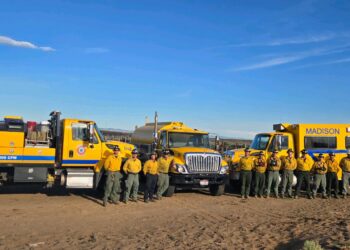
Originally, I planned to interview Big Sky’s Wildland Fire Chief Jon Trapp for this month’s column, but his job got in the way. It’s common for fire departments to share resources in wildfire situations, as Big Sky Fire Department did last January when it sent a crew to Los Angeles. This time, Jon has been helping firefighters in Colorado, and he reports that fuels—vegetation and trees—are at record-low levels of moisture. Colorado has several big fires right now, but Jon’s assignment is a modest 25,000 acres—roughly the size of Big Sky.
So, without Jon’s wisdom, let’s talk about the weather. We can’t do anything about it, but weather has a lot to do with wildfires.

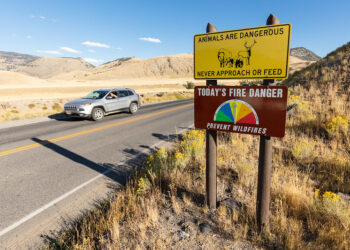
We’re six weeks into fire season with about 10 more to go before cooler temperatures and fall precipitation reduce our risk. Even then, a wildfire could break out if fuels remain dry. Lately, we had enough rain and cool weather to keep our fire hazard at “LOW” to “MODERATE” at the Smokey Bear sign, but as I write this in early August, our fire risk has moved up to “HIGH.” Just a few miles south in the Park, fire hazard is currently “VERY HIGH, ” so let’s hope that Big Sky dodges another bullet this year, just as we have in past years when fires were popping up all around, sometimes a bit too close.
But fires are popping up, in places they weren’t expected, and in months when they never have started before. The winter fires in L.A. last year and in the Boulder, Colorado area a few years ago are proof that fuels, weather, and topography remain ripe for fire later in the year. Those three agents determine the potential for wildfire spread, and are used in determining the hazard rating on Smokey’s sign.
We can’t do anything about our topography—hills and valleys—or the weather. If it’s too dry, too hot, and too windy, a fire can easily spread. If the weather forecast calls for low humidity, warm temps, and winds above 25 miles an hour, the weather service issues a Red Flag Warning. If fuels on the ground are already dry and there are no barriers to a fire’s spread, fire risk creeps past MODERATE to HIGH. If the situation persists, the risk becomes VERY HIGH. And in California, risk has been EXTREME too many times, with disastrous results.
We’re lucky now. Our risk is lower than in neighboring areas. But still, vigilance is needed. Dust off your evacuation plan, pack your go-kit and keep the gas tank full, because a few days of hot and dry weather can push our risk upward, and that’s when a fire can really spread out of control.
Check out the Fire Adapted Big Sky Wildfire Hub for basic information. The info is in there, and I encourage you to search around on the website. And while you’re there, click on the link to get county emergency alerts through Everbridge and near the bottom, sign up for a homesite risk assessment.
Current Big Sky wildfire action
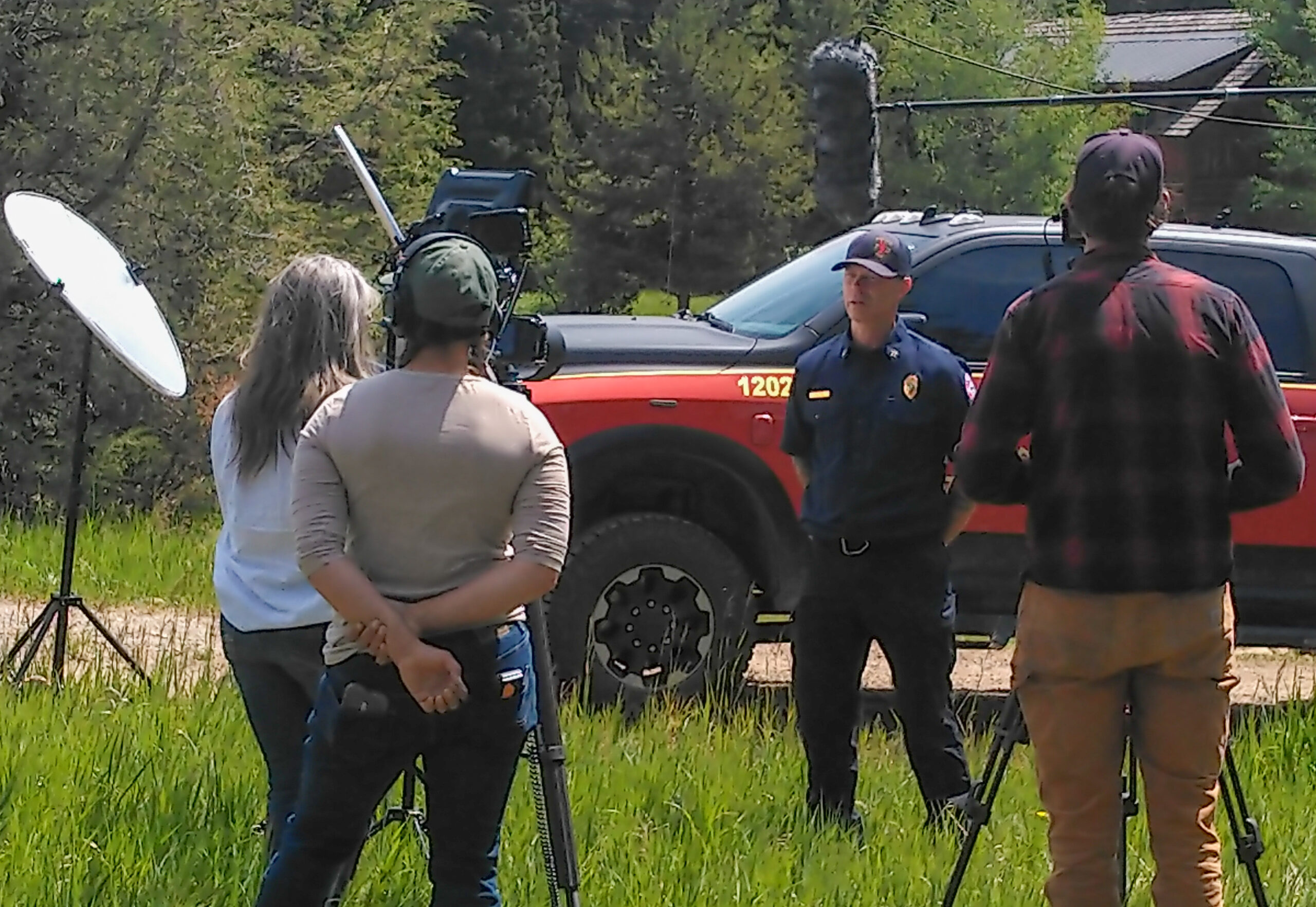
Recently, a crew from Nature Conservancy and Greater Yellowstone Fire Action Network filmed wildfire mitigation efforts in Big Sky, along with other locations in the Greater Yellowstone. The video will be used to promote wildfire programs and influence policy makers. You’ll probably see some Big Sky locals in the final product later this year.
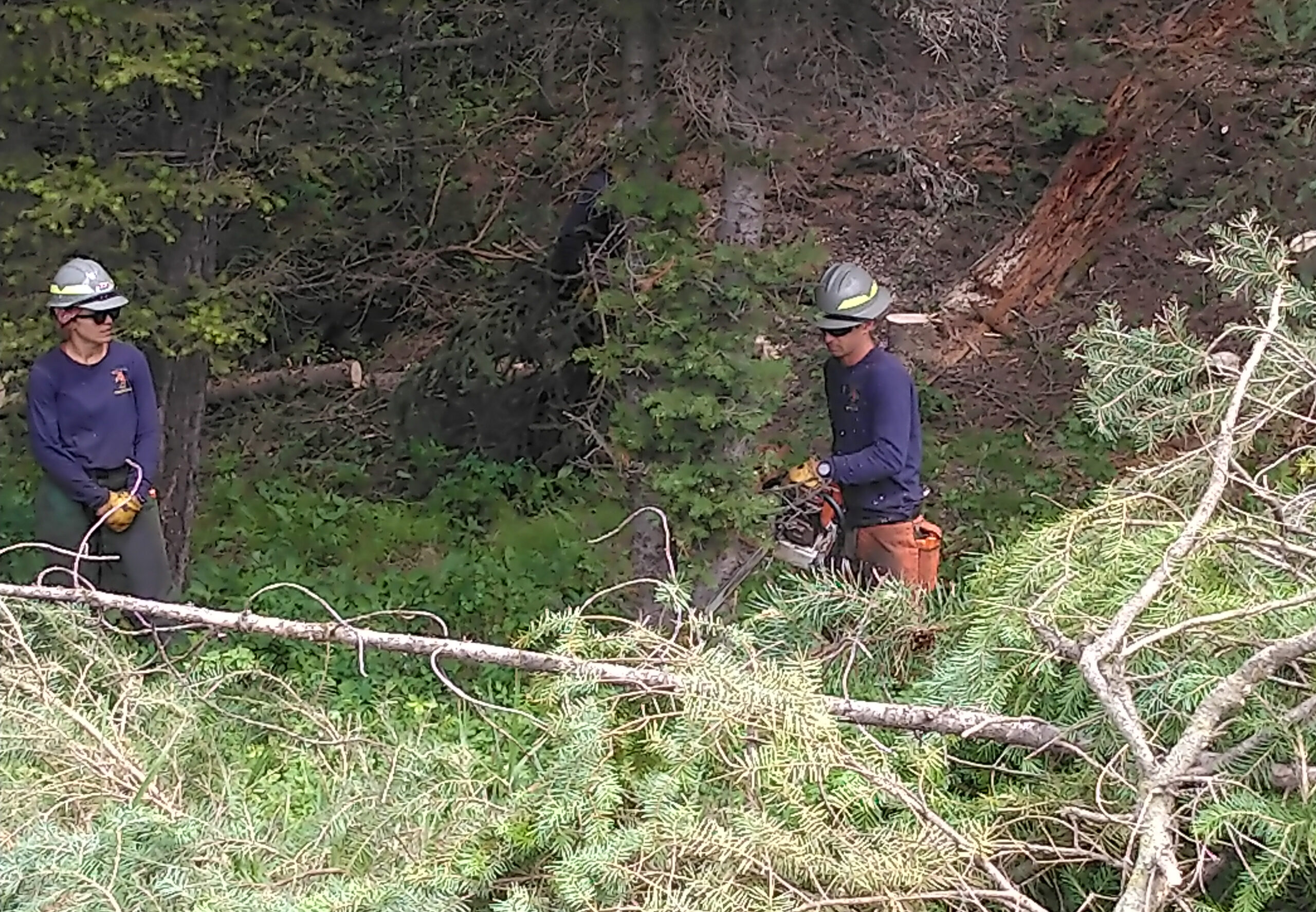
We now have 35 Fire Adapted Big Sky neighborhood ambassadors in two dozen neighborhoods, and hopefully you’re in contact with an NA already. Ambassadors are identifying neighbors needing help evacuating and setting up buddy systems. NAs have organized local hazard mitigation projects, like Claire Thayer, who worked with a neighbor to remove flammable bushes for an ailing resident in the Meadow. Aspen Groves residents pitched in to help a neighbor reduce risk to his firewood stash. Hidden Village benefited from a day of fuels removal by BSFD’s fuels crew, seasonal wildfire fighters that help residents with reducing flammables when they are not fighting fires. They chipped homeowners’ slash in the Meadow, Cascade and Aspen Groves. Tons of potential fuels have been chipped through BSOA and the fire department, but there are dozens of neighborhoods yet to act. Contact your HOA to schedule a chipper day with the fire department.
I’ve seen a few residents clearing pine needles out of gutters. Woodpiles are disappearing from porches and from under decks, but there are many more to go. You folks are making a dent in our overall wildfire risk. Later this year we’ll talk about what that can do for your homeowners insurance.
Mother Nature is fickle. She blesses with cool rains to keep fire danger low, then on a whim sends a blast of hot dry air to set the stage for a wildfire. It only takes a few days for grasses and brush to dry, and once those fuels ignite, the fire’s heat can dry other fuels. Be happy that our fire risk has been relatively low, but don’t count on it staying that way. Vigilance is key.
Mel Crichton acts as neighborhood ambassador coordinator for Fire Adapted Big Sky. He may be reached at kj9c@comcast.net.