
By Eric Ladd PUBLISHER
There are certain stories that refuse to fade. They settle into us quietly, like a river carving its way through stone, unchanged in direction but deepened by time.
More than 30 years after its release, the movie “A River Runs Through It” is finding its way back into the cultural current. What once defined a generation of anglers now carries a broader and more urgent meaning, one that feels increasingly relevant for the rivers and communities we depend on today.

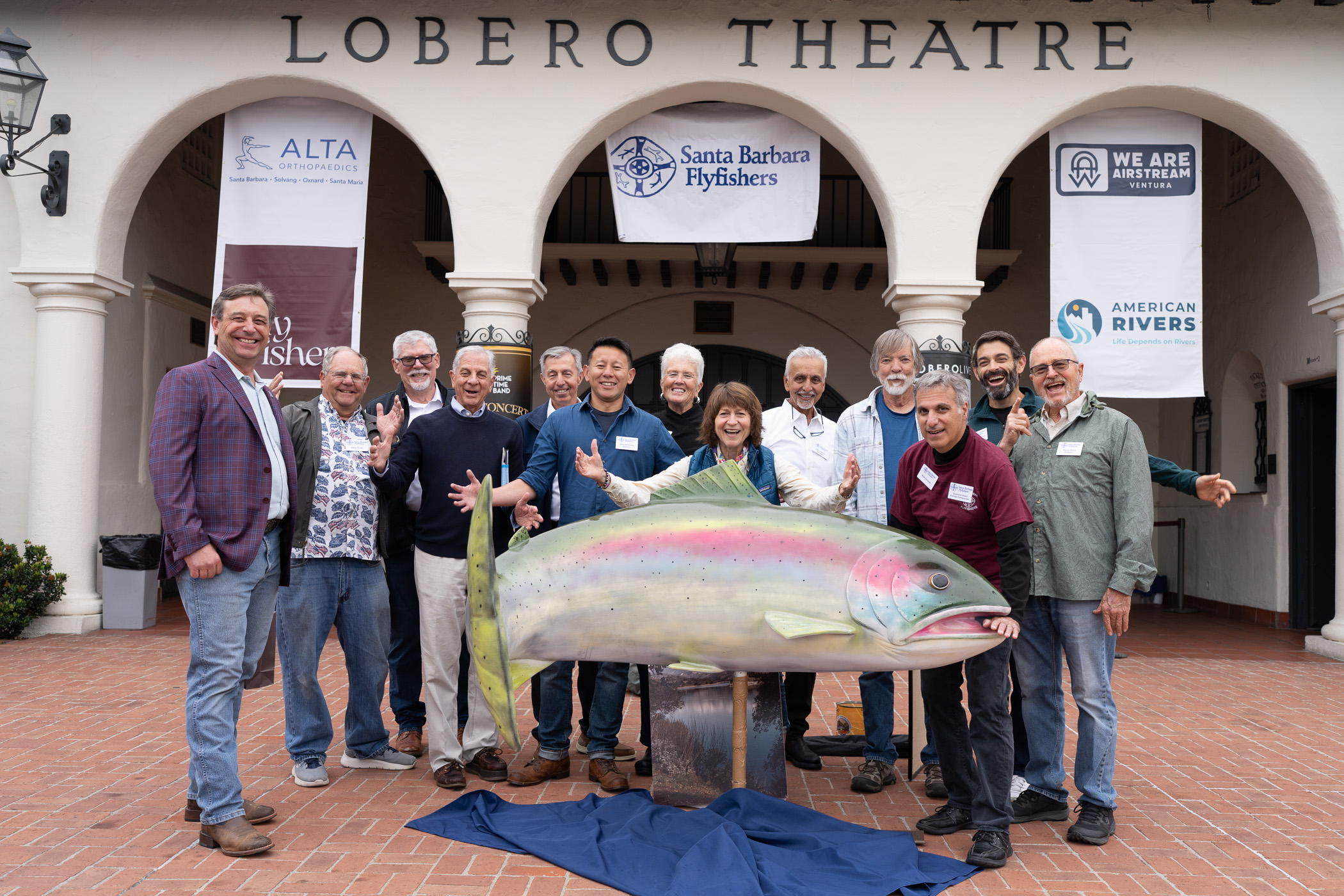
I was reminded of that truth recently in Santa Barbara, California, where a passionate fly-fishing club gathered at the historic Lobero Theatre to celebrate the film. What could have been a simple nostalgic screening evolved into something far more meaningful, capturing a community drawn together by water.
The room was sold out, filled with a couple hundred people—a mix of passionate anglers and many who had never picked up a fly rod. That diversity shaped the evening in a noticeable way, creating a shared experience that reached well beyond the core fly-fishing community.
And yet, everyone was drawn in for the same reason. This night was not really about fishing, but about what fishing represents.
American Rivers President and CEO Tom Kiernan began the evening, speaking to the organization’s 50-plus-year history and its deepening work around clean water, dam removal and species recovery. More importantly, he framed the moment we are living in as a defining one, a true legacy moment in which the responsibility to preserve these rivers for the next generation belongs to all of us.

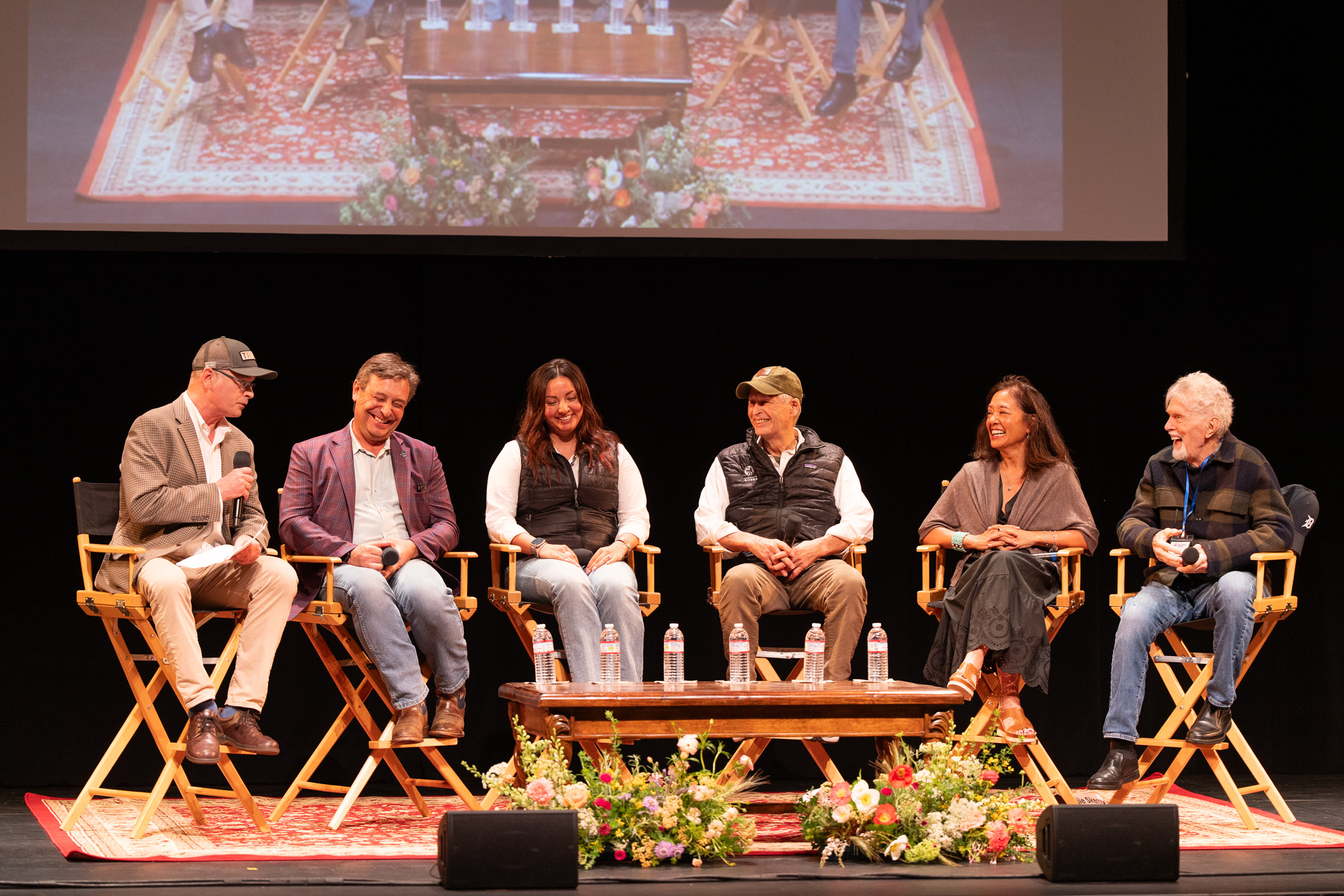
That message carried forward through the panel. Chris Wood, president and CEO of Trout Unlimited, grounded the discussion in the realities facing cold-water fisheries today, while John Maclean offered a more personal perspective, reflecting on the legacy of his father, author Norman Maclean, and the enduring power of storytelling to shape how we understand rivers, family and place.
Together, the panelists explored how the film has influenced development across the West, helped shape tourism economies, and even played a role in conversations around mental health and connection. Despite the range of perspectives, the discussion consistently returned to a single, unifying theme: conservation.
A presence that carried the room
There was something especially powerful about the presence of actor Tom Skerritt that evening.
At 92, he brought a quiet, undeniable gravity into the Lobero Theatre. Having the opportunity to share the stage with him was an honor for me, and it quickly became clear that this was not simply about revisiting a role from the past.
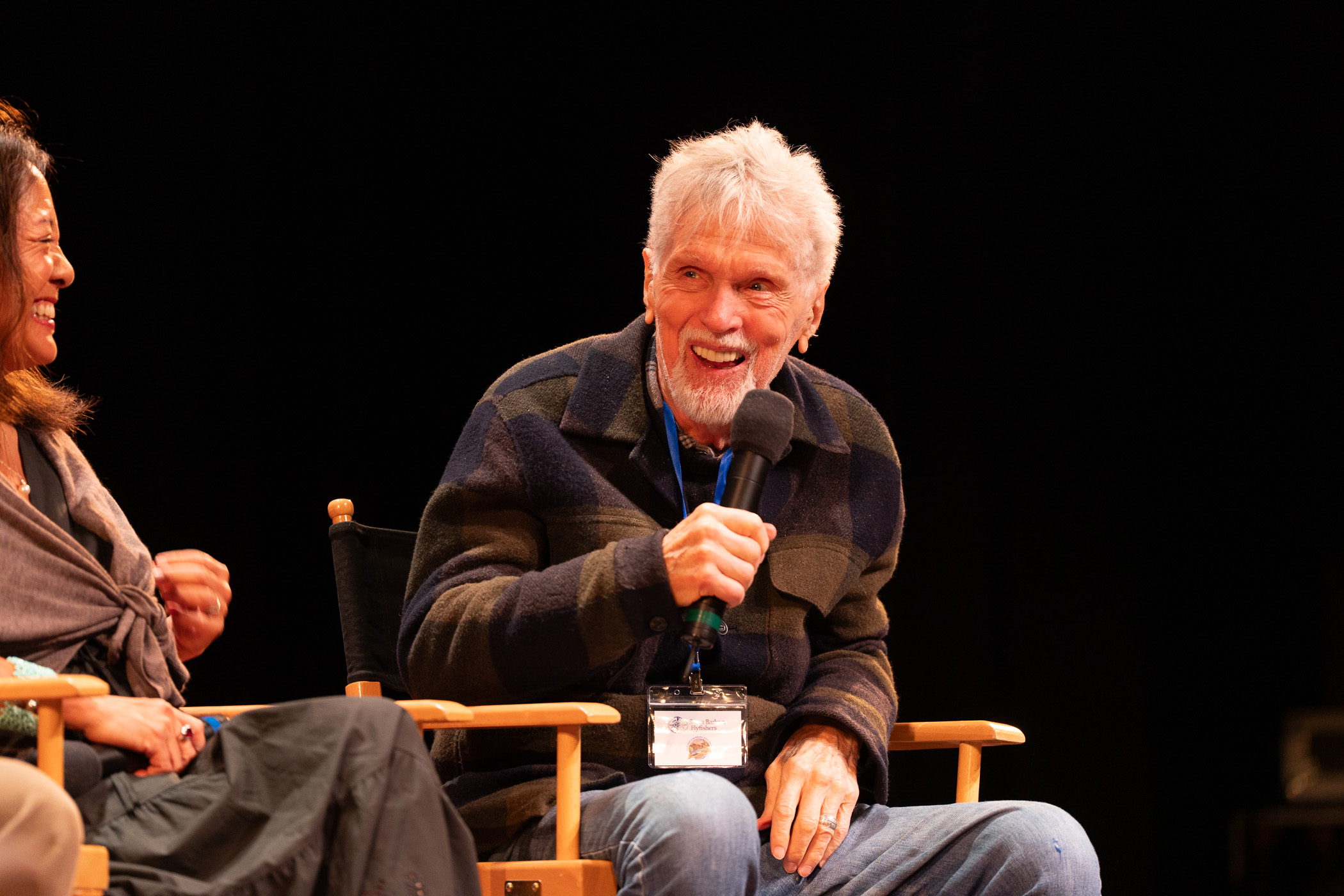
For many, he will always be remembered as the Reverend from “A River Runs Through It,” but in this moment he felt like something more—a steward, dedicating this chapter of his life to conservation and to protecting the landscapes that gave the film its soul.
Time has, of course, shaped the way he speaks. His words come more deliberately now, but what stood out most was not how he spoke, but what he chose to say. With humility and sincerity, and just enough dry wit to remind the room of the storyteller he has always been, he said the film remains one of his favorites and that it left a lasting impact on him personally.
In that moment, the room leaned in. It was not just an actor reflecting on a role, but a man reflecting on meaning.
It is also worth recognizing the vision behind the evening.
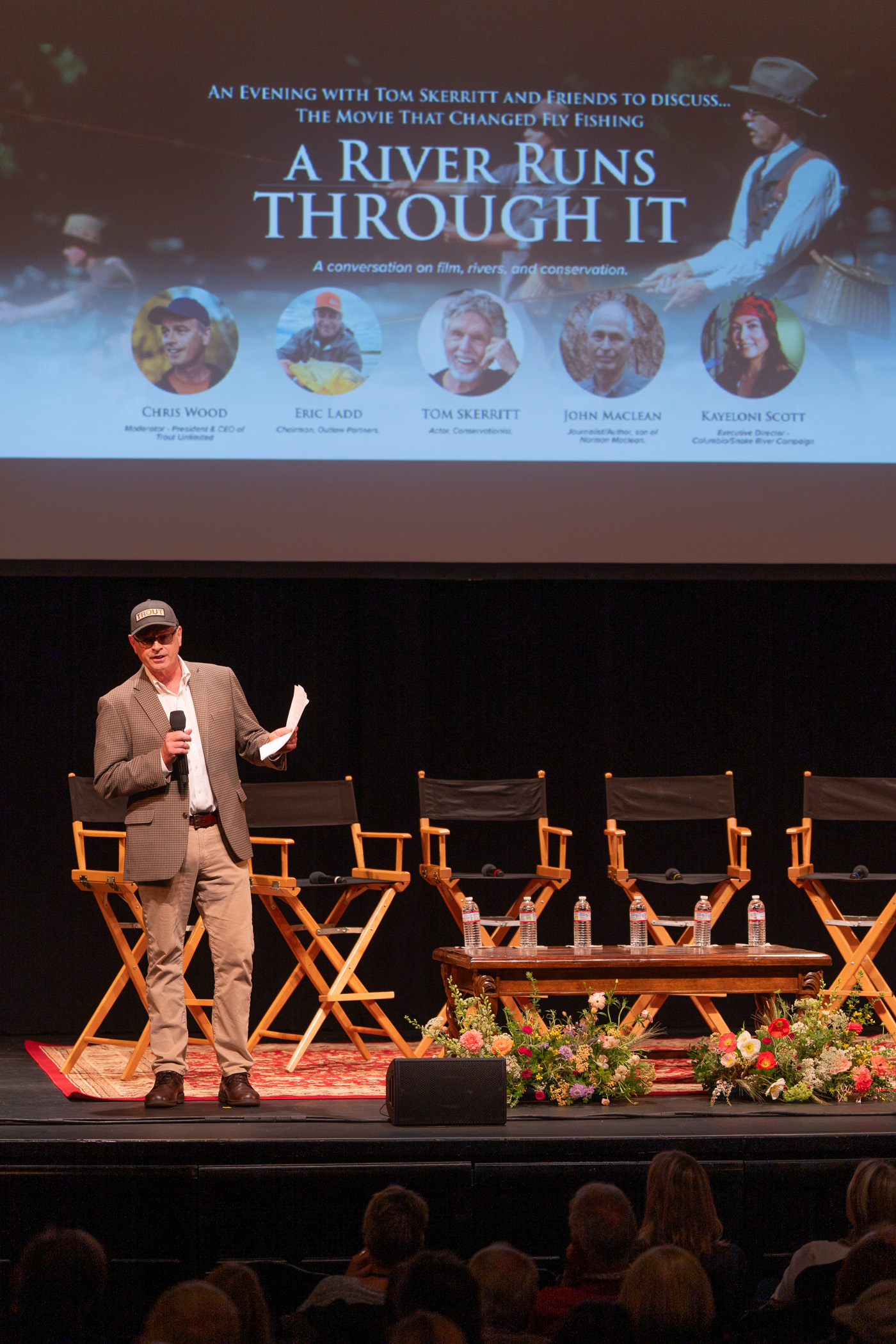
What the Santa Barbara Fly Fishing Club created was more than a screening. It was a blueprint for how communities can come together around both passion and responsibility.
By pairing a film that has meant so much to so many with a thoughtful and relevant conversation, they created something that felt authentic and accessible. It was not overly produced or commercialized, and that simplicity is precisely what made it resonate.
It is easy to imagine this format traveling to other river communities across the country, reconnecting people to what matters and inspiring stewardship.
At its core, this film is a story about family, place and the river itself.
Much of that film captures the Gallatin River, a place that now faces real pressures from growth, recreation and long-term sustainability challenges. What once served as a cinematic backdrop is now a frontline for stewardship.
Rivers across the West are under increasing pressure. The Gallatin River is no exception. As more people are drawn to it, the need to protect its health becomes more urgent. This film reminds us that rivers are not simply resources. They are the threads that tie communities together.
Leaving the theatre that night, it was clear this was more than a screening. It was a reminder: If a river runs through all of us, what are we willing to do to protect it?