
Statistics indicate successful winter 2025-26 business season despite subpar snow conditions
By Victoria Smith EBS CONTRIBUTOR
When Big Sky Resort opened for the 2025-26 winter season, visitors from across the country and globe would soon travel to Big Sky in hopes of enjoying mountainous views and snow-filled activities. As the season progressed, however, many locals discussed concerns surrounding the shortage in snow—would Big Sky businesses experience a quiet season of winter tourism?
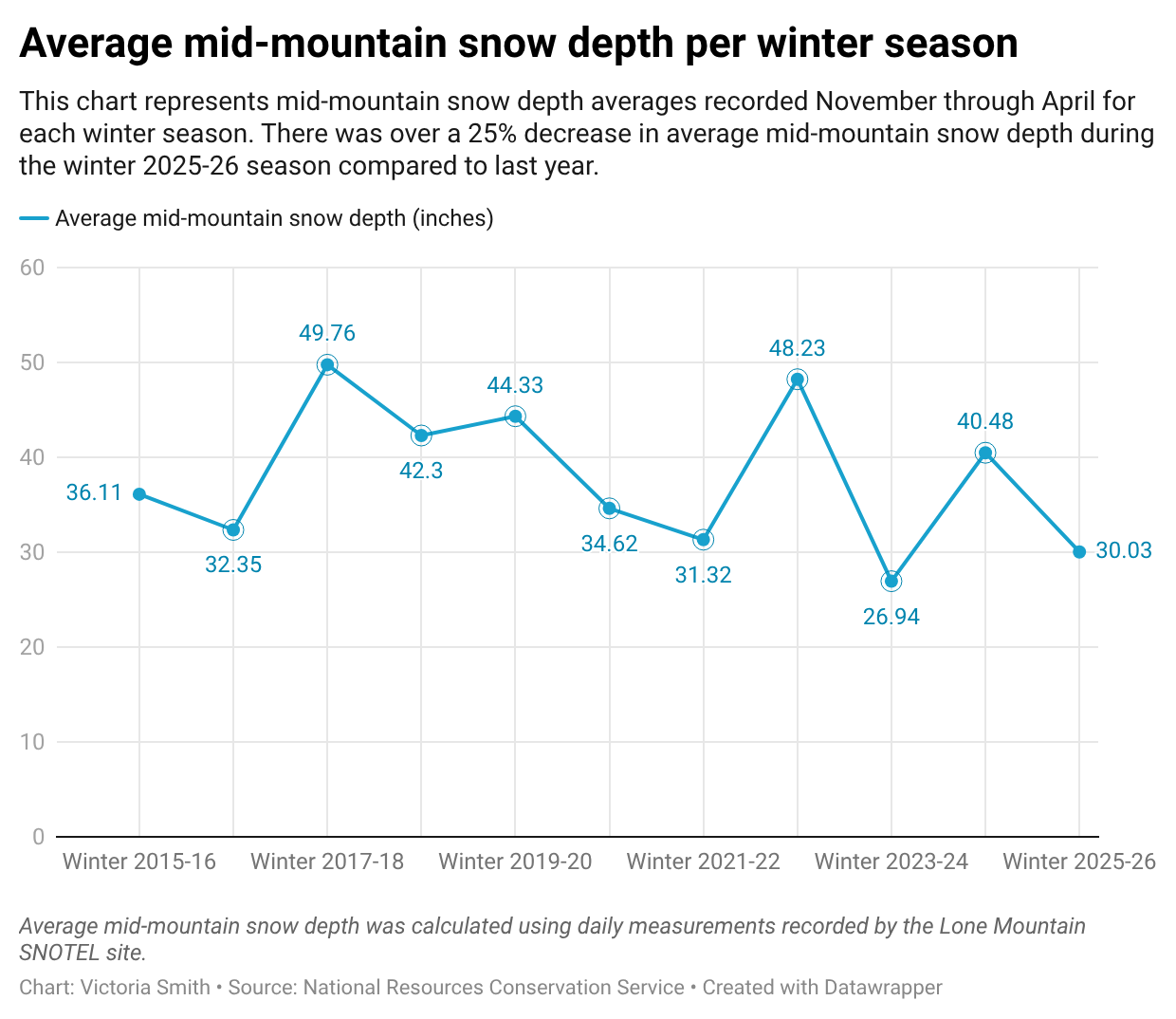
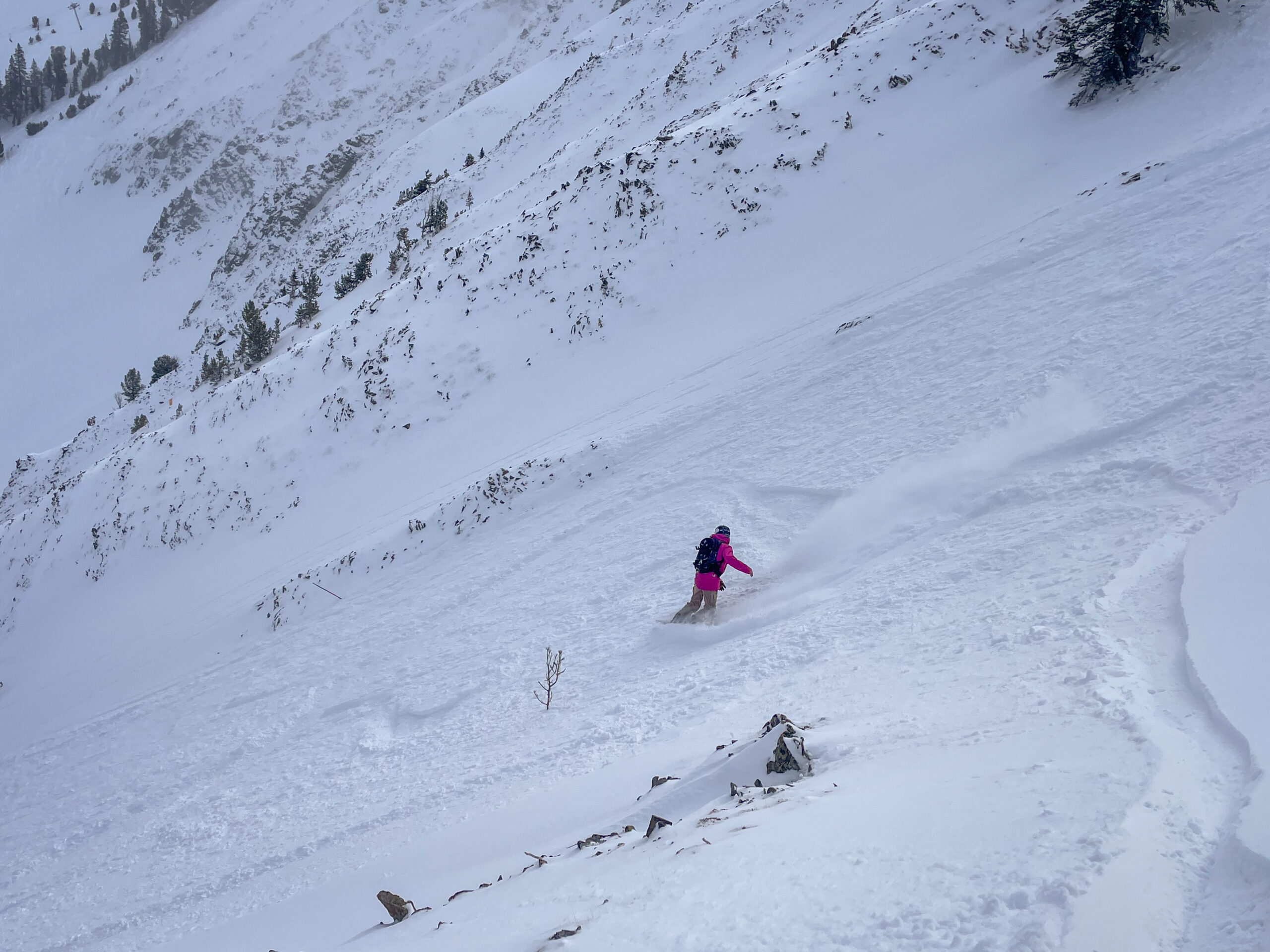
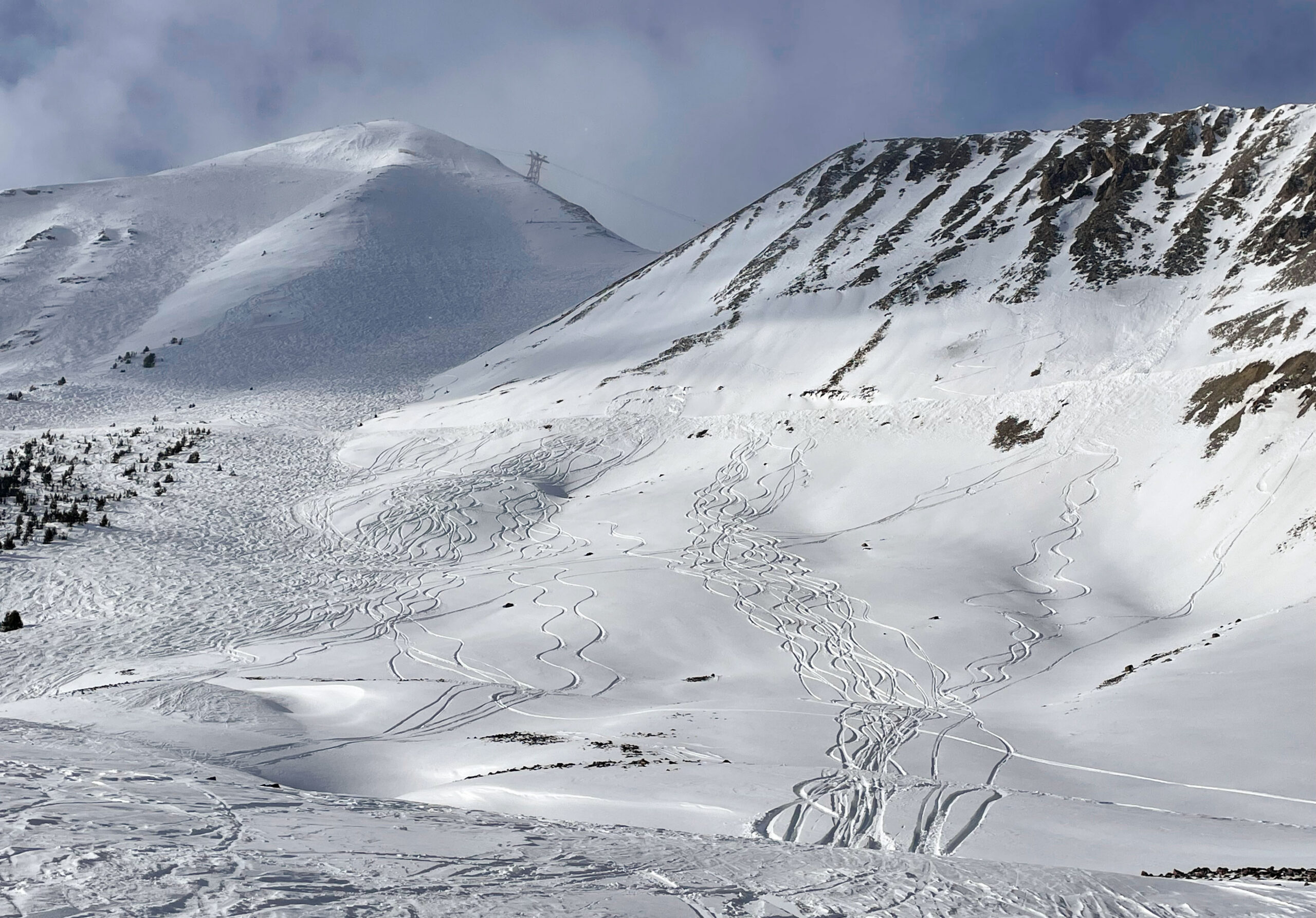
Occasional snowstorms passed through Big Sky, but an extremely warm winter across Montana and the West impacted snowpack depth, especially at lower elevations and south-facing slopes. Based on daily data recorded by the SNOTEL site on Lone Mountain—sitting at a mid-mountain elevation of 8,820 feet—the overall average of snowpack depth this season was 30.3 inches from Nov. 1 through April 30, compared to an overall average of 38.64 inches in the 10 prior seasons.

The season average, calculated using monthly averages, decreased by over 25% compared to 2024-25. Rounded monthly average snowpack depths this season were as follows: November at 6.2 inches; December at 22.48 inches; January at 32.06 inches; February at 37.57 inches; March at 41.35 inches; and April at 40.5 inches. This SNOTEL data provides only a snapshot of overall snow conditions, and this season proved difficult to quantify due to abnormal warmth and unusually dense precipitation.
Although it wasn’t the dream winter for snow sports across the Rockies, Big Sky led its class of Mountain West ski towns nonetheless. At the Madison-Gallatin Joint County Commission meeting on Wednesday, May 13, a presentation led by Visit Big Sky indicated a season of successful winter tourism.
“We outpaced the whole industry throughout the Mountain West this year,” said Brad Niva, CEO of Visit Big Sky and the Big Sky Chamber of Commerce, during the presentation.
From October to March, Big Sky’s hotel and short-term rental occupancy rate surpassed Aspen, Colorado; Vail, Colorado; Breckenridge, Colorado; and Jackson Hole, Wyoming, respectively, as well as numerous other comparable Mountain West destinations, according to VBS data. Big Sky occupancy rates only dropped 2% from December through March this season compared to winter 2024-25.

Furthermore, Big Sky’s average daily room rate was fruitful for hospitality providers, even with the 2% pullback in visitation. In an interview with Explore Big Sky, Niva said that room rates were up 9% compared to the previous winter.
“We are actually collecting more money based on hotel room [rates],” Niva said during the presentation. “Our room [rates] are actually the highest they’ve ever been in Big Sky’s history.”
Darren Brugmann, executive director of the Big Sky Transportation District, added his perspective from an “unprecedented” winter for the Skyline Bus during the presentation.
“Even though we didn’t see a lot of powder days and you would think we would see less ridership, we—in our 20-year history—we carried far more people than we ever have this past winter,” Brugmann said. “Well over a quarter of a million passengers, almost 300,000… It by far exceeds any other season we’ve ever seen.”
By contrast, Niva noted that Big Sky is still very underdeveloped as a summer destination compared to peers, and summer tourism represents a strong growth opportunity for the business community. Especially as hospitality offerings continue to develop, Niva expects to see overnight summer visits increase—the most economically valuable guests stay for multiple nights, he said.
Visit Big Sky has used targeted mobile advertising to attract individuals who frequently visit competitor destinations, Niva explained, also noting that for every $1 spent on marketing, Visit Big Sky tracks $75 in business brought into the community. Furthermore, in an interview with EBS, Niva mentioned recent national media coverage on Big Sky over the past two years, including a late-2023 feature by Vogue, a late-2025 “Destination of the Year” listing by Expedia and a top-notch ski resort ranking by Ski Magazine ahead of the 2025-26 season.
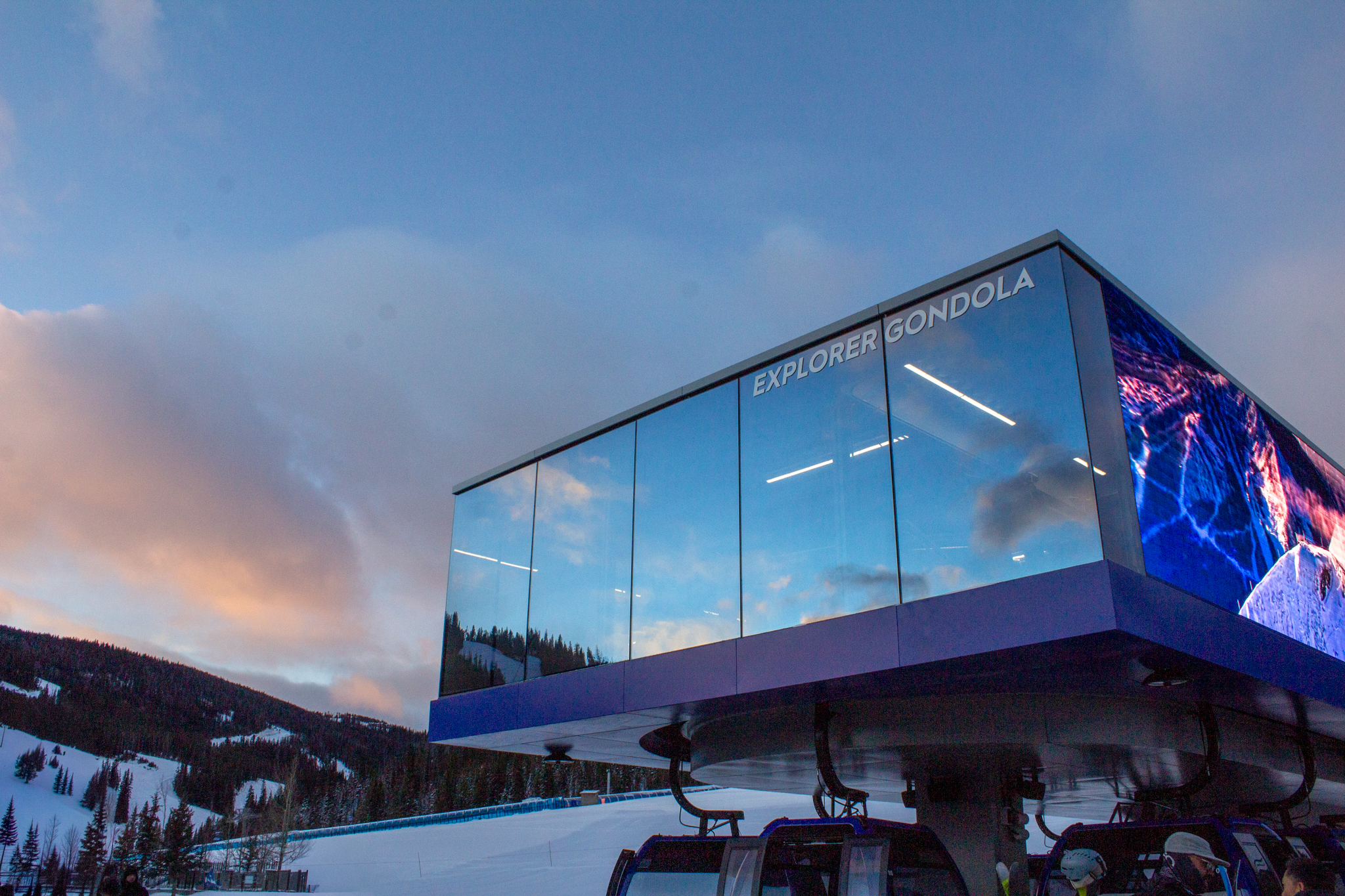
“We are, right now, a shiny penny… People are very curious about our community. They have been hearing about us for a number of years,” Niva told EBS. “The word on the street in the skier world, or winter resort [world], is that Big Sky is something that everybody wants to see.”
According to Visa credit card data compiled by Blue Room Research, Big Sky’s strongest visitor markets are areas with direct flights to Bozeman: projections estimate that greater New York City visitors spent $3.79 million in 2025; Chicago visitors spent $2.55 million; Los Angeles spent $2.43 million; Seattle spent $1.52 million; San Francisco spent $1.46 million; and Boston spent $1.37 million. Houston, Washington, D.C. and Minneapolis follow close behind.
EBS reached out to Big Sky Resort for comment regarding tourism and visitation this past winter season, and the resort did not provide a statement in time for this story’s publication.
Resort tax collections outpaced prior year; business owners reflect
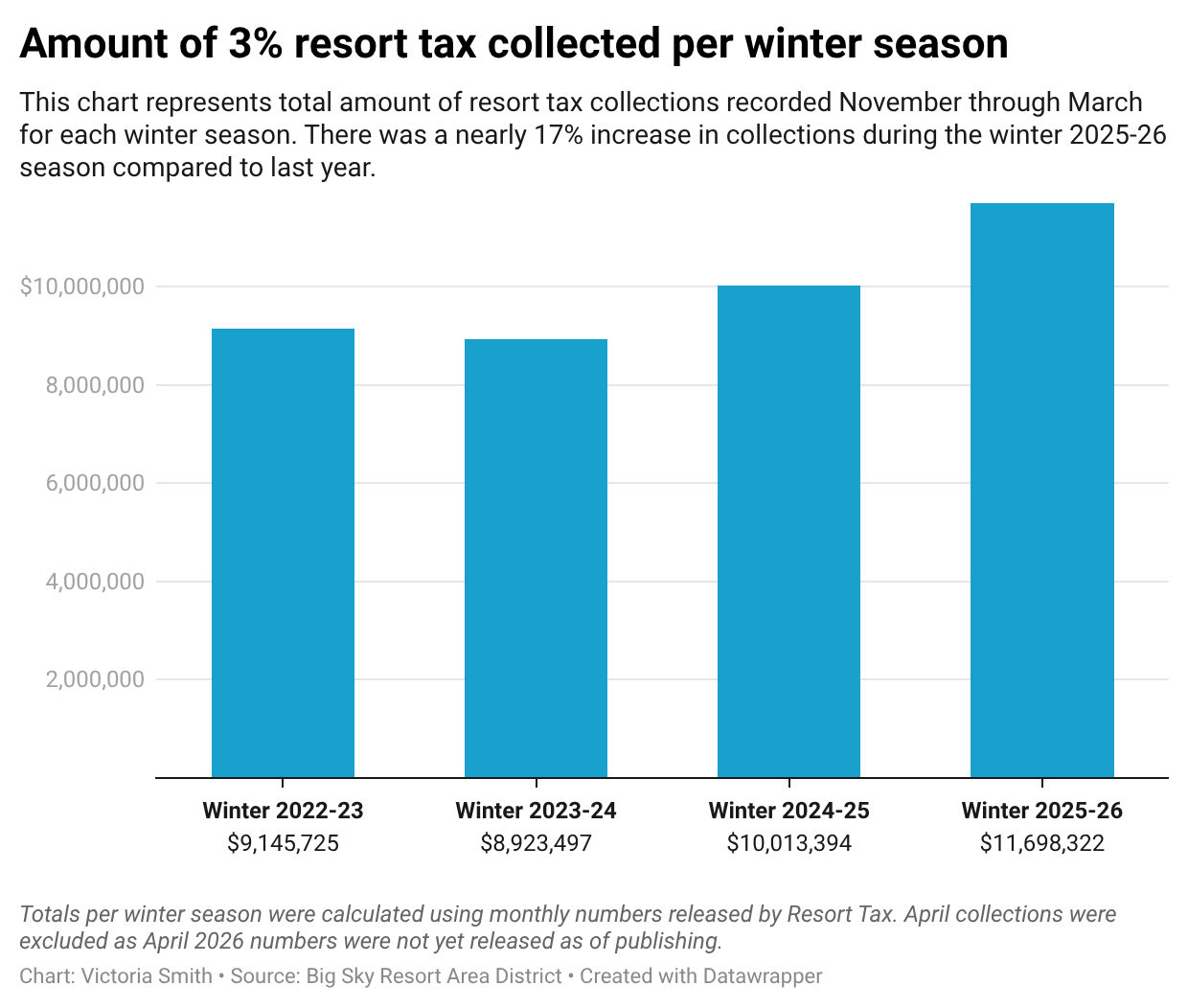
Based on a recent resort tax collections report released by the Big Sky Resort Area District on May 13, winter business this season—November through March—generated approximately $11.69 million in 3% resort tax collections. This is an increase of nearly 17% compared to the same period last year.
Although the growth in resort tax collections can be influenced by the increased prices of goods and services, some local businesses still indicated a successful season. Duane Gietzel, store manager of The Country Market, said sales increased compared to the year before.
“It was a rough year for the skiing conditions, I’m sure, but I had many customers comment too that the whole Pacific Northwest was rough for snow this year, and [Big Sky was] the best option available,” Gietzel said. “I think maybe the fact that it was the whole region, and not just us, helped.”
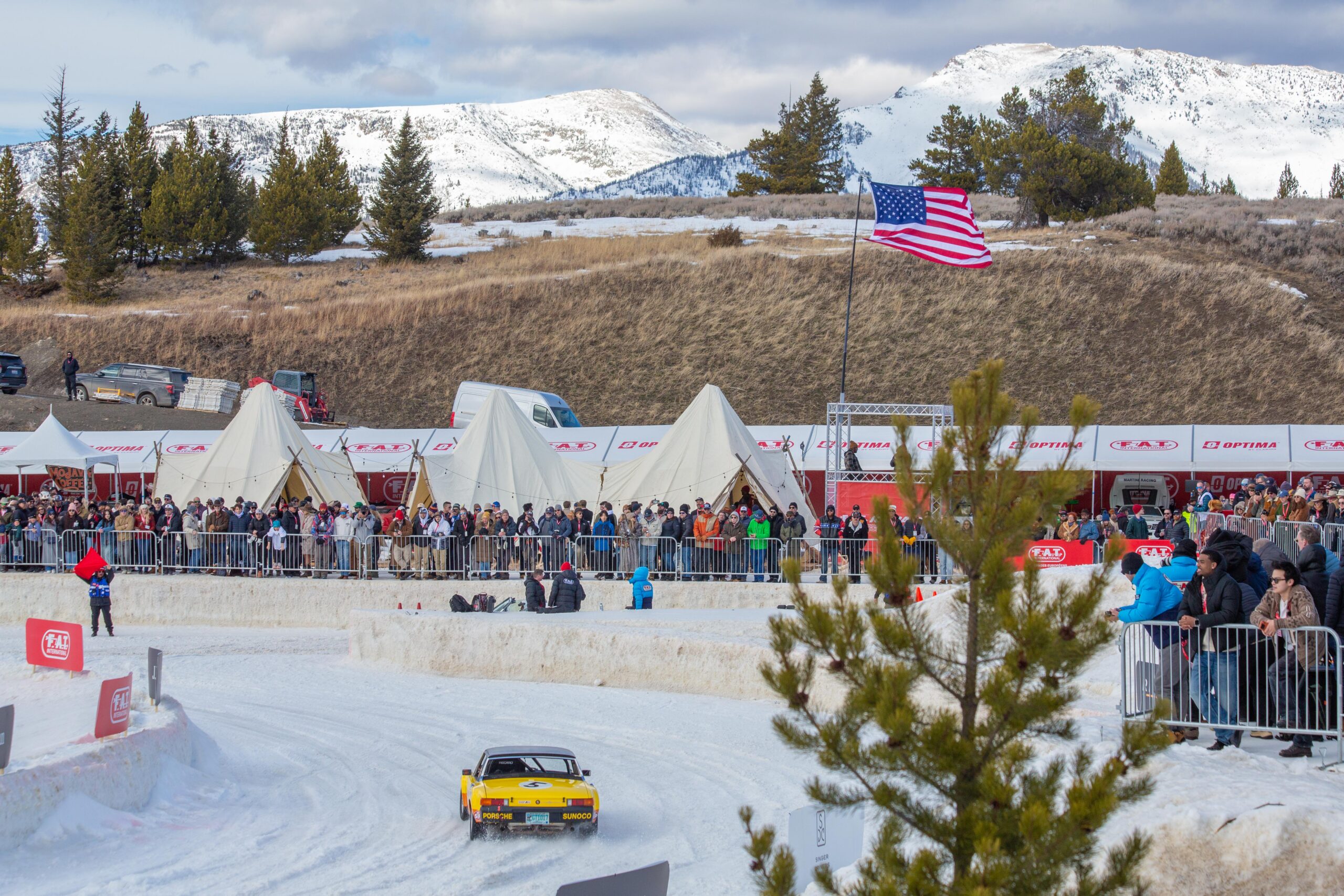
Gietzel further attributed the winter season sales to locals who frequent the full-service grocery store—folks who stick around regardless of snow conditions—and an increase in workforce housing developments, like the Powder Light and RiverView apartment buildings near the store. He said there was a slight influx in customers during the late-February F.A.T. Ice Race in Big Sky, too.
This luxury motorsport event also affected sales for the Blue Moon Bakery, which had a booth at the race selling pizza by the slice.
“I think events like that can help,” owner Patrick Griffith told EBS. “Another event that we usually do that usually helps bring people to town is the skijoring, but that didn’t happen this year… We gained a big event, and we also lost a big event.”
Throughout the season, Griffith encountered customers who switched their travel destination to Big Sky after hearing Big Sky Resort had better snow conditions than most mountains in the West. He said that Blue Moon Bakery experienced plenty of tourist business this season, and that the lacking snow conditions may have even assisted sales. He also acknowledged Visit Big Sky for its marketing efforts that he believes helped draw new visitors to the area.
“I think a lot of people might have hit the mountain for more days of their vacation if the snow was better,” Griffith said. “But since the snow wasn’t great, I think they were looking for other stuff to do around town, so I think that kind of helped push our lunch business a little bit.”
Other local businesses rely on snow for seasonal-based services, including Canyon Adventures which offers snowmobile rentals and tours in the winter, utilizing the Buck Ridge trail in the Custer Gallatin National Forest.
“It’s all just kind of what Mother Nature gives us, unlike the ski resort that can make snow up there,” said Bri Sullivan, office manager of Canyon Adventures. “… We definitely got hit pretty hard with the lack of snow this year.”
Canyon Adventures saw an overall decrease in bookings this season compared to last year. Customers who booked in advance often went through with bookings, Sullivan said, while visitors who came to Big Sky without bookings may have been deterred from snowmobiling after noticing the lack of snow.
“We definitely had to cut our season quite a bit shorter [this year], and there were a couple days throughout the season where we did just close down, having to wait for more snow to come so we could operate again,” Sullivan said.
Despite the overall decrease in snowmobile bookings, Sullivan said that the holiday season—the week before Christmas through the New Year—still brought in customers, as well as spring break in March.
In short, the 2025-26 winter season appears to have displayed the power of Big Sky’s tourism and business community to overcome sub-optimal snow years, especially when warm, dry conditions plague the entire U.S. Rocky Mountain region. Still, Niva said snowfall is a “game-changer” for the entire industry, and the Big Sky community will no doubt be hoping for a snowier winter in 2026-27.
“The one thing we can’t do is control Mother Nature… Every ski area across the West was affected by a lack of snow this year, so overall, we had a phenomenal year compared to our peers,” Niva told EBS. “… We should thank our lucky stars that we came out the way we did.”
Jack Reaney contributed reporting to this story.