
Big Sky’s local transportation has seen thousands more passenger rides after changes
By Jen Clancey STAFF WRITER
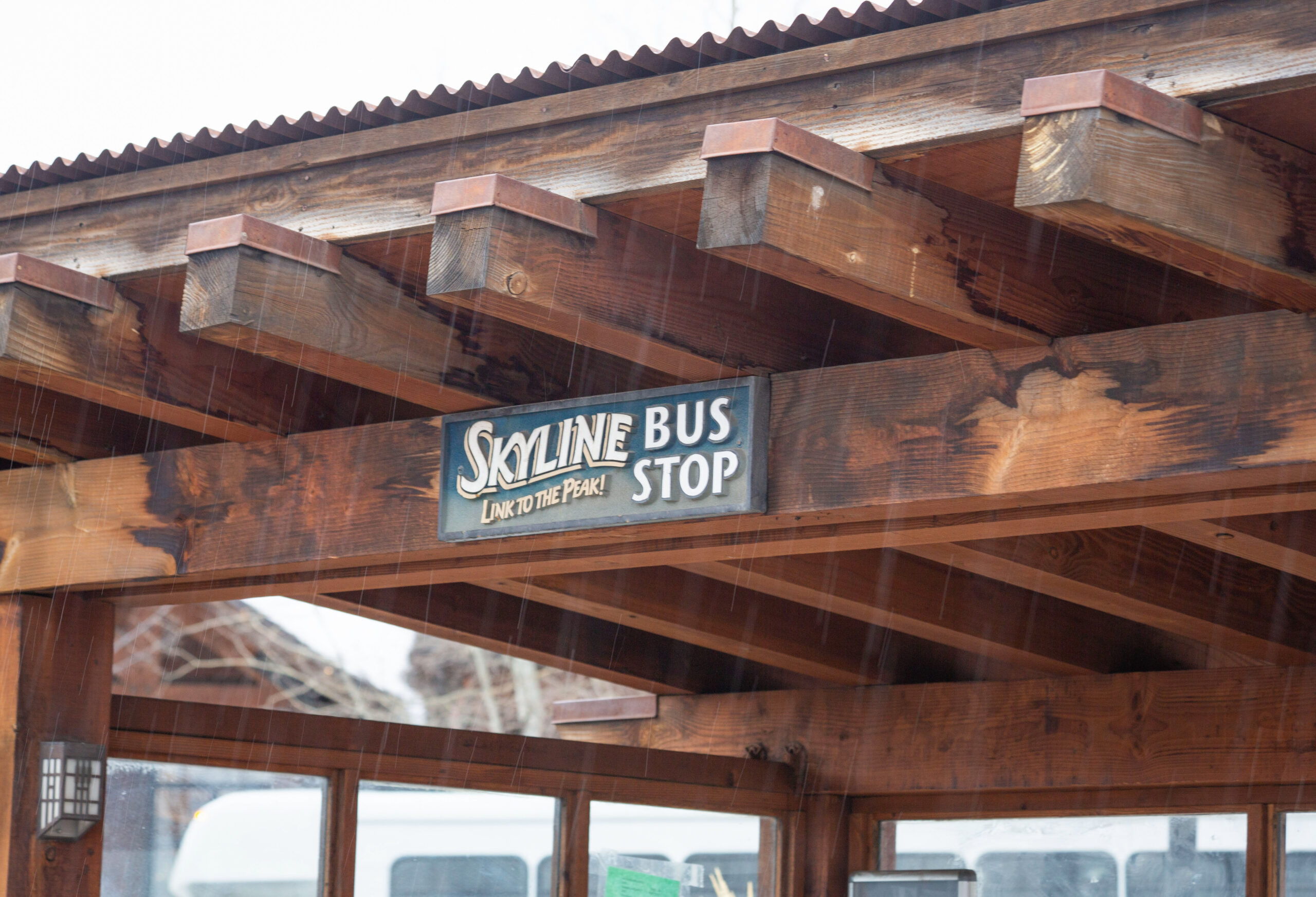
Low snow isn’t putting a damper on local transportation use in Big Sky. According to Big Sky Transportation District Executive Director Darren Brugmann, ridership of the free public transportation options have soared, mostly due to an expansion of Skyline’s short-ride service, Big Sky Connect.
“Even with this year, this winter that we’re all struggling with the snow, we are seeing an unprecedented number of passengers,” Brugmann told the Big Sky Resort Area District board on Feb. 11. “We have carried more people than we ever have and continue to each month.”

In 2025, Skyline completed 42,000 more passenger trips than in 2024, totaling to 340,000 passenger trips by the end of the year. Brugmann credited Big Sky Connect’s success in the Mountain Village area near the base of Big Sky Resort. The Connect service is fare-free and on demand, operating like an Uber in Big Sky with specific service areas. In 2025, Skyline replaced its fixed route bus in the Mountain Village area with Connect, and this past December and January, the service tallied 45% more passenger trips. While the bus route used to pick up passengers on an hourly basis, the Connect vans can reach passengers in a matter of minutes, depending on the demand.
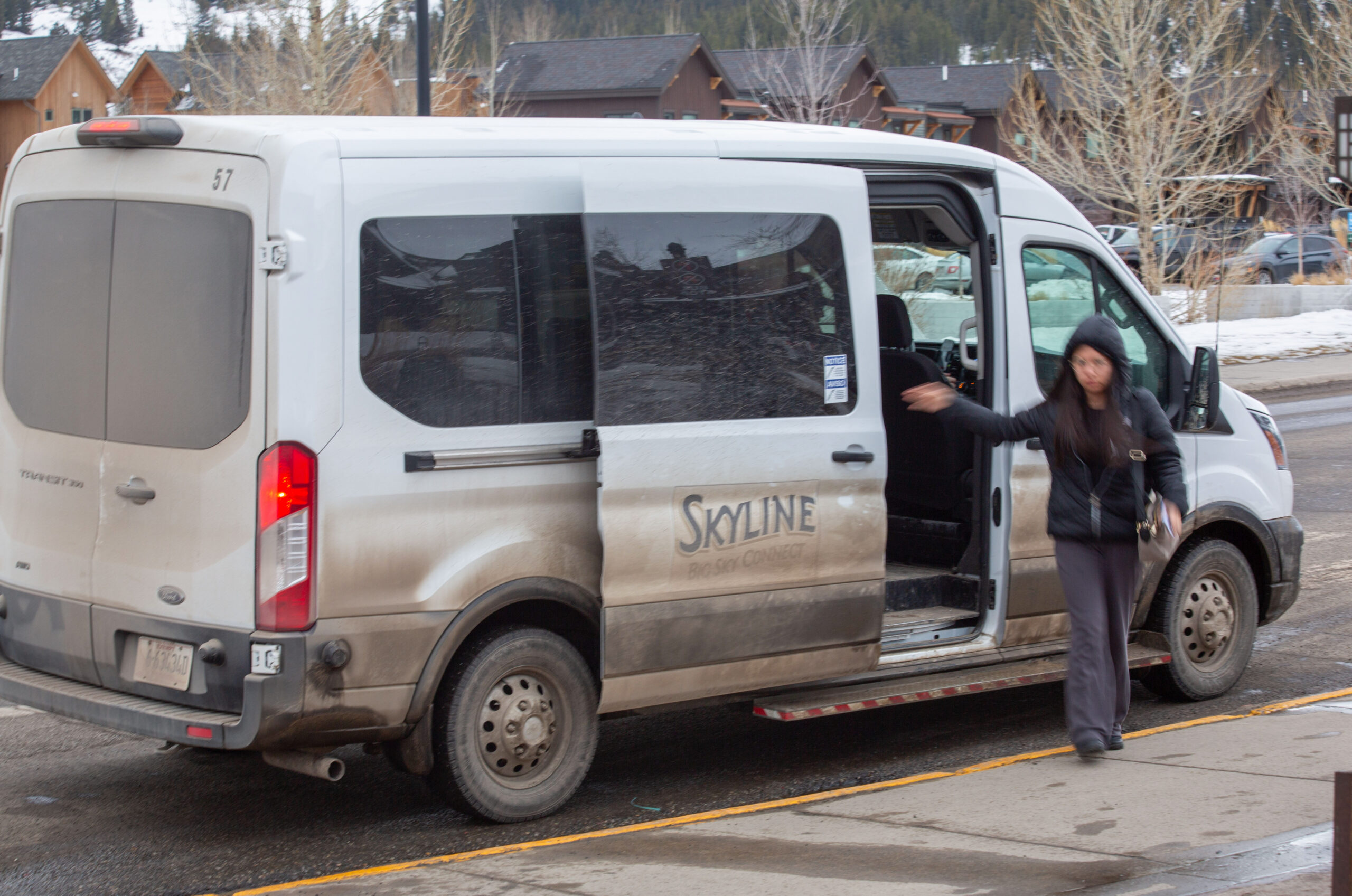
“We finally were able to introduce [Connect] this winter and the fixed route circulator that served the Mountain Village last year, compared to what we’re doing on demand, has definitely showed that it’s much more convenient and much more liked by the public, just by the sheer numbers we’re seeing,” Brugmann told EBS in a phone call. While the district doesn’t have numbers to describe whether passengers are visitors or locals, Brugmann said that because of the area, Connect is likely most useful for all of the above—visitors, homeowners and employees.
“The village is a little different because we are picking up at condos that people own or rent out for tourists and guests. But we still believe the majority, a lot of them are employees that are being housed up there either by the resort or what have you, and taken to the resort main entrance,” Brugmann said.
The transportation district applied for more than $200,000 to improve technology of public transit services and learned they’d been awarded a federal grant in the fall of 2025. Upgrades through this new funding would include a bus tracker that passengers can view to see if their bus is running on schedule, automatic passenger counts to assess the most trafficked routes and an electronic fare option.
Brugmann shared the ridership numbers and popularity of new services with BSRAD to show how funding in the future supports a public desire for more accessible transportation.
“To me, it just demonstrates that there is a strong need for public transit and many are using it and will use it if we are able to keep meeting that demand and offering more service,” Brugmann said.
The BSTD will continue to look for funding options and grants to fulfill the need for local and paid regional services, as well as make improvements to attract more passengers to public transit.