

By Benjamin Alva Polley EBS COLUMNIST
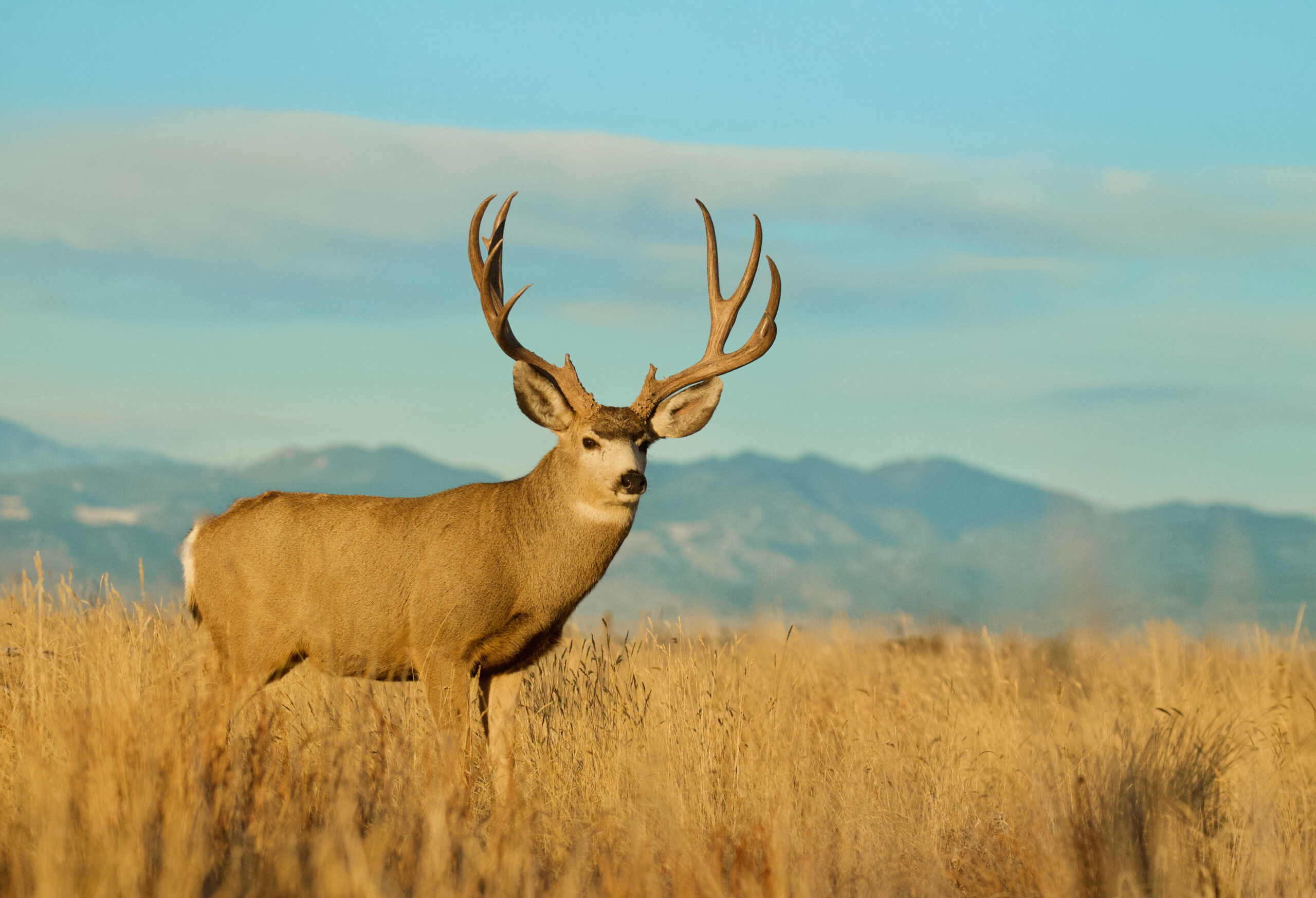
A study published in September in Rangeland Ecology & Management reveals that mule deer actively avoid areas dominated by cheatgrass and other invasive species. If left unaddressed, these invasive plants threaten to eliminate key mule deer habitat in northeastern Wyoming. There is hope, though.
Mule deer prefer habitats with low levels of invasive grasses, relying on healthy sagebrush and other native perennial plants for food. The research indicates that as cheatgrass and similar invasive species spread, mule deer will increasingly abandon areas with more than 13% invasive cover. Significant avoidance occurs when invasive grasses exceed 20% of the land, potentially leading to a loss of half of their high-quality habitat over the next two decades without intervention.

Kurt Smith, the study’s lead author and senior research scientist at the University of Wyoming, emphasizes the urgency: “The picture is grim if we sit back and do nothing. But there’s plenty of hope that we can maintain big game populations if we strategically treat cheatgrass and other invasives,” Smith said in a story by UWagnews.
To analyze mule deer movement, Smith and his colleagues GPS-collared over 100 deer and mapped their movements against vegetation types using the Rangeland Analysis Platform. They forecasted two scenarios: one where invasive grasses continued to spread unchecked, and another where active management, including herbicide application, reduced invasive species and allowed native plants to recover.
After compiling deer movement and vegetation data, the researchers forecast what the future might look like under two scenarios: one where invasive grasses continue to spread across the sagebrush biome at current rates, and another where active management actions—like applying herbicides—reduce the weeds and allow native perennials to recover.
Without protection for core sagebrush areas, invasive annual grasses could reduce high-quality mule deer habitat by 62% in the next 20 years. To combat this, various partners across the West are developing collaborative solutions for landowners and land managers to conserve sagebrush rangelands and the wildlife they support. Programs like IMAGINE and the USDA Natural Resources Conservation Service’s Working Lands for Wildlife offer tools, funding and technical support for managing invasive grasses. Meanwhile, the Wyoming Migration Initiative collaborates with agencies and Tribes to provide migration maps and science-based strategies for prioritizing weed treatments that benefit the region’s iconic big game species.
Benjamin Alva Polley is a place-based storyteller. His words have been published in Rolling Stone, Esquire, Field & Stream, The Guardian, Men’s Journal, Outside, Popular Science, Sierra, and other publications, and can be seen on his website.