
Letter from the Publisher
As 2025 comes to a close and I enter my 16th year as publisher of one of Montana’s largest and most trusted media companies, I find myself reflecting on the work, the people and the place that make this newspaper matter. I am incredibly proud of the talented editors, writers, photographers and designers who bring Explore Big Sky to life. This hometown paper is produced by a team that cares deeply about truth, community and helping our region understand itself more clearly.
Over the years, my role as publisher has evolved. Yes, we are charged with delivering quality, thoughtful and truthful journalism. But I’ve realized a bigger responsibility rests with us as well: to help identify the issues that truly shape our future, and to work toward solutions. Increasingly, I see our legacy not only in the stories we tell but in the conversations we spark, the bridges we help build and the problems we refuse to ignore.
If there is one thing I’ve learned over the years, it’s this: when people get involved and bring passion, ideas and persistence, real progress becomes possible.
Eric Ladd, publisher
Throughout 2025, many of you wrote, called or stopped me in town to talk about the topics keeping you up at night. Truthfully, many of them keep me up too. Here are some I consider the most urgent.
The U.S. Highway 191 and Montana Highway 64 crisis

The ongoing safety saga on U.S. 191 and MT 64 dominated headlines and community discussions this year. With traffic at an all-time high, collisions with wildlife increasing and accident numbers rising, our roads have become a daily source of anxiety for residents, commuters and visitors. Animal migration corridors are choking off. The carcasses on the shoulders tell their own heartbreaking story.
The Montana Department of Transportation is full of good people doing their best, but they are drastically under-resourced, carrying nearly $500 million in backlogged road projects on U.S. 191 alone and navigating layers of bureaucracy that delay action. This must become a top priority in 2026 and beyond. Until then, the danger remains real and growing.
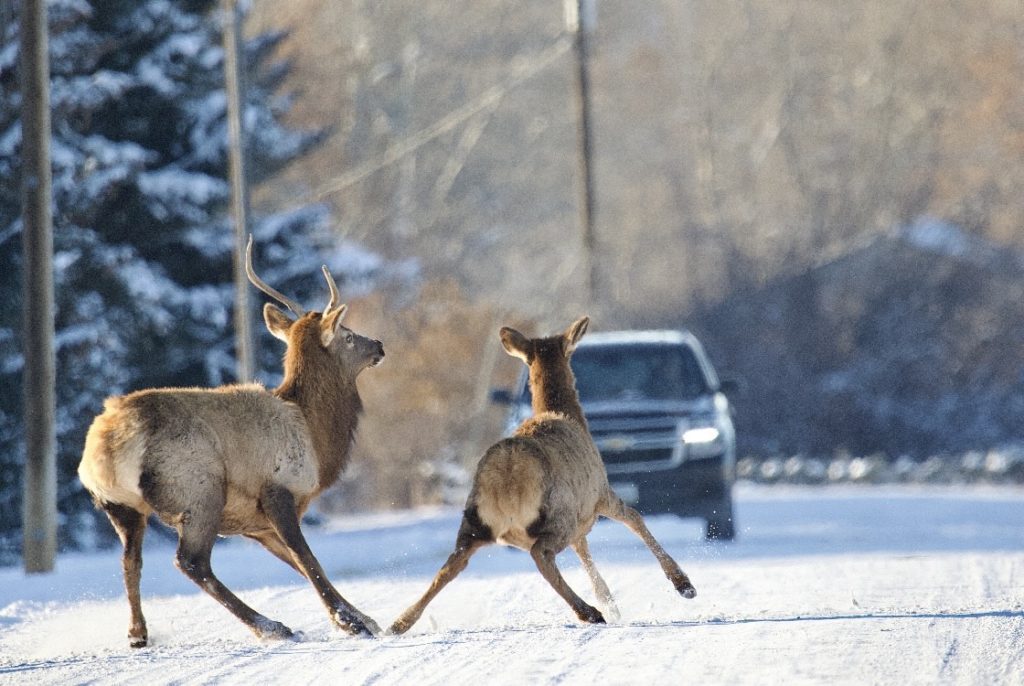
Part of the solution lies in supporting the organizations and initiatives working tirelessly on this issue. Groups like the Center for Large Landscape Conservation are driving research, partnerships and policy that can help restore wildlife corridors and improve transportation safety. Meanwhile, new state programs, such as Montana’s Wildlife Crossing license plates, offer simple, tangible ways for Montanans to contribute funding toward wildlife-friendly infrastructure.
In the meantime, before long-term fixes arrive, you can be part of the solution: Slow down. Drive smart. Stay alert. And give the road—and the wildlife that shares it—the respect it deserves.
Every mindful driver makes a difference. Every thoughtful choice behind the wheel can save a life.
The mental health and community violence crisis
This year, my alma mater, Evergreen High School in Colorado, was the site of a shooting. It shook me deeply in a way that statistics alone never could. As I reached out to state and federal delegates seeking ideas, solutions or even sincere engagement, I was struck by the silence. The political landscape has become so polarized that topics like mental health and community violence, issues that should unite us, are instead avoided.
While politics stall, our communities cannot. We must support the local mental health agencies, counselors, nonprofits and crisis teams who are doing the daily work to help our neighbors. We must also give continued respect and support to law enforcement and first responders who protect us, respond to emergencies and bear the emotional toll of these moments.
We must remain vigilant about protecting our public spaces and our schools. Safety is not something we can take for granted. Every one of us has a role: to stay aware, stay engaged and never let our guard down.
If meaningful action is going to happen, it may not come from Washington D.C. It will need to come from local leadership, local voices and local courage. This is a conversation our communities must own, and Explore Big Sky will continue creating space for it.
Protecting our rivers: The GYREAT Act
One of the most encouraging developments this year was the momentum behind protecting two of Montana’s most iconic rivers: the Gallatin and the Madison. After years of work from conservation groups, outfitters, local leaders and citizens across the political spectrum, Congressman Ryan Zinke introduced the Greater Yellowstone Recreation Enhancement and Tourism Act in 2025. The bill would grant Wild and Scenic River protection to key stretches of these beloved waters.
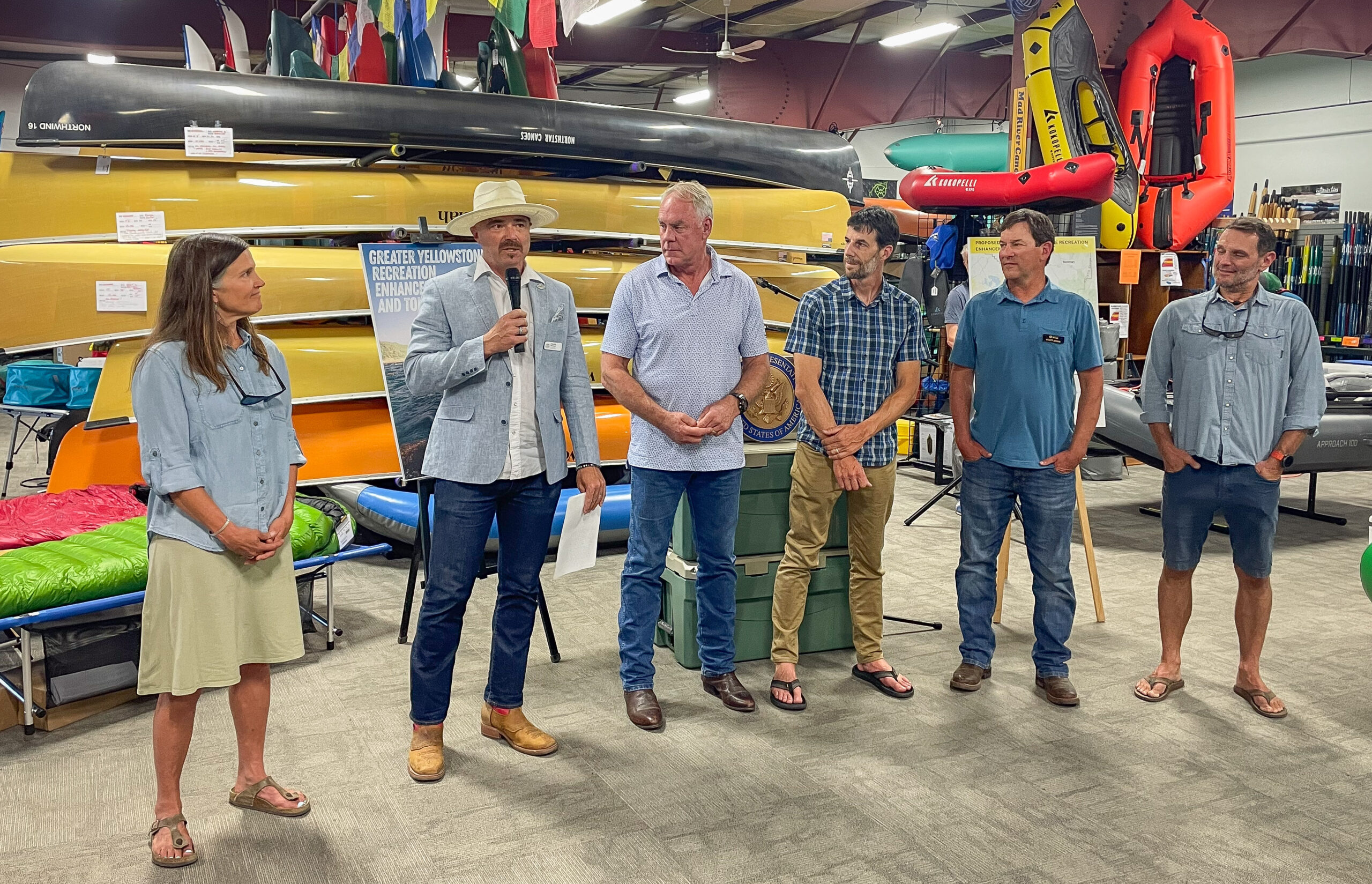
The need is clear. These rivers define our landscape, fuel our economy, nurture wildlife and shape our way of life. Yet they remain vulnerable without permanent safeguards.
The bill now sits in Washington, D.C., awaiting a senate sponsor. And so the question becomes: Will Sen. Steve Daines or Sen. Tim Sheehy rise to the moment in 2026 and introduce the companion legislation for this widely supported bipartisan bill?
Protecting our rivers is not a political issue—it is a Montana issue. Let’s hope our elected leaders seize the opportunity.
Growth, identity and the future of southwest Montana
Our region remains one of the fastest-growing in the country. With that growth comes opportunity, but also strain. Housing affordability, cost of living, infrastructure demands and the preservation of our quality of life continue to top the list of concerns.
If 2025 taught us anything, it’s that we cannot simply wait for government—local, state or federal—to sweep in and solve our problems. The responsibility for thoughtful growth and responsible development rests with us—with business owners, land stewards, community leaders and everyday residents who care enough to show up.
We must build sustainable communities, places where people can live, work and raise families with dignity. That means supporting local businesses, investing in infrastructure that keeps pace with growth and creating housing that serves the people who make this region run. And it means recognizing that “community” includes not just our human neighbors, but our four-legged ones too. The wildlife that moves through our valleys and across our roads is part of the heritage we are all trying to protect.
Growth can lift a community or fracture it. The difference lies in the choices we make and whether we stay committed to the values that drew us here in the first place.
A moment of hope
Even amid these challenges, moments of profound inspiration break through. One of them happened backstage at this summer’s Wildlands concert, here in Big Sky. Headliner Dave Matthews asked to learn more about the ethos behind Wildlands—why we built it, why conservation is at its core and what we hope it will inspire in the years ahead.

As we talked, he told me something that struck hard: “Greed is killing society. What we need is more people choosing to support each other.”
Later that night, unprompted, he matched our fundraising efforts, bringing the total to more than $1.3 million donated to local conservation initiatives. It was profoundly impactful to witness the generosity of the Matthews family, their management team and the other artists who helped make Wildlands a record-setting night of giving back to a great cause.
That moment reminded me why we do this work. Why community matters. Why hope still has a place here.
Closing thoughts
As we turn the page into 2026, I remain deeply grateful for this community and for each of you who reads this newspaper. Thank you for caring, for speaking up and for participating in the conversations that shape our region.
And I encourage you—reach out to our editors. Let us know what issues need attention, what stories deserve more coverage and where our reporting can help spark progress. Your voice matters, and we are listening.
If there is one thing I’ve learned over the years, it’s this: when people get involved and bring passion, ideas and persistence, real progress becomes possible. The most meaningful action happens at the local level where your voice truly carries weight. Sitting back and staying frustrated is no longer an option if we want to see change.
Lean in. Show up. Be part of the solution.
On behalf of the entire Explore Big Sky team, thank you for your trust. Here’s to a safer, stronger, more connected, more compassionate 2026.
Eric Ladd, Publisher