



By Emily O’Connor GUEST COLUMNIST
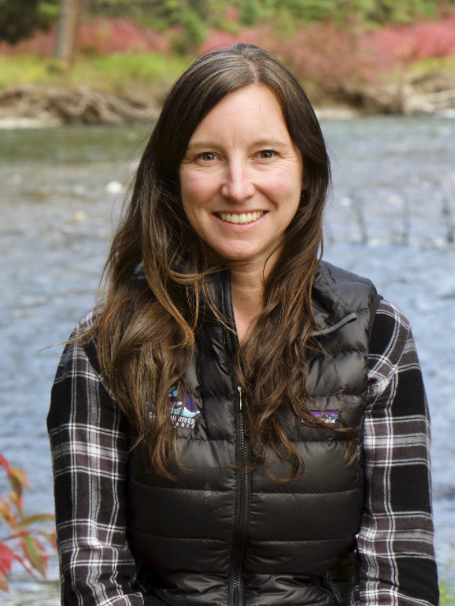
The Gallatin River is more than just a waterway—it’s a vital lifeline that defines southwest Montana. My first experience on the Gallatin was during the summer of 2012 when my husband and I visited Montana just before he took a job here in Big Sky. While fishing may have been the initial draw to the river that day, my memory also includes the realization that if we were just two of millions of visitors to the Gallatin each summer, what must all that foot and car traffic be doing to the health of this spectacular river?
The allure of the Gallatin is also its challenge. The very visitors drawn to enjoy the river are contributing to the degradation of important streamside vegetation that protects water quality and provides critical fish and wildlife habitat.

Fast forward a few years, and I found myself with the opportunity to help address this problem in my role as the chief operating officer of the Gallatin River Task Force, leading efforts to create and implement the Gallatin River Restoration Strategy.
Restoration work has become one of the most important priorities for the Gallatin River Task Force. With the growing threats to the river from increased recreation, land development, and a rapidly changing climate, the need for an intentional, science-driven plan to keep the entire upper Gallatin River healthy has never been greater. Site-specific projects that include improved parking, designated fishing access, restored streambanks, and preserved riparian areas will help sustain wildlife habitats, improve in-stream health, and support river recreation.
The Gallatin River Restoration Strategy serves as a crucial roadmap, developed collaboratively with the Custer Gallatin National Forest and GRTF. It identifies and prioritizes short-term, mid-term, and long-term actions over the next 10-15 years and its goal is to guide ecological restoration without compromising the public access Montanans value.
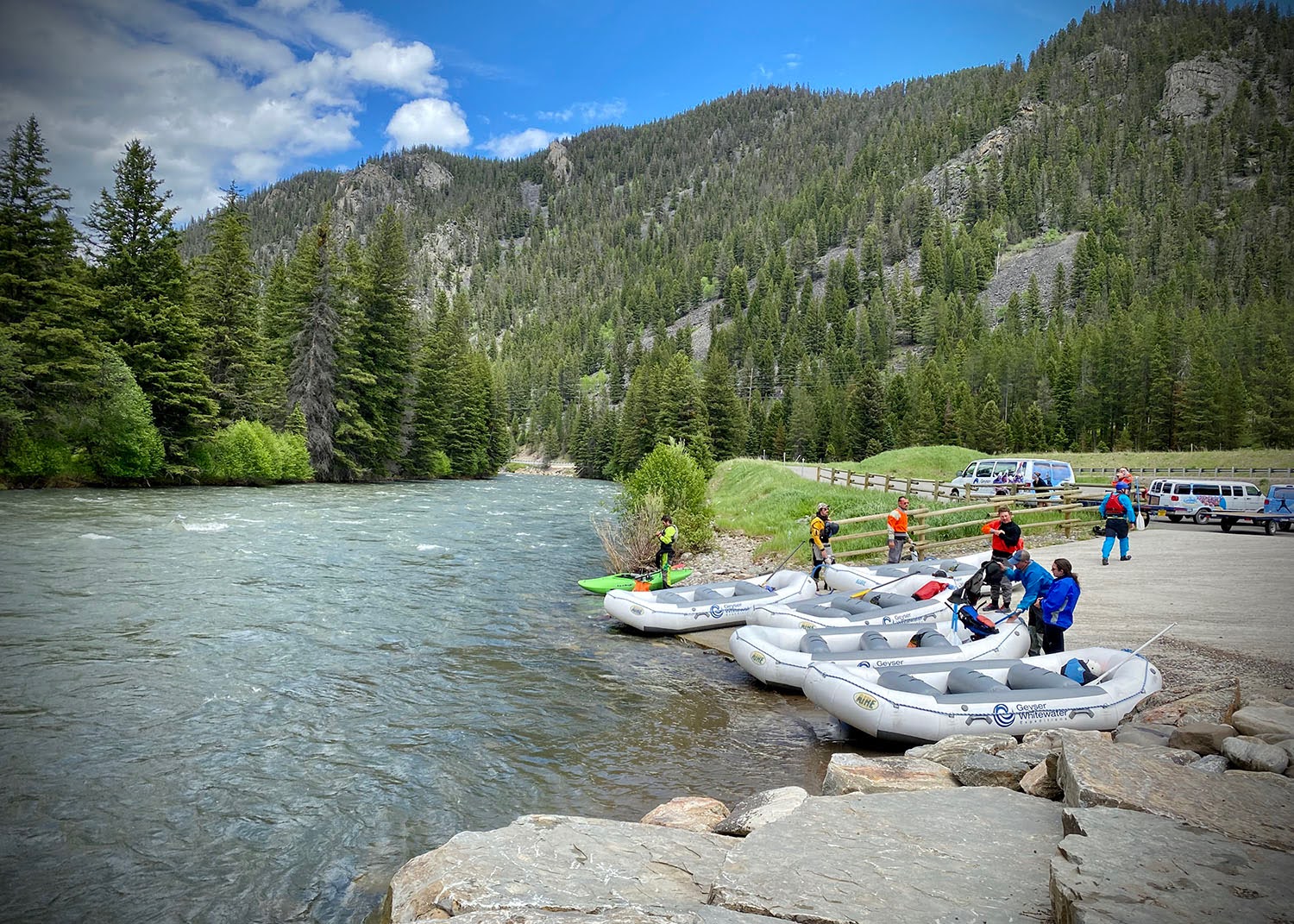
With projects already completed at Upper Deer Creek, Moose Creek, and Greek Creek, the next phase will include restoration at five additional sites between Yellowstone National Park Boundary and Taylor Fork in fall 2025, followed by five more sites in 2026. This phase alone will restore 15 acres of streamside habitat, with future work continuing north toward Spanish Creek near Bozeman. Science-based planning, community engagement, and sustained funding will remain the essential tools to drive this vision.
The strategy addresses the degradation caused by recreation and tourism through a comprehensive approach—combining sustainable access design, direct restoration of key areas, public education, and strategic partnerships. Together, these efforts fulfill the goals of the Custer Gallatin Land Management Plan and set the stage for a healthier future that serves both the river and its visitors.

These renderings of the planned restoration area along the Gallatin River shows native vegetation buffers, designated parking—to encourage river users to “stay on the trail”—and stabilized riverbanks designed to reduce erosion, improve water quality, and maintain public access. IMAGE COURTESY OF GRTF 
These renderings of the planned restoration area along the Gallatin River shows native vegetation buffers, designated parking—to encourage river users to “stay on the trail”—and stabilized riverbanks designed to reduce erosion, improve water quality, and maintain public access. IMAGE COURTESY OF GRTF
At the heart of this strategy is a shared vision: a healthy Gallatin that supports wildlife, recreation, ecological function, and the local economy. Achieving this vision requires community stewardship and respect for the river’s fragile balance. The long-term benefits of a well-executed, step-by-step approach are best captured in the metaphor: restoring one thread at a time will strengthen the whole fabric.
We invite you to be part of that fabric—supporting our vision for a healthy, sustained, and accessible Gallatin for generations to come.
To view the project map, and learn more, visit : https://gallatinrivertaskforce.org/interactive-river-map/#.
Emily O’Connor brings over a decade of experience in natural resource and nonprofit management to her role as the Gallatin River Task Force’s chief operating officer.