
By Abby Butler EBS COLUMNIST
At Grow Wild, we’re all about conserving our native landscape and promoting informed land stewardship. Since 2004, we’ve been proponents of educating and inspiring landowners to plant native plants and manage invasive species with the underlying knowledge that these benefits extend into the health of the surrounding ecosystem and community of recreators, homeowners and businesses it supports. With an early start to the wildfire season and ongoing drought conditions exacerbated by a lackluster winter, our sights are set on the next critical step for conserving Big Sky’s landscape—a community forester.
First, some context. One of the most important characteristics to a healthy forest, according to Dr. Joseph Orefine from the Yale School of the Environment, is its ability to either resist or adapt, or both, to natural and human-made stressors—also known as resilience. Stressors include extended periods of drought, severe fire events, disease or insect outbreaks or fragmentation caused by human development. When a forest ecosystem lacks resilience, these stressors have long-lasting and devastating impacts to plant and wildlife communities, nearby waterbodies and human health.

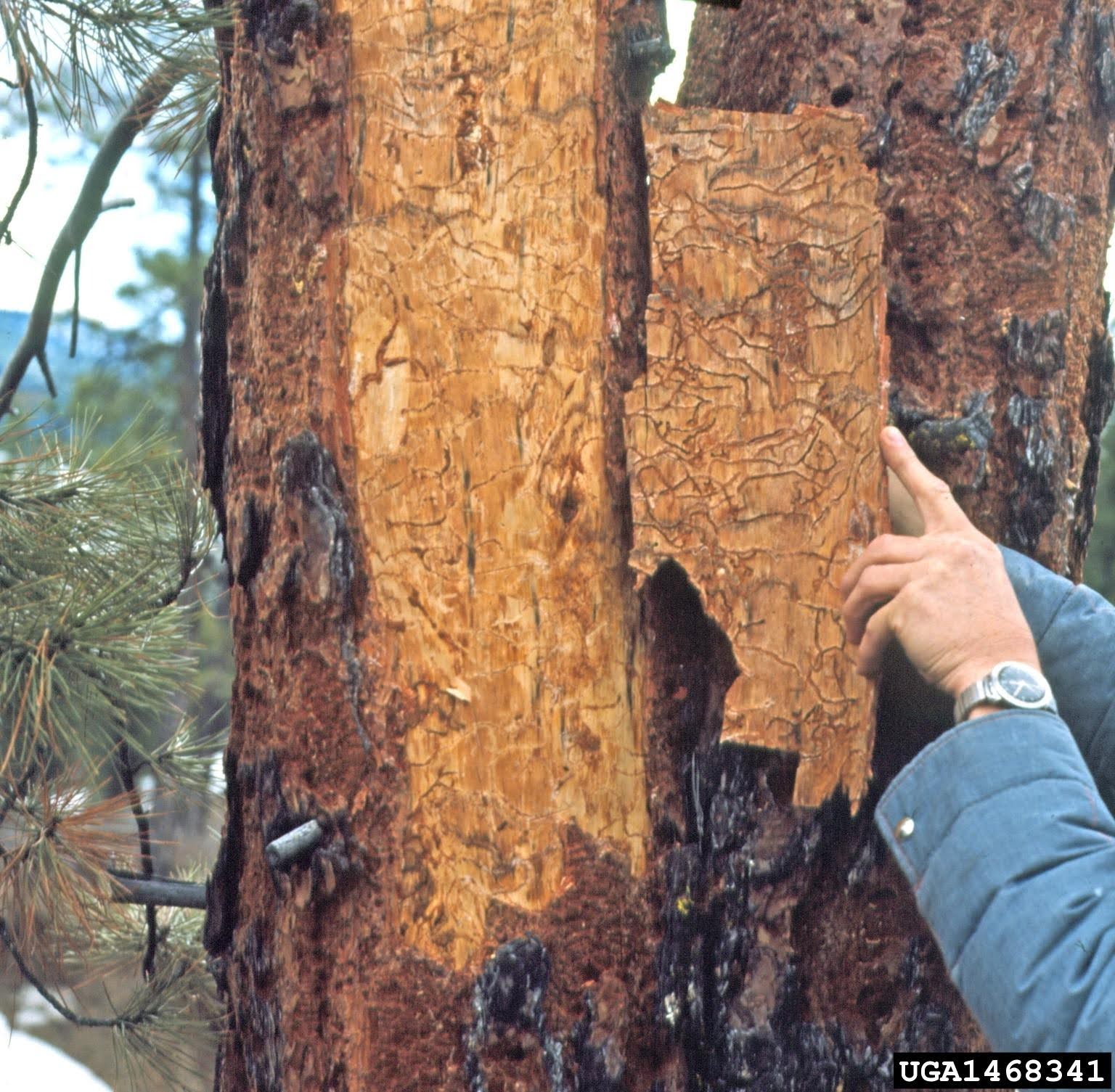
For example, mature trees stressed from drought conditions are easier targets for bark beetle infestations, especially in the western portion of the state. According to a 2024 report from the Montana Department of Natural Resources and Conservation, bark beetles and wood borers that typically aren’t “aggressive” are attacking trees impacted by ongoing drought. Plus, defoliators like spruce budworm are damaging and even killing trees.The forest we know today developed under wetter growing conditions and thus is struggling to survive in a drought-prone climate.
When forests struggle, so do rivers like the Gallatin. Diverse forests provide necessary ecosystem support—various trees, shrubs, forbs and grasses create natural erosion control which, according to the U.S. Fish and Wildlife Service, keeps extra sediment out of the river and ensures that wildlife like trout have clean water to reproduce in. This water-forest relationship also allows a thriving recreation economy to continue in Big Sky.
Restoration of these impacted environments takes expertise and time, and a community forester is a crucial piece to the puzzle, helping Big Sky understand and maintain healthy forest ecosystems.
Big Sky is at risk for severe wildfires and with it a loss of native biodiversity. According to California’s Department of Fish and Wildlife, large patches of high-severity fire can “hinder the ability of an ecosystem to recover”. This leads to the loss of native plant life and allows invasive species to expand. This doesn’t account for the immense risk wildfires pose to human life and personal property.
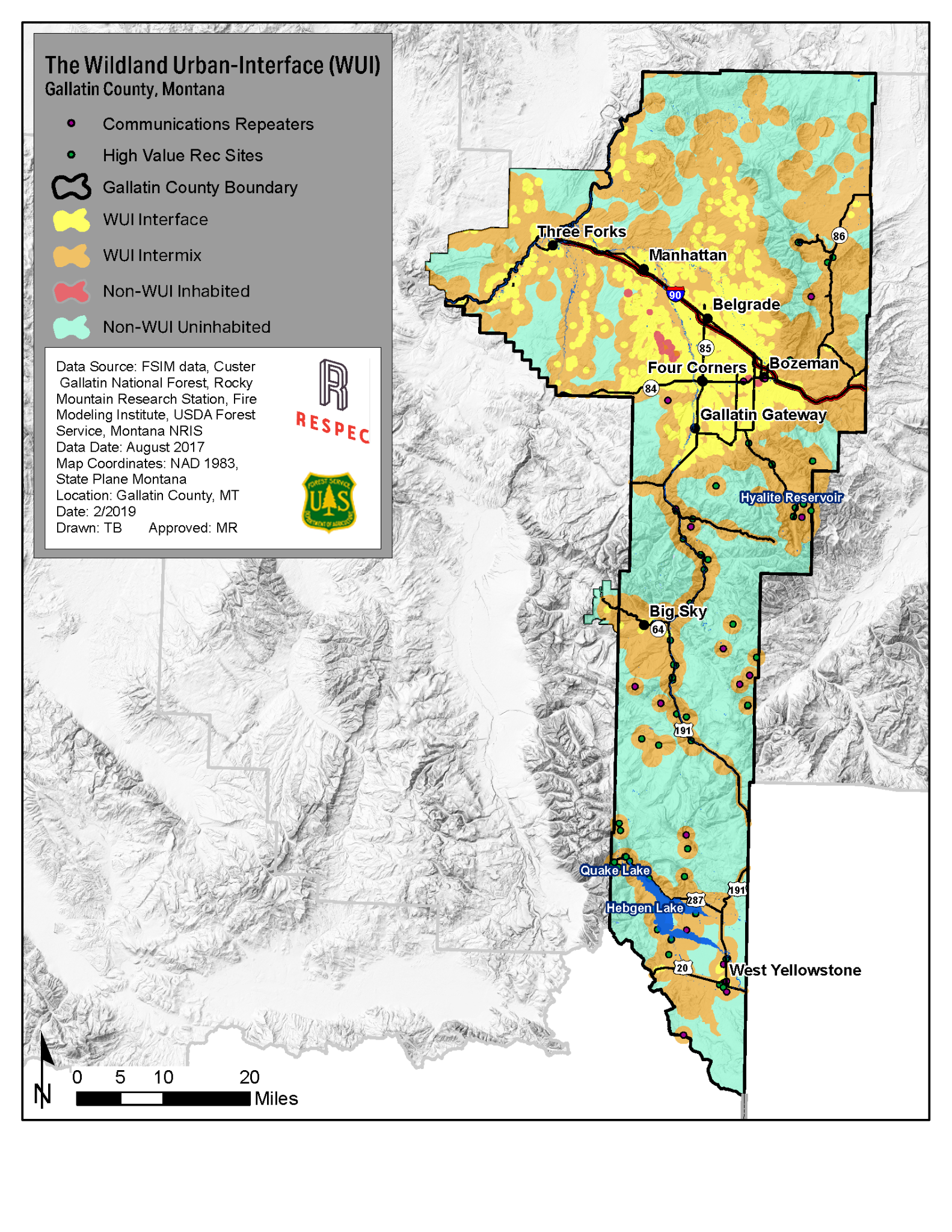
Looking at just Gallatin County, data from Gallatin County Emergency Management shows a cumulative 1,000,107 acres of land in the Wildland Urban Interface (WUI). Nationally, Montana is ranked second for the percentage of homes at risk of “catastrophic wildfire damage”, according to the Commissioner of Securities and Insurance.
Homeowners face risks to both their personal safety and their ability to afford to remain living and working in Montana. Skyrocketing homeowner insurance premiums or the inability to find coverage at all is an ongoing issue that many Montana legislators have begun trying to address. In the meantime, Montanans bear the weight of another wildfire season and the potential harm it may cause.
With the knowledge above at the forefront of our strategic planning, we and our partner the Big Sky Fire Department recognize a need for a coordinated, community-wide plan to address these stressors and guide Big Sky into a safer, more informed and more resilient community of landowners, agencies, and partners. We’ve drafted a preliminary Forest Stewardship Plan that outlines priorities for forest health, wildfire risk reduction and long-term stewardship. Guided by the professional expertise of qualified forestry consultants, we will refine this framework and clearly outline the role of a community forester. Proposed roles include educating landowners, assisting with forest and habitat health monitoring, wildfire risk reduction and climate and resilience planning.
As a community, supporting this initiative is a benefit to everyone—whether you own forested land or simply value the safety, beauty and future of this landscape and its inhabitants. You can play a part in this effort by learning about the threats facing Big Sky, whether that’s forest health or wildfire risk, and sharing that knowledge with your neighbors, colleagues and the leaders in your community. Opportunities to learn include utilizing the Fire Adapted Big Sky Wildfire Hub and Alpenscapes, the latter of which recently published a guidebook to share local landscape guidelines. Together, we can begin investing in a healthier and safer future for Big Sky.
Abby Butler is the conservation program coordinator at Grow Wild.