


Letter says state is not using all available data to make decisions
By Jordan Hansen DAILY MONTANAN
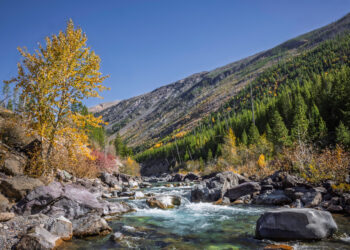
Upper Missouri Waterkeeper is again petitioning the Montana Department of Environmental Quality to list the Big Hole River as impaired in a letter submitted earlier this month.
The letter was submitted as a comment to the agency’s 2022-24 Draft Water Quality Integrated Report, which is a federally required process to determine where waterways are unhealthy and outline what’s being done about it.

While the Big Hole is not currently listed as “impaired,” other waterways in Montana are — about 11,000 miles of rivers and streams as well as 375,000 acres of lakes. Each of those rivers, streams or lakes has supporting documentation detailing why they’re considered impaired. Those problems can range from lack of clean drinking water to the health of fish living in the water.
“DEQ is actively reviewing and assessing mainstem Big Hole River data submitted by the petitioners. Some additional information requested from petitioners was received as recently as January 9,” DEQ spokesperson Madison McGeffers wrote in an email. “In addition, 2025 laboratory results from DEQ’s own monitoring were recently received and will be incorporated into the assessment after quality assurance checks are performed.”
In the letter, Waterkeeper says that the state isn’t using nutrient pollution and dissolved oxygen concentrations in their river assessments. Low oxygen levels can happen at night, which are sometimes caused by algae blooms. Most plants don’t photosynthesize and produce oxygen at night.
In the draft DEQ water report, oxygen concentrations are specifically addressed:
“DEQ also will not be including dissolved oxygen (DO) assessments during this Integrated Report. Upon initial implementation of a draft DO assessment method, DEQ identified many instances in which Montana’s DO standards do not fully account for natural variability in DO conditions, leading to potential impairment designations even in areas with little to no human influence.”
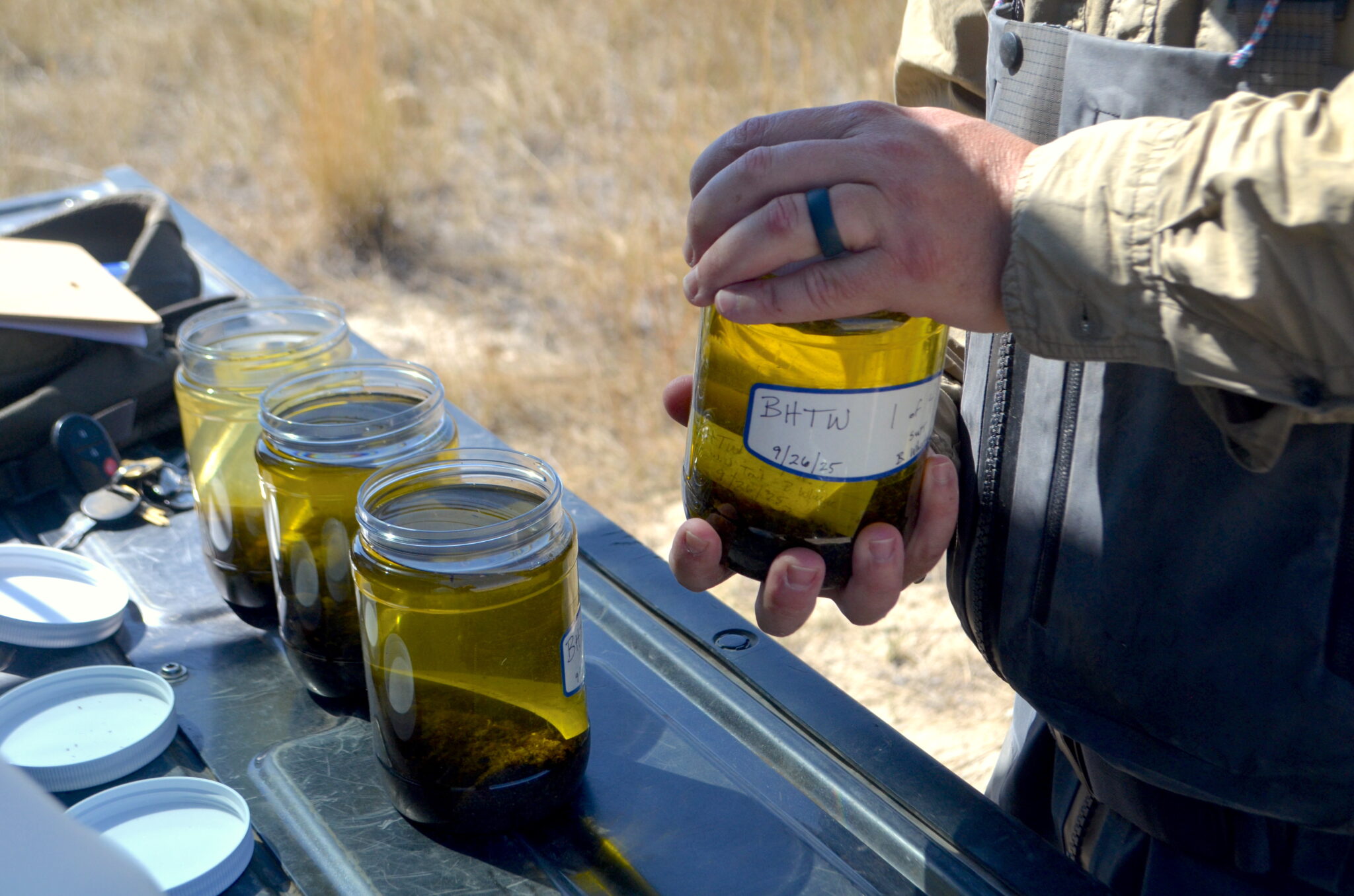
Waterkeeper and other organizations it has worked with have done extensive monitoring on the Big Hole River.
“Nothing is preventing local groups and residents from taking actions to address water quality issues in the Big Hole River watershed right now. The entire watershed is eligible for 319 funding (DEQ’s 2026 call for applications open through Feb. 20) to address nonpoint source pollution,” McGeffers wrote. “Thanks to previous monitoring and watershed restoration planning, DEQ and local partners have already identified nutrient issues in the greater Big Hole watershed and have a good understanding of pollution sources as well as the types of strategies that can be implemented to address them.”
Montana, following legislation passed in 2021, does not base nutrient assessments upon the numeric nutrient criteria, instead using what’s called “narrative standards,” which Waterkeeper says is less accurate. The Environmental Protection Agency rebuffed Montana’s use of narrative standards under the Biden administration, but it’s been implied this appears to have changed under the second Trump administration.
“We note the Department withheld publishing a draft 2022-24 Integrated Report until winter 2025/26, almost a full year after the 2024 field season and after EPA’s approval of Montana’s repeal of numeric nutrient standards,” the Waterkeeper letter reads.
The DEQ’s assessments also do not include assessments of excessive algal growth, nitrate and nitrite, total nitrogen, as well as total phosphorus, the draft report states.
“DEQ has a mandatory duty under federal law to identify unhealthy waters based on available data,” Guy Alsentzer, executive director of Upper Missouri Waterkeeper, said in a statement. “Instead of using existing, undisputed science to identify problems and initiate restoration planning for degraded waterways, the agency is pretending very real nutrient pollution problems don’t exist.”
The letter also states the agency’s actions on the Big Hole are “contrary” to the requirements of the Clean Water Act, saying it’s not assessing “nutrients and nutrient impairments.”
It goes on to say the Clean Water Act requires all currently available data be used.
“The Department’s refusal to assess our and others’ scientific evidence and make a determination of attainment or nonattainment in the Big Hole River — or any other river for which the Department possesses nutrient science — is unlawful, as it frustrates and undermines the purposes and intent of the CWA and Montana WQA, and citizens’ right to a clean and healthful environment under the state constitution,” the letter reads.