

By Jon Trapp GUEST COLUMNIST
With this year’s wildfire season seemingly behind us, it’s a good time to reflect on what we saw this year.
The fire season is largely dependent on fuel conditions; specifically, how dry the dead and live fuels are. 2025 was a fairly average year, with the exception of drier-than-usual fuel conditions in June and wetter-than-usual conditions in July. There were several small lightning-caused fires that were quickly extinguished. The biggest fire in our area was the West Fork Fire that started in August and grew to over 800 acres before it was fully contained. We were fortunate that wind conditions were favorable and pushed the fire away from structures in the area.

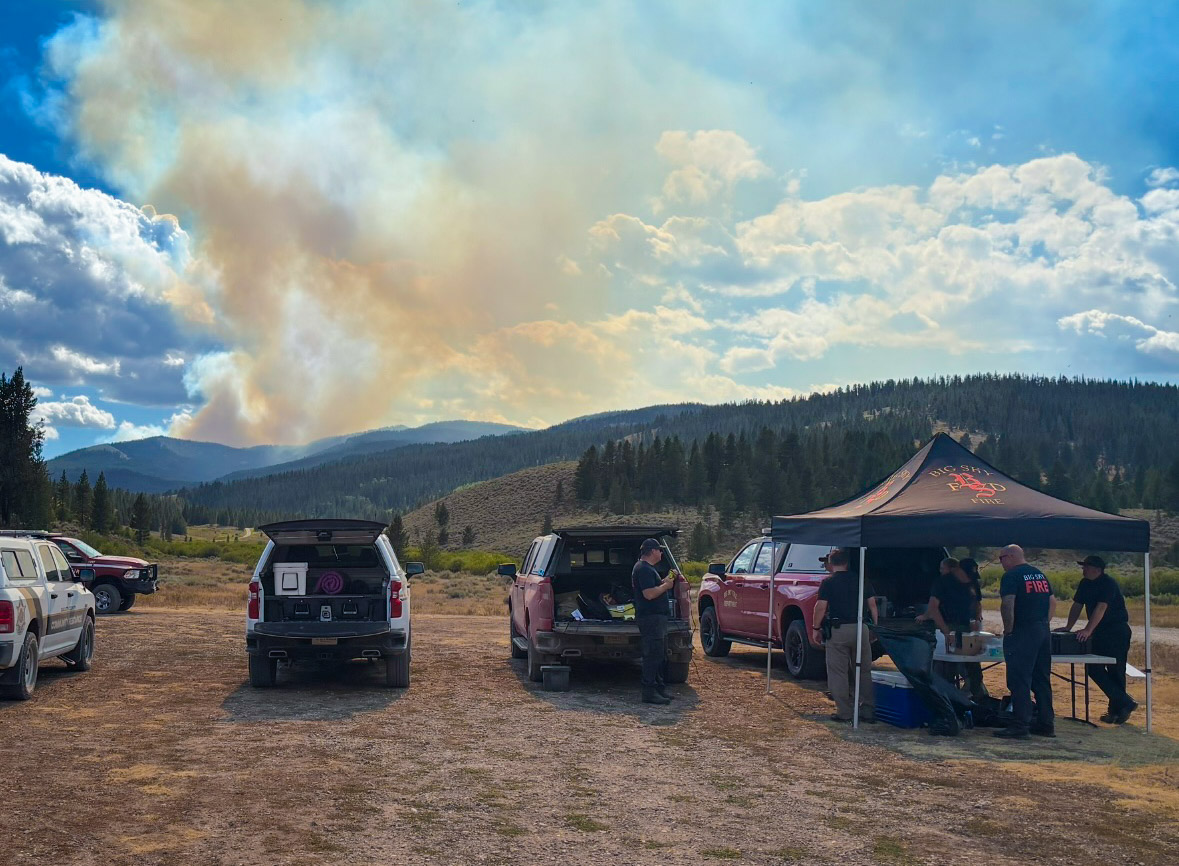
The West Fork Fire is a good example of how agencies like the U.S. Forest Service and the Big Sky Fire Department work together to control fires. Forest Service helicopters and smokejumpers teamed up with Big Sky firefighters to put in control lines and prepare structures for fire. In this case, there was time to set up sprinkler systems and remove fuels. However, this luxury often does not exist.
Nationally, we saw about 20,000 more wildfire incidents when compared to 2024. However, the total acres burned declined almost 3 million acres.
Now that we’re mostly “out of the woods” with the 2025 fire season, it’s time to start preparing for next summer. One thing you can do right away is to talk to your HOA board and ask what actions your subdivision is taking to reduce risk from wildfire.
Here are some questions to ask.
Do we have a line item in the annual budget specifically for wildfire mitigation? If you have forested common areas, has mitigation work been done there? Has the fire department been asked to provide a subdivision wildfire preparedness assessment? Does your HOA have a neighborhood ambassador? Who is it?
Individually, have you had a home wildfire risk assessment? Make sure you’ve registered for Everbridge to receive emergency alerts. Also, be sure to check out the Fire Adapted Big Sky Wildfire Hub for local online resources.
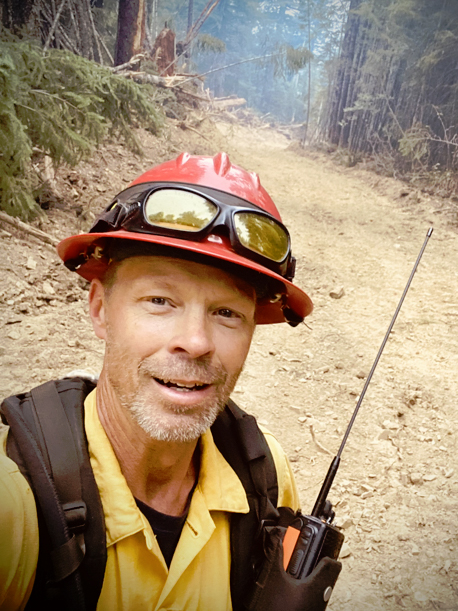
Jon R. Trapp is division chief of wildland fire for the Big Sky Fire Department.